

In a cloak of secrecy, the British Museum orchestrated a meticulously planned operation under the cover of darkness to receive one of the world’s most treasured medieval artefacts: the Bayeux Tapestry. This extraordinary loan marks a landmark cultural event, bringing the 11th-century embroidered masterpiece to the UK for the first time in centuries.
The Bayeux Tapestry: A Window Into Medieval History
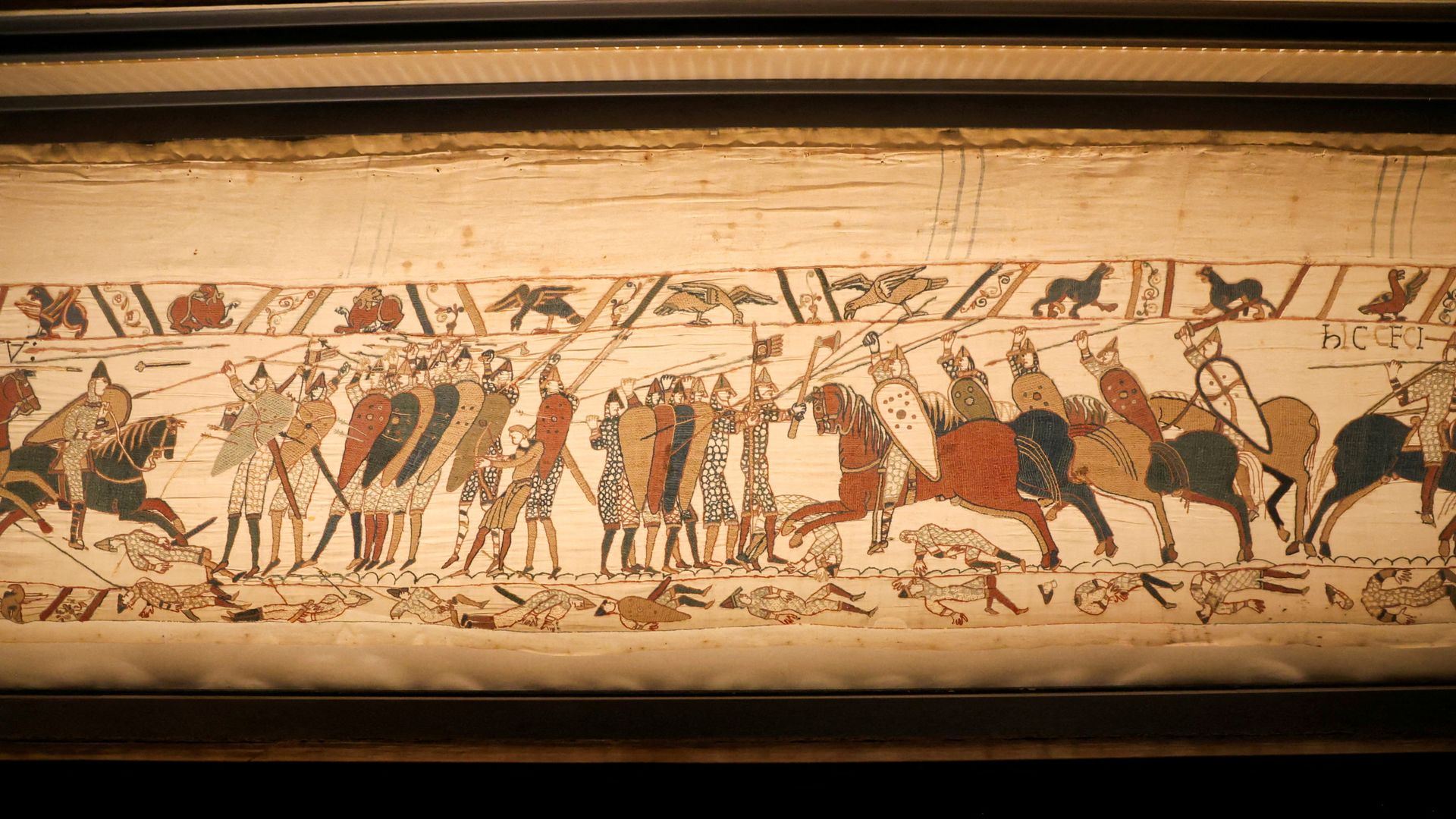
The Bayeux Tapestry is not merely a piece of cloth; it is a vivid narrative embroidered over 230 feet long, depicting the dramatic events leading up to the Norman Conquest of England in 1066. Crafted in the late 11th century, this remarkable artefact offers a rare visual chronicle of the pivotal Battle of Hastings and the political intrigue surrounding William the Conqueror’s invasion.
Commissioned by Bishop Odo, half-brother to William the Conqueror, the tapestry combines artistry with historical storytelling, embroidered with wool yarns on linen. Each scene captures moments of war, diplomacy, and everyday life, making it an invaluable resource for historians and enthusiasts alike. Its survival over nearly a millennium, despite wars and political upheavals, underscores its cultural and historical significance.
The Secretive Arrival and Its Significance
The recent arrival of the tapestry at the British Museum involved rigorous security measures and a tightly controlled schedule, underscoring the artefact’s immense value and fragility. Transported under strict conditions to ensure preservation, the tapestry’s journey from France to the UK is a testament to international cooperation in cultural heritage.
This loan is unprecedented. Traditionally housed at the Musée de la Tapisserie de Bayeux in Normandy, the tapestry rarely leaves French soil due to its delicate condition and national importance. Its presence in the UK represents a profound gesture of cultural diplomacy, reflecting shared heritage and historical ties between the two nations.
For British audiences, this is a once-in-a-lifetime opportunity to engage directly with a cornerstone of their history. The tapestry’s vivid illustrations bring to life a defining chapter in England’s medieval past, making history tangible beyond textbooks and digital screens.
Why This Loan Matters: Cultural Impact and Educational Value
The Bayeux Tapestry’s loan to the UK resonates far beyond the museum walls. It invites renewed scholarly examination and public interest in medieval history, Norman culture, and Anglo-French relations. Experts anticipate that viewing the tapestry in person will inspire new research avenues, exhibitions, and educational programs that deepen understanding of the Norman Conquest’s legacy.
Moreover, the event highlights the importance of international cultural exchanges in preserving and celebrating humanity’s shared past. By temporarily sharing this masterpiece, France and the UK reinforce the idea that heritage transcends borders, fostering mutual respect and collaboration.
For visitors, the tapestry offers a multidimensional experience: witnessing ancient craftsmanship, decoding historical narratives, and reflecting on how the past shapes modern identities. It serves as a powerful reminder of the enduring impact of history on contemporary society.
Looking Ahead: What This Means for Heritage and Scholarship
The Bayeux Tapestry’s presence in the UK is more than a historic loan; it is a catalyst for cultural engagement and historical reflection. As visitors marvel at the intricate embroidery and dramatic scenes, the tapestry reaffirms the vital role of artefacts in connecting us with our collective past.
This event sets a precedent for future collaborations between institutions, encouraging further loans and exchanges of priceless artefacts. It also reinforces the need for ongoing conservation efforts to protect such treasures for generations to come.
In an era where digital media dominates, the physical presence of the Bayeux Tapestry reminds us of the irreplaceable value of original historical objects. Its arrival in the UK invites everyone to witness a masterpiece that has shaped national narratives and continues to inspire awe nearly a thousand years later.
Full details about the exhibition schedule and public access remain forthcoming, but anticipation is already building for what promises to be a defining cultural moment.