

A controversial loyalist bonfire in Northern Ireland, notorious for displaying a replica of a mosque atop its towering flames, was deliberately set alight before authorities could intervene and dismantle the structure. This incident has reignited tensions surrounding cultural expression, sectarian symbolism, and public safety in a region still grappling with its complex historical divisions.
The Bonfire and Its Controversial Symbolism
Loyalist bonfires are a traditional part of Northern Ireland’s July 12th celebrations, marking the victory of Protestant King William of Orange over Catholic King James II at the Battle of the Boyne in 1690. These bonfires are often laden with political and sectarian symbols that reflect ongoing identity conflicts between Protestant unionists and Catholic nationalists.
In this instance, the bonfire drew widespread condemnation for featuring a detailed replica of a mosque perched on top. Critics argued that the mosque symbolized an offensive gesture towards Muslim communities, equating it with religious intolerance and promoting sectarian hostility. Supporters of the bonfire, however, claimed it was a form of free expression tied to local tradition and political identity.
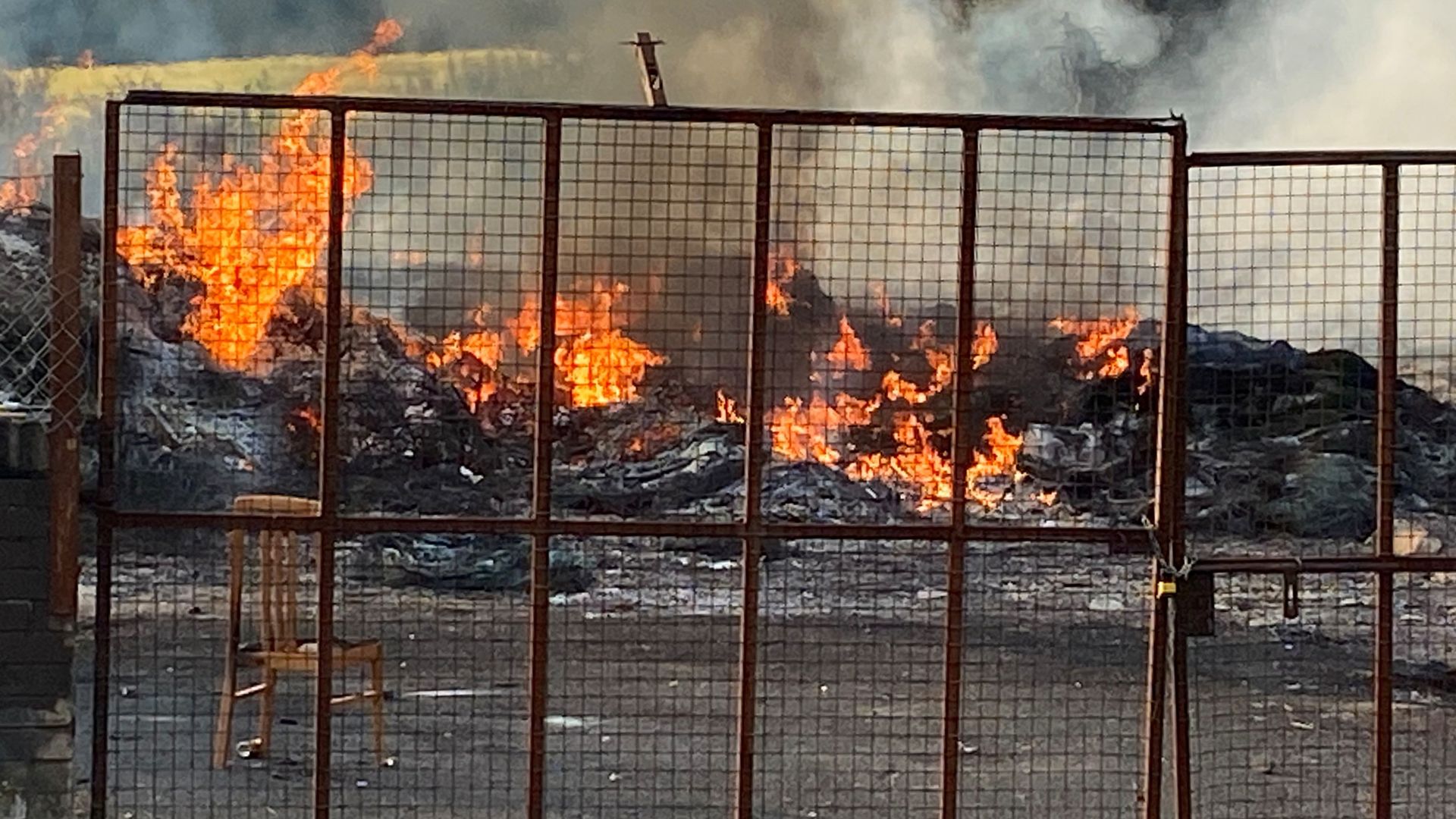
The replica mosque inflamed already heightened sensitivities in an area marked by religious and ethnic diversity, raising urgent questions about the limits of cultural practices when they intersect with respect for minority groups and community cohesion.
Police Intervention and Public Safety Concerns
Local law enforcement authorities, tasked with maintaining peace during the volatile summer marching season, announced plans to remove the bonfire before it could be ignited. Their concerns centered on public safety risks, potential escalation of sectarian violence, and the inflammatory nature of the symbols displayed.
Despite these efforts, the bonfire was set alight prematurely, complicating police attempts to control the situation. The deliberate ignition prior to removal intensified fears of unrest and the possibility of clashes between opposing community factions.
Police officials emphasized the difficulty of balancing respect for cultural traditions with the imperative to prevent hate crimes and maintain public order. They also noted the challenges in dismantling large-scale bonfires once construction is complete and the event draws significant local support.
Broader Implications: Why This Matters
The incident underscores the ongoing struggle in Northern Ireland to reconcile deeply ingrained historical identities with the need for inclusivity in an increasingly diverse society. Loyalist bonfires—while celebrated by many as cultural heritage—often serve as flashpoints that reflect unresolved sectarian grievances and territorial claims.
The presence of a mosque replica on the bonfire highlights the intersection of sectarianism not only between Protestant and Catholic communities but also involving ethnic and religious minorities such as Muslims. This adds a new layer of complexity to the region’s social fabric, challenging community leaders and policymakers to address rising intolerance.
Furthermore, the timing of the bonfire’s ignition ahead of police removal plans signals a potential shift in how such displays are managed and contested. It raises questions about the effectiveness of current policing strategies and the potential for more assertive measures to prevent provocative symbols from exacerbating tensions.
Community groups and political representatives may need to engage in renewed dialogue about the role of bonfires in public life, emphasizing respect, shared values, and peaceful coexistence. This approach could mitigate the risk of symbolic acts escalating into real-world conflicts.
Looking Ahead: Navigating Tradition and Tolerance
This episode serves as a stark reminder that cultural traditions, while vital to community identity, must evolve to reflect the realities of a pluralistic society. Northern Ireland’s journey toward lasting peace depends not only on political agreements but also on mutual understanding and respect among all its residents.
Authorities face the delicate task of enforcing laws and maintaining order without alienating communities or suppressing cultural expression. Meanwhile, civil society has a critical role in promoting dialogue and challenging sectarian narratives that fuel division.
As the summer marching season continues, the spotlight will remain on how local leaders and law enforcement navigate these contentious displays. The hope is for a future where celebrations unite rather than divide, and where symbols on bonfires inspire reflection instead of resentment.
Full details about the incident and any subsequent police actions have yet to be released.