

Few figures have reshaped an entire city’s creative landscape quite like Sir David Attenborough. His relentless passion for pioneering technology and storytelling has not only revolutionized natural history filmmaking but also forged a thriving wildlife production hub in Bristol. Over the past five decades, this southern English city has evolved into a global center for nature documentaries, earning the nickname “Green Hollywood.”
The Visionary Behind Bristol’s Wildlife Film Boom
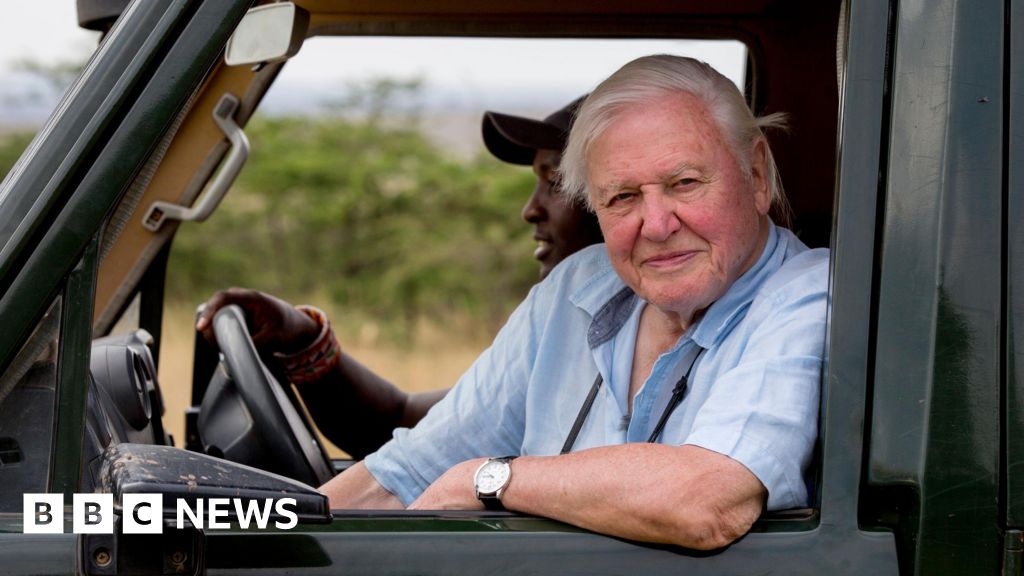
Sir David Attenborough’s influence extends far beyond his iconic narration. According to industry veteran Muir, Attenborough “loves new technology, he loves new camera kit, and he’s always pushed everyone to make the best, newest discoveries possible.” This drive for innovation has set an extraordinary standard in natural history filmmaking. Attenborough remains the only person to have won BAFTA awards across every major visual format, including black-and-white, colour, HD, 3D, and 4K. This unique achievement underscores his adaptability and commitment to pushing the boundaries of visual storytelling.
His groundbreaking work inspired a local ecosystem of interconnected companies and specialists who continue to elevate the craft. Bristol’s wildlife sector is now a finely tuned machine, covering every stage of production from initial filming in remote wildernesses to expert post-production work.
Bristol’s World-Class Wildlife Production Ecosystem
Over 50 years, Bristol has cultivated a full spectrum of skills essential to producing award-winning natural history content. This includes filming, editing, sound design, and highly specialized post-production processes. Industry expert Scholey highlights Bristol’s unique capabilities: “We have people who can colour-grade a natural history film better than anywhere else in the world, people who can track-lay wildlife sound, edit animal sequences, they don’t exist anywhere else in the world.”
These technical proficiencies have made Bristol an indispensable hub for wildlife filmmakers. The city’s studios and post-production houses handle everything from the delicate enhancement of natural light and colour to the intricate layering of authentic wildlife sounds. This expertise ensures that each documentary delivers an immersive, visually stunning experience that transports viewers directly into the animal kingdom.
The BBC Natural History Unit (NHU), based in Bristol, stands at the heart of this ecosystem. It has long been a global leader in nature programming, producing landmark series such as Planet Earth, Blue Planet, and Our Planet. The NHU’s presence attracts and nurtures a cluster of about 15 wildlife production companies, creating a dynamic industry network.
Economic and Cultural Impact on Bristol
Though Sir David Attenborough has never lived in Bristol, his legacy permeates the city’s cultural and economic fabric. The wildlife production sector now employs approximately 1,000 people locally. The University of the West of England estimates that this sector contributes around £100 million annually, accounting for roughly one-third of Bristol’s entire television industry.
This concentration of talent and resources has positioned Bristol as a magnet for creative professionals passionate about wildlife storytelling. The city’s reputation draws filmmakers, editors, sound engineers, and technical innovators from across the globe, all eager to collaborate on pioneering projects.
Attenborough’s influence also extends into education and community identity. Local universities and training programs tailor courses to support careers in natural history filmmaking, ensuring the next generation of storytellers carries forward the high standards he championed. Many residents express pride in having “a bit of David in all of us,” reflecting the deep cultural imprint he has left.
Why This Matters
Bristol’s transformation under Sir David Attenborough’s inspiration illustrates how visionary leadership and technological innovation can create a thriving creative industry. The city’s specialized wildlife production ecosystem not only produces stunning documentaries that raise global awareness about environmental issues but also fuels an important segment of the local economy.
As the world faces escalating ecological challenges, Bristol’s role as a hub for compelling natural history storytelling becomes increasingly vital. The city nurtures the talent and tools required to craft narratives that inspire conservation and deepen humanity’s connection with nature.
Looking ahead, Bristol’s growing wildlife filmmaking industry stands as a model of how cultural heritage, cutting-edge technology, and economic vitality can intertwine. The legacy of Sir David Attenborough continues to shape the city, ensuring it remains at the forefront of natural history storytelling for generations to come.