From watching the Apollo launches as a child to guiding NASA’s Artemis II spacecraft through the vastness of space, Kathleen Harmon has become an indispensable figure in NASA’s quest to return humans to the Moon. As the Artemis II Mission Interface Manager for NASA’s Deep Space Network (DSN), Harmon ensures that every signal sent to and from spacecraft millions of miles away is flawlessly maintained, making her role critical to the success of deep space exploration.
The Backbone of Deep Space Communication: NASA’s Deep Space Network
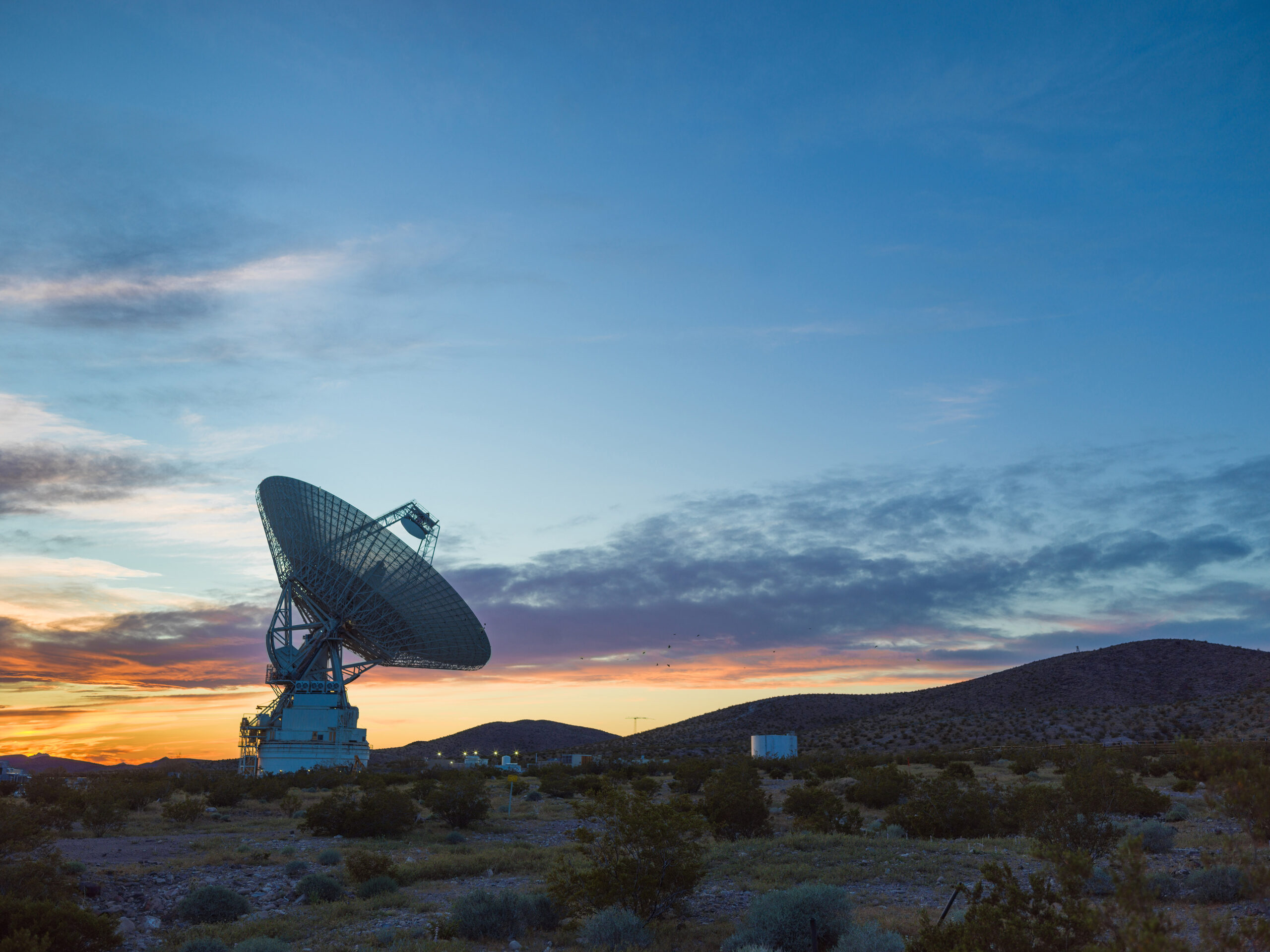
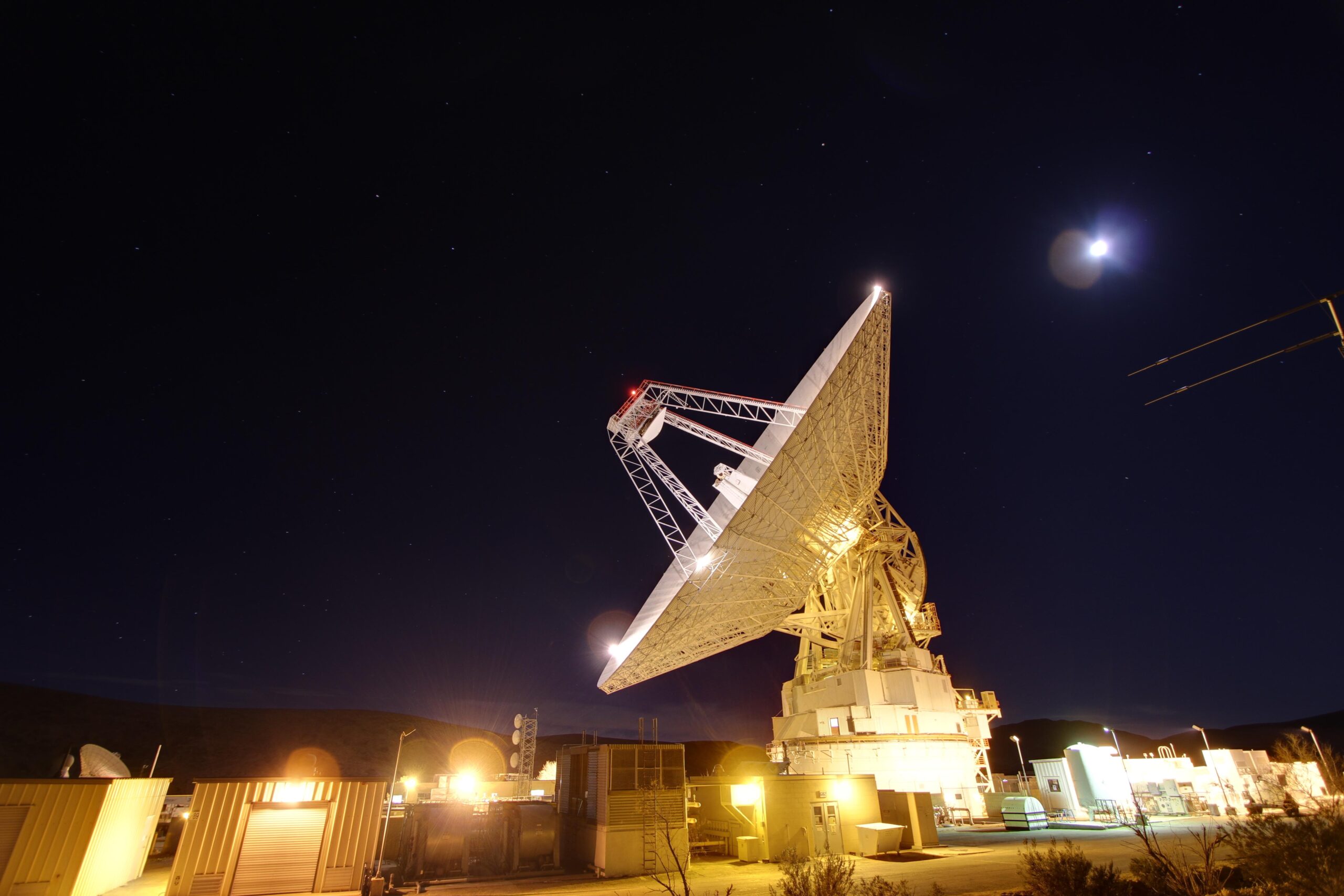
The Deep Space Network stands as the world’s largest and most sophisticated scientific telecommunications system. Managed by NASA’s Jet Propulsion Laboratory (JPL) in Southern California, the DSN operates an international network of massive radio antennas strategically positioned across the globe. These antennas provide continuous communication links to more than 40 active missions exploring the far reaches of the solar system and beyond.
“Imagine driving without GPS or a cellphone—you could easily get lost or be unable to ask for help,” Harmon explains. “The Deep Space Network serves as that vital lifeline for spacecraft, enabling them to ‘talk’ to Earth. It sends back invaluable science data, breathtaking images, and videos from Mars rovers, space telescopes, orbiters, and other robotic explorers.”
The DSN’s infrastructure consists of three complexes spaced nearly 120 degrees apart in California, Spain, and Australia. This global arrangement allows continuous coverage as Earth rotates, ensuring spacecraft remain within communication range at all times.
“At any moment, the complex in daylight is ‘in control’ of the network in what we call a ‘follow the Sun’ approach,” Harmon adds. This operational strategy guarantees seamless connectivity, a critical factor when managing missions that venture deep into space.

Kathleen Harmon: Coordinating Artemis II’s Lifeline to Earth
Harmon’s role as mission interface manager involves meticulous preparation and coordination before launch and throughout the mission. She acts as the liaison between the Artemis II spacecraft and the Deep Space Network, ensuring that the network’s antennas are fully ready to support communication needs 24/7.
“For Artemis II, we had two antennas dedicated around the clock—a prime and a backup—to maintain continuous contact,” Harmon shares. This redundancy is crucial to prevent any loss of communication during critical mission phases.
Her job demands seamless collaboration with international partners, as the DSN antennas are distributed worldwide. Harmon’s expertise as a systems engineer, combined with decades of experience at NASA, enables her to orchestrate complex communication schedules involving multiple spacecraft simultaneously.
While Artemis II represents a major focus, the DSN also supports robotic missions like Juno orbiting Jupiter and the iconic Voyager probes now journeying through interstellar space. Harmon’s work ensures that NASA’s fleet remains connected to Earth, whether orbiting the Moon, exploring Mars, or traveling beyond.
Why Kathleen Harmon’s Work Matters for Artemis and Beyond
Kathleen Harmon’s connection to space exploration runs deep. “Apollo was my earliest memory,” she reflects, recalling the childhood fascination that sparked her career at NASA. Her current role brings that inspiration full circle, as she now facilitates humanity’s return to lunar exploration through the Artemis program.
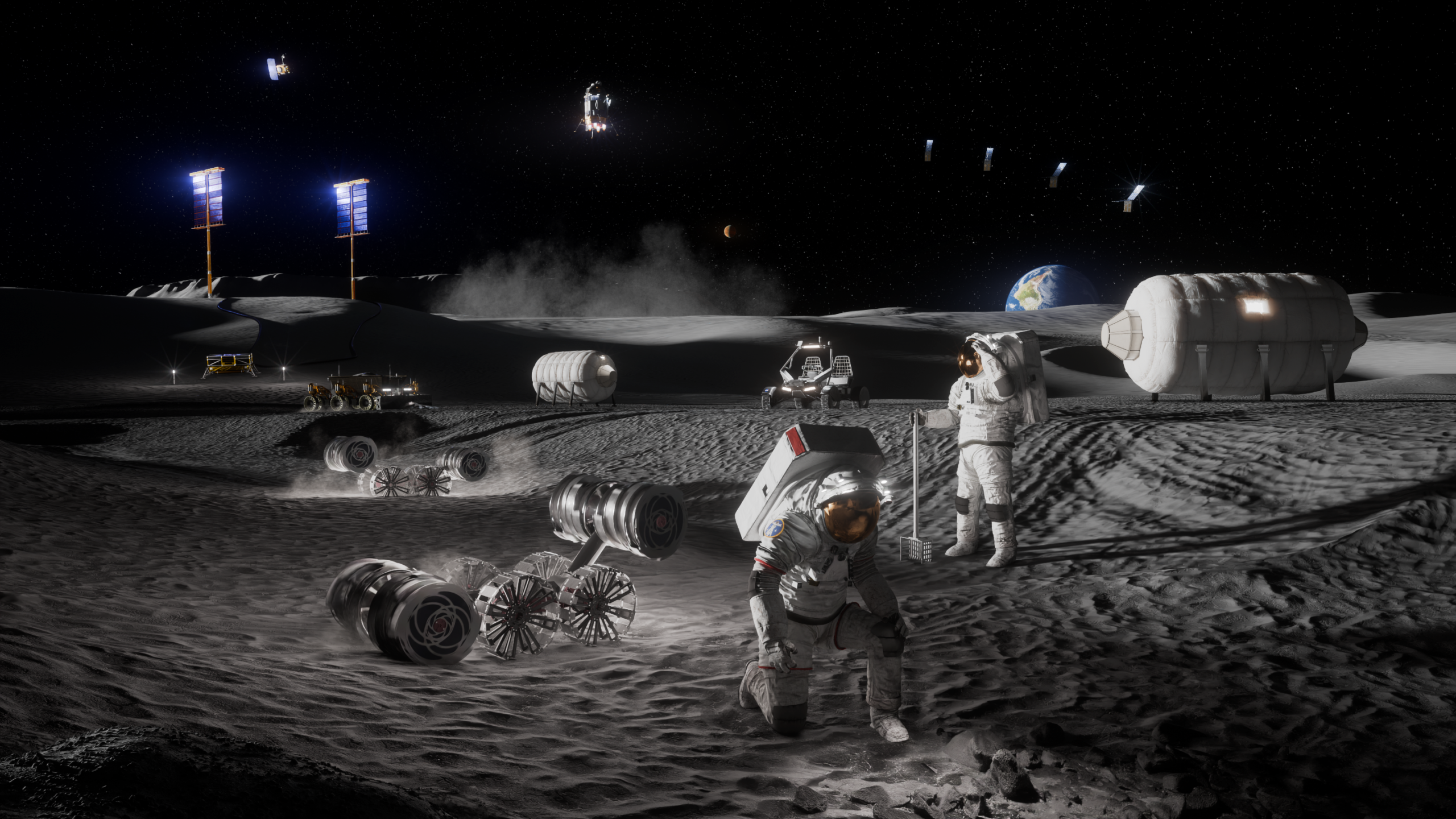
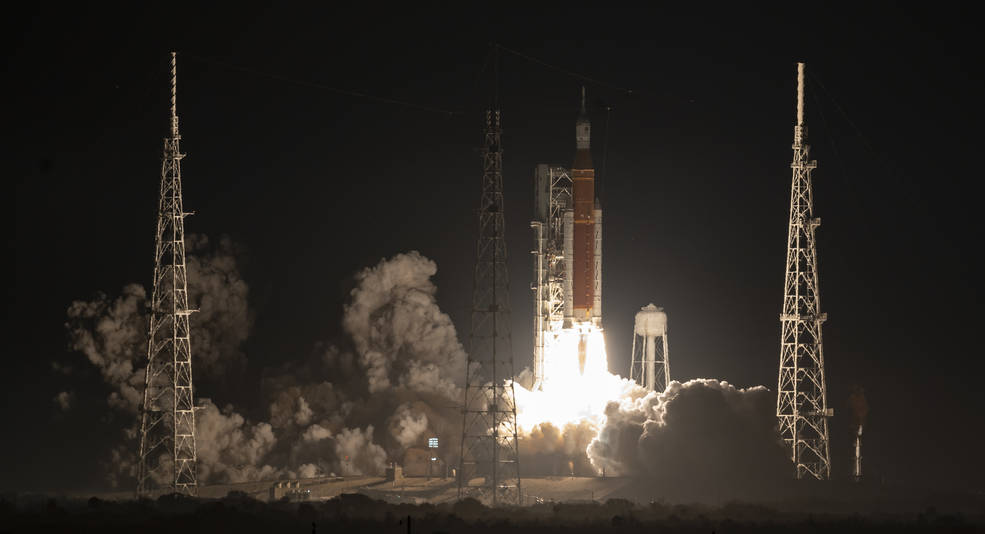
The Artemis missions aim to establish a sustainable human presence on the Moon, paving the way for future crewed missions to Mars and deeper into the solar system. Reliable communication, enabled by Harmon and the Deep Space Network, remains a cornerstone of these ambitions.
As NASA pushes the boundaries of space exploration, the importance of a robust, global communication system cannot be overstated. Without the DSN’s constant vigilance, spacecraft would be isolated in the cosmos, unable to transmit critical scientific findings or receive real-time commands.
Harmon’s dedication highlights the intricate human effort behind every mission—an effort that blends advanced engineering, global teamwork, and unwavering commitment to exploration.
Looking Ahead: The Future of Deep Space Connectivity
As Artemis II and subsequent missions venture farther into the solar system, the Deep Space Network will continue to evolve. Enhancements in antenna technology, signal processing, and international cooperation will expand NASA’s ability to maintain uninterrupted contact with crewed and robotic explorers alike.
Kathleen Harmon’s role exemplifies how specialized expertise ensures these advancements translate into mission success. Her leadership in coordinating the Artemis II mission interface lays the groundwork for humanity’s next giant leaps.
In the vast silence of space, Harmon and the Deep Space Network provide the essential voice that keeps explorers connected to home. Their work empowers humanity’s enduring quest to explore the unknown and unlock the secrets of the cosmos.