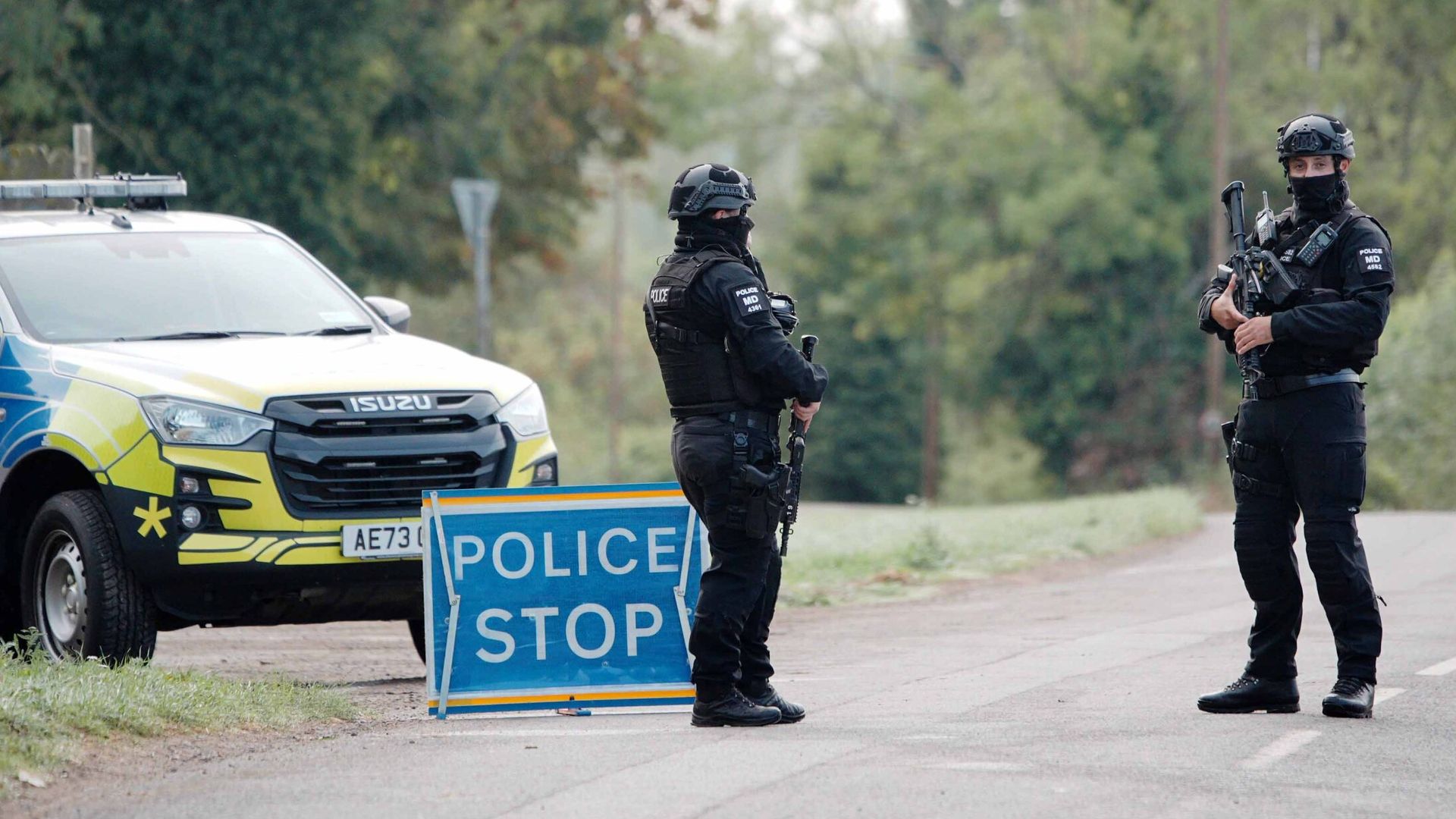
The high-profile trial involving two prisoners accused of murdering former Lostprophets frontman Ian Watkins abruptly collapsed as the jury was officially discharged for legal reasons. This unexpected development halts proceedings in a case that has drawn significant public and media attention due to Watkins’ notorious criminal history and the severity of the charges.
Background: The Accused and Charges
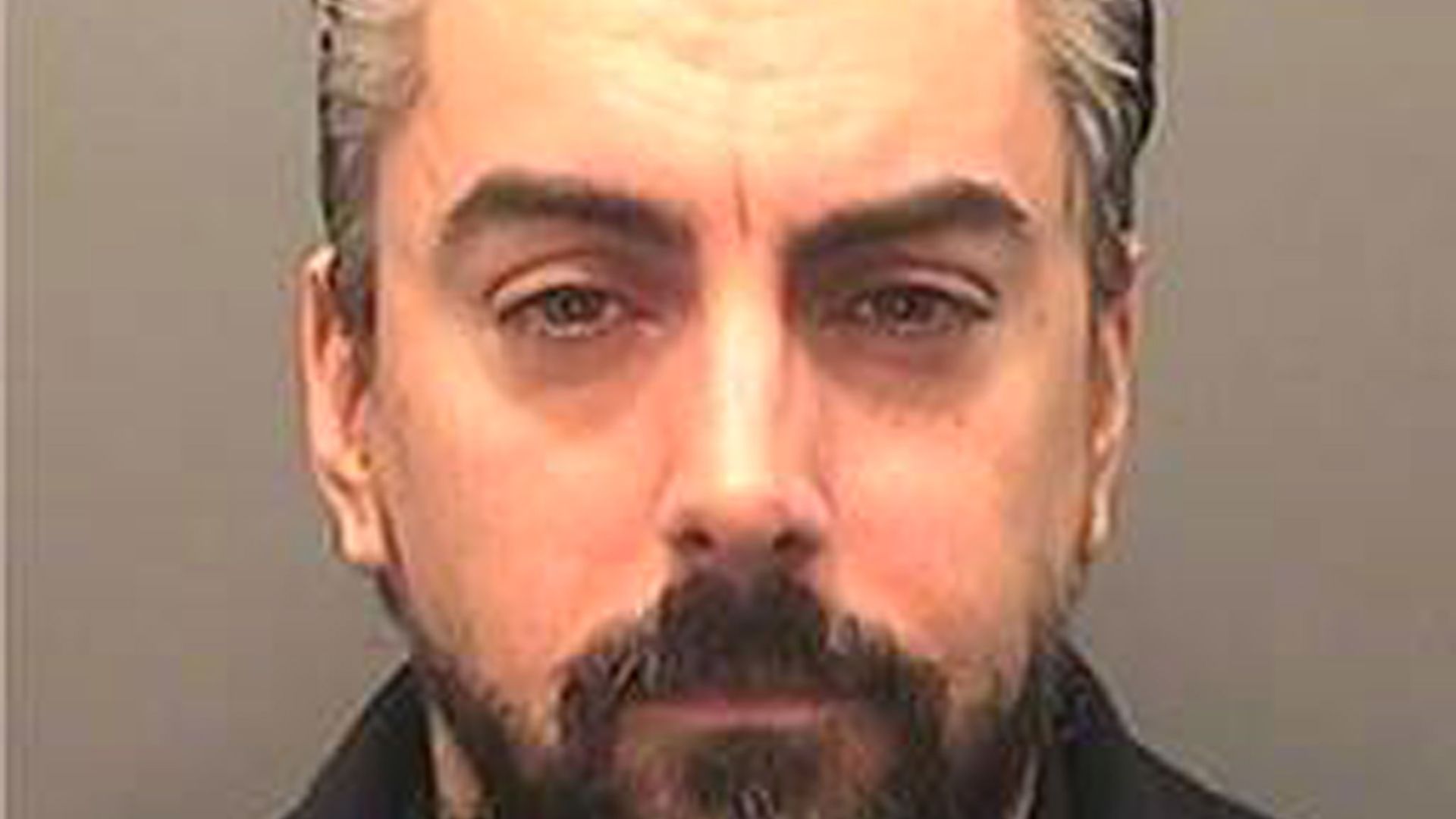
Ian Watkins, once the lead singer of the Welsh rock band Lostprophets, was convicted and imprisoned for multiple heinous offenses related to child sexual abuse. His notoriety stems not only from his musical career but also from the gravity of his crimes, making any allegations involving him highly sensitive and widely reported.
The current trial centers on two inmates charged with orchestrating and carrying out Watkins’ murder while he was in prison. Such an accusation underscores the dangerous environment within correctional facilities and highlights the potential for inmate violence, especially against high-profile offenders.
What Happened: Why the Trial Collapsed
The jury tasked with determining the fate of the two prisoners was discharged due to undisclosed legal reasons. While the exact cause has not been publicly detailed, jury discharge typically follows procedural complications, juror misconduct, or the emergence of new evidence that undermines the fairness of the trial.
This development means the current trial cannot proceed with the same jury, effectively halting the judicial process until the issues are rectified. The court may consider scheduling a retrial, but that decision depends on numerous factors including legal counsel strategies and judicial rulings.
Implications: What This Means for the Justice System
The collapse of this trial reveals the complexities involved in prosecuting crimes within the prison system, particularly when the accused are already incarcerated. It also raises questions about the security measures in place to protect vulnerable inmates, including those convicted of particularly reviled offenses.
Furthermore, the case illustrates the challenges courts face in maintaining impartiality and due process, especially in emotionally charged cases involving notorious figures. Ensuring a fair trial while managing external pressures remains a delicate balance for the judicial system.
The discharged jury also delays justice for all parties involved—the victims, the accused, and the broader community seeking closure. Such interruptions can prolong legal uncertainty and strain resources.
Next Steps and What to Watch For
Legal experts anticipate that the prosecution will seek to address the issues that led to the jury’s discharge before attempting to restart proceedings. This may involve selecting a new jury or resolving procedural concerns raised during the initial trial phase.
Observers and stakeholders will closely monitor whether the case moves forward and how the court manages the sensitive dynamics surrounding Watkins’ status as a convicted pedophile and the accused prisoners’ rights.
Beyond this specific trial, the case spotlights ongoing debates about prison safety, inmate management, and the administration of justice in cases involving high-profile and controversial defendants.
Conclusion: The Broader Significance
The collapse of the murder trial of two prisoners accused of killing Ian Watkins marks a significant moment in the intersection of criminal justice and prison security. While the legal process faces setbacks, the underlying issues of inmate violence and fair trial guarantees persist as critical challenges.
As the justice system recalibrates, the public awaits clarity on the future of this case and how authorities will safeguard both the rights and safety of all individuals involved. The outcome will serve as a precedent for handling similarly complex cases in the correctional environment.