

Pet goldfish released unlawfully into a lake near Cambridge are jeopardizing the survival of a protected native fish species, the Environment Agency has revealed. This reckless act threatens to undo years of conservation efforts aimed at preserving the unique population of crucian carp in Milton Country Park.
The Threat to Native Fish: What Happened at Milton Country Park?
Milton Country Park, located just outside Cambridge, is home to several ponds carefully managed to support native wildlife. One pond in particular, known as Halls Pool, has been developed by the Environment Agency into a sanctuary for crucian carp, a species legally protected in the UK due to its declining numbers.
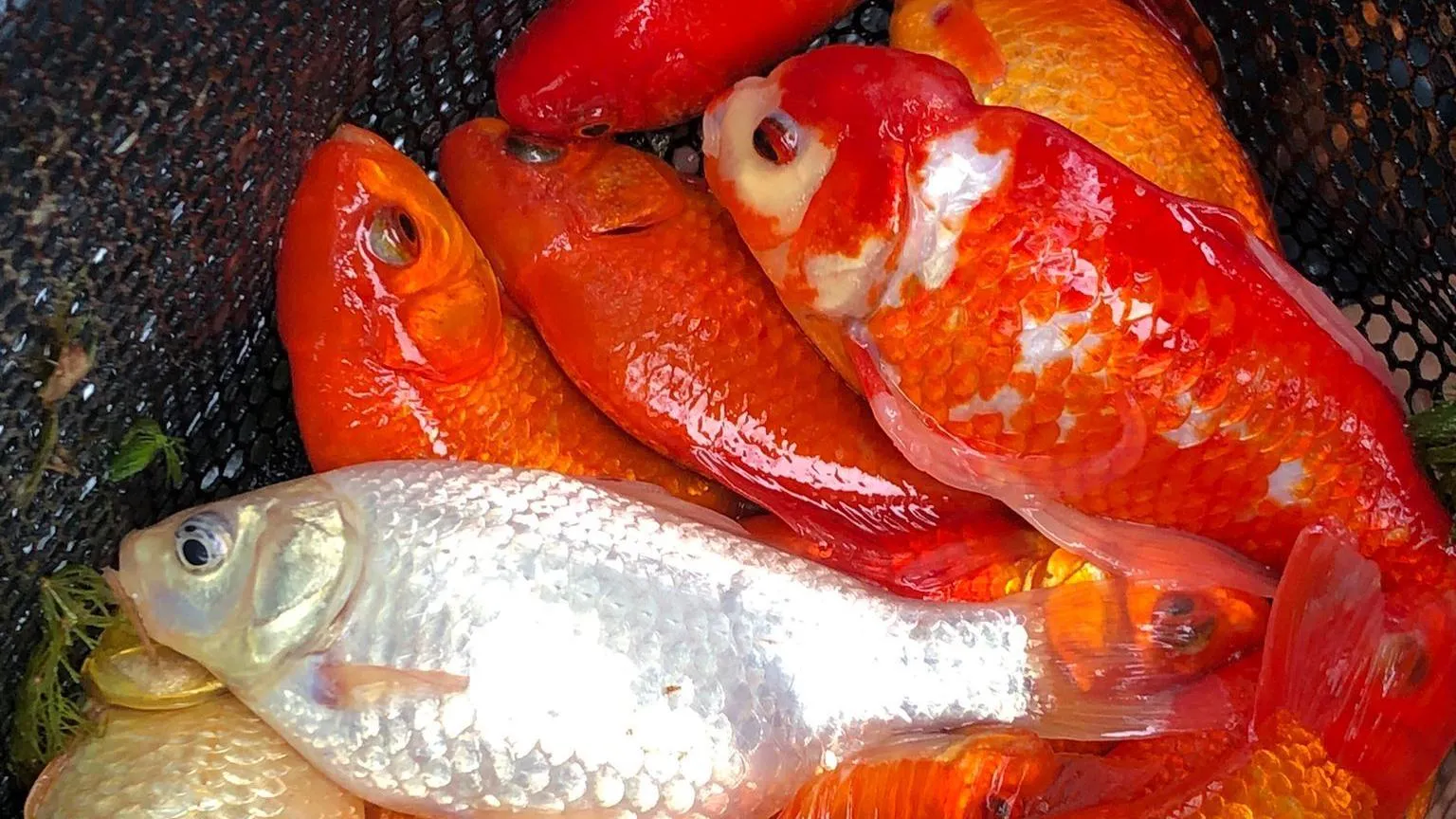
Recently, the agency discovered that approximately 20 pet goldfish had been dumped into Halls Pool. These non-native fish introduce significant risks to the delicate ecosystem. The Environment Agency explained that the presence of goldfish endangers the entire stock of crucian carp by exposing them to potential diseases, viral infections, and genetic contamination.
“It puts the entire population of crucians at risk from hybridisation and loss of their unique DNA structure,” the agency stated on their official Facebook page. This hybridisation could permanently alter the genetic integrity of the native carp, potentially erasing the distinct characteristics that define the species in this lake.
Conservation Efforts and Ongoing Response
The Environment Agency has been actively working with Milton Country Park staff to protect and expand the population of crucian carp. The carp have thrived in the lake’s weedy environment, allowing conservationists to trap several hundred individuals and successfully relocate them to a nearby lake. This effort aims to establish a secondary, genetically pure population, safeguarding the species from localized threats.
Following the discovery of the goldfish, agency personnel have captured 15 of the invasive fish, while a local child also caught one. Officials are now focused on locating and removing the remaining four goldfish to prevent any further impact on the native carp.
The removal is critical because even a small number of goldfish can reproduce rapidly, increasing the danger of genetic dilution and disease transmission. The agency warned that failure to eradicate all goldfish could result in the permanent loss of the Halls Pool population of true crucian carp.

Why This Matters: Protecting Biodiversity and Native Species
The situation at Milton Country Park highlights a broader environmental challenge: the unintended consequences of releasing non-native species into natural habitats. Goldfish, while common as pets, are invasive when introduced into wild ecosystems. They compete with native species for resources, disrupt habitat conditions, and can introduce harmful pathogens.
Crucian carp hold ecological significance as a native species that supports the health of freshwater habitats. Their survival depends on maintaining genetic purity and stable environmental conditions. The loss or alteration of this population would not only affect biodiversity but also compromise ongoing conservation projects designed to restore native fish stocks.
Moreover, this case underscores the importance of public awareness and responsible pet ownership. Releasing unwanted pets into the wild can cause irreversible damage to local ecosystems and undermine conservation successes achieved through dedicated efforts.
Looking Ahead: The Road to Recovery
The Environment Agency and Milton Country Park staff remain committed to restoring Halls Pool as a safe haven for crucian carp. Their immediate priority is the complete removal of the invasive goldfish, followed by monitoring the lake’s ecosystem to ensure the native carp population recovers fully.
Public cooperation will be vital to preventing similar incidents in the future. Educating communities about the dangers of releasing non-native species and promoting responsible pet disposal methods can help protect the UK’s precious native wildlife.
Ultimately, the fate of the crucian carp in Milton Country Park serves as a poignant reminder of how fragile native ecosystems can be and how quickly human actions—even well-intentioned ones—can tip the balance.