The rise of industrial poultry farming has triggered a dramatic explosion in harmful bacteria linked to food poisoning, with scientific research revealing an alarming 100-fold increase in its prevalence. This surge highlights significant public health concerns tied to modern agricultural practices and underscores the urgent need for improved food safety measures.
The Scientific Findings Behind the Bacterial Boom
Researchers investigating the impact of large-scale poultry farming discovered that the bacterium responsible for many food poisoning cases has proliferated extensively due to industrial farming conditions. Unlike traditional, small-scale poultry operations, intensive farming environments provide ideal conditions for bacteria to multiply rapidly.
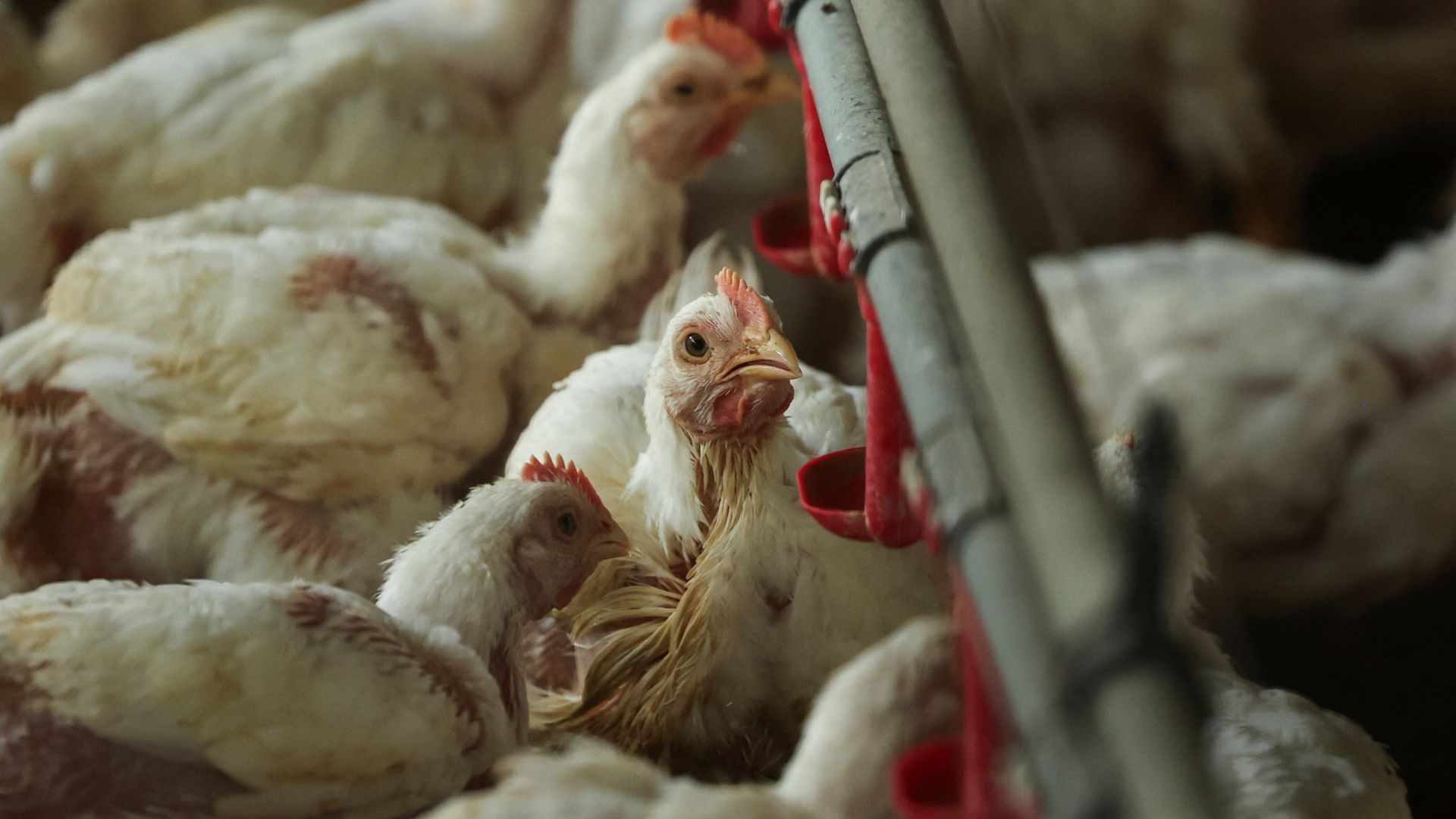
This bacterium, commonly associated with severe gastrointestinal illness, thrives in the crowded, high-density settings typical of industrial poultry farms. The research indicates that these environments facilitate bacterial spread far beyond levels seen in less intensive farming methods, resulting in a staggering increase — over 100 times more bacteria than previously recorded in natural or small-scale poultry settings.
Industrial poultry farming often involves thousands of birds housed in confined spaces, which can accelerate the transmission of pathogens. Additionally, the use of antibiotics and other chemicals in some farms may contribute to bacterial resistance, exacerbating the problem by allowing bacteria to survive and multiply despite intervention efforts.
Why This Surge in Bacteria Matters
Food poisoning caused by this bacterium leads to symptoms ranging from mild stomach discomfort to severe dehydration and hospitalization, particularly affecting vulnerable populations such as children, the elderly, and immunocompromised individuals. The dramatic increase in bacterial contamination raises concerns about the safety of poultry products entering the consumer market.
With poultry being a staple protein source worldwide, the implications of such a sharp rise in foodborne pathogens are profound. Contaminated poultry products can lead to widespread outbreaks, putting significant strain on healthcare systems and impacting public health on a large scale. Moreover, these bacteria can contaminate other food products and surfaces, increasing the overall risk of infection.
The findings also shed light on the broader environmental and economic consequences of industrial agriculture. Beyond public health, the proliferation of harmful bacteria can lead to increased costs related to food recalls, healthcare, and loss of consumer confidence in poultry products.
Addressing the Challenge: What Comes Next?
Confronting the bacterial surge demands comprehensive strategies that target both farming practices and food safety protocols. Experts recommend adopting more sustainable and hygienic farming methods that reduce overcrowding and improve animal welfare, thereby limiting bacterial growth.
Enhanced monitoring and regulation of antibiotic use in poultry farming are critical to prevent the development and spread of antibiotic-resistant bacteria. Additionally, implementing rigorous testing and sanitation measures throughout the food supply chain can help identify and eliminate contamination before products reach consumers.
Consumer education also plays a pivotal role. Proper handling, cooking, and storage of poultry products can mitigate the risk of food poisoning at the household level. Public health campaigns aimed at raising awareness about food safety practices can reduce infection rates and promote healthier outcomes.
Looking Ahead
The discovery of a 100-fold increase in food-poisoning bacteria linked to industrial poultry farming serves as a stark warning about the unintended consequences of intensive agriculture. While poultry remains a vital source of nutrition globally, balancing productivity with safety is essential to protect public health.
Ongoing research and policy efforts must focus on transforming poultry farming into a safer, more sustainable industry. By addressing the root causes of bacterial proliferation and reinforcing food safety standards, it is possible to curb this alarming trend and safeguard consumers worldwide.