

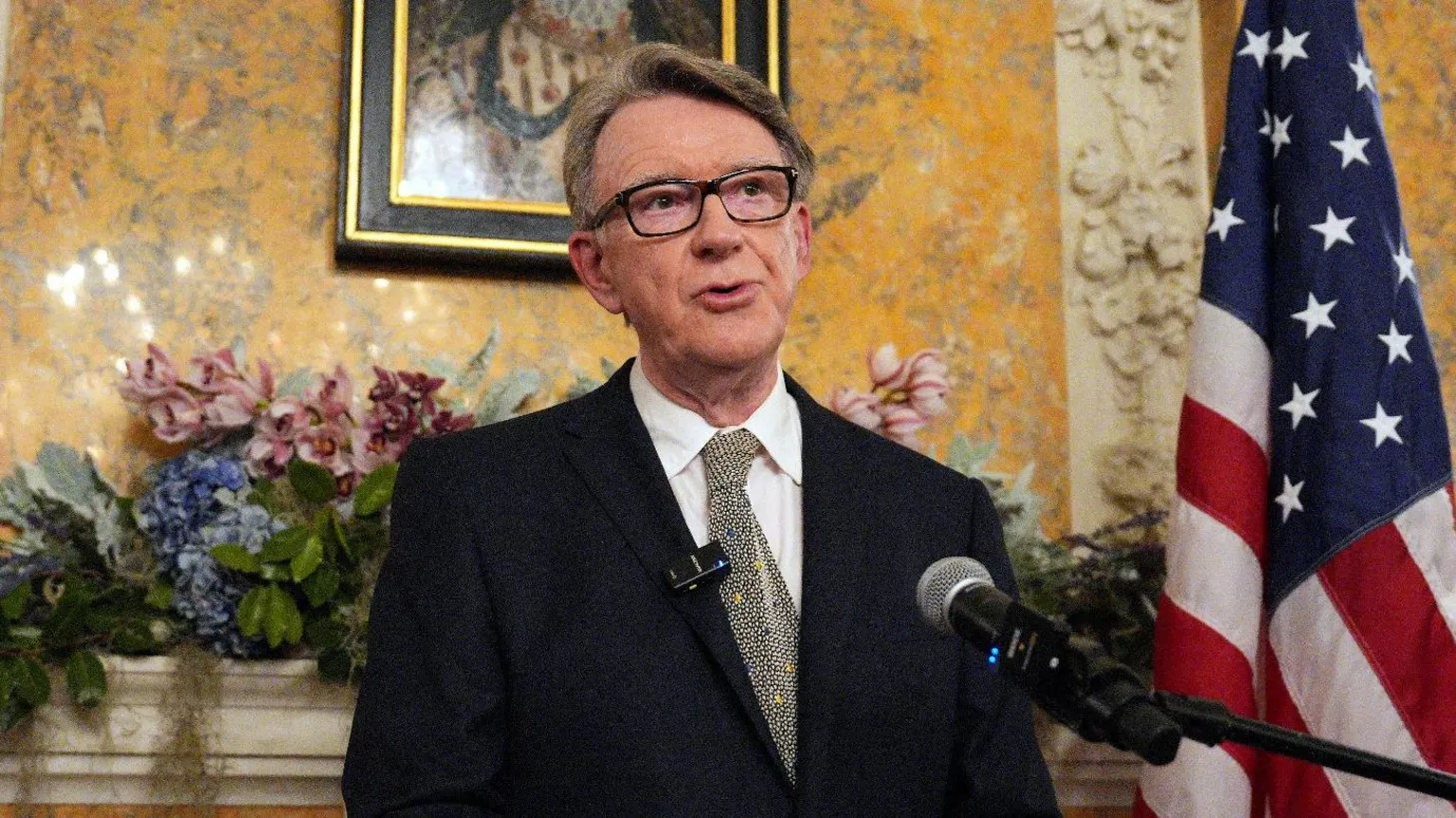
Lord Peter Mandelson’s appointment as the UK’s ambassador to the United States has sparked intense scrutiny after revelations about his past connections with convicted sex offender Jeffrey Epstein. As documents related to Mandelson’s vetting process prepare to be released under parliamentary pressure, questions abound over how much was truly known and assessed before he assumed one of Britain’s most sensitive diplomatic roles.
The Vetting Process: Two Critical Stages
The vetting procedure that cleared Lord Mandelson for his ambassadorial post in Washington was a two-step mechanism designed to root out risks and confirm his suitability for handling classified information. The first phase was a due diligence check overseen by the Cabinet Office on behalf of Prime Minister Sir Keir Starmer, who held responsibility for the appointment.
This initial review aimed to identify any reputational red flags or conflicts of interest that might complicate or undermine Mandelson’s role. It primarily relied on publicly available information, including media reports and archived official records.
Due Diligence Findings and Public Knowledge
At the time of the review, it was public knowledge that Lord Mandelson maintained contact with Jeffrey Epstein after Epstein’s 2008 conviction for soliciting sex from a minor. Notably, in 2023, the Financial Times unearthed emails suggesting Mandelson even stayed at Epstein’s Manhattan residence in 2009, while Epstein was incarcerated.
Sir Chris Wormald, the UK’s top civil servant, confirmed that beyond these public details, the only non-public information included records of a 2002 meeting arranged by Mandelson between Epstein and former Prime Minister Sir Tony Blair—six years before Epstein’s conviction.
The due diligence file also documented Mandelson’s previous roles across government and the private sector, highlighting his two prior ministerial resignations during the Labour government as additional reputational considerations.
Targeted Follow-Up Questions
After reviewing the initial file, Downing Street sources revealed that Sir Keir Starmer directly tasked Mandelson with answering three pointed questions via email, sent by the prime minister’s chief of staff. These inquiries focused on:
- Why Mandelson continued contact with Epstein after his conviction
- Why he reportedly stayed at Epstein’s home during Epstein’s imprisonment
- Whether he was connected to a charity founded by Epstein associate Ghislaine Maxwell
Mandelson’s responses apparently satisfied the prime minister’s office, allowing the appointment to proceed to the next stage: security vetting.
Security Vetting: The Crucial Clearance Step
Before assuming his ambassadorial duties, Lord Mandelson underwent developed vetting (DV), the UK’s most stringent security clearance process. Managed by United Kingdom Security Vetting (UKSV), a Cabinet Office specialist agency, DV evaluates candidates’ potential vulnerabilities to coercion, bribery, or abuse of privileged information.
The process requires extensive disclosure, including detailed questionnaires covering personal finances, internet activity, medical history, and communication accounts. UKSV conducts comprehensive background checks, including credit reports and criminal record searches.
Applicants must also face an in-depth interview with a trained vetting officer, probing areas such as health, relationships, friendships, and sexual history to assess risk factors.
UKSV holds sole authority to grant or deny clearance and can impose restrictions limiting access to certain classified information. The contents of this vetting remain confidential, seen only by the vetting body and security officials—ministers and even the prime minister do not receive detailed reports.
The Fallout and Why It Matters
Lord Mandelson’s diplomatic tenure lasted less than a year. In September 2025, he was dismissed after newly surfaced emails revealed he sent messages supporting Epstein after Epstein pleaded guilty to sex offenses.
The government maintained that the full depth of Mandelson’s relationship with Epstein only came to light after his appointment. Yet, Prime Minister Starmer now faces intense questioning about whether the publicly available information at the time should have raised serious concerns during the vetting stages.
This controversy underscores the challenges in balancing transparency, national security, and reputational risk when appointing senior officials to critical international posts. It also highlights the limits of relying heavily on public information and the importance of thorough, probing follow-up inquiries.
As the forthcoming release of vetting documents promises greater clarity, this episode serves as a cautionary example of how past associations can dramatically impact diplomatic credibility and government accountability.

Takeaway: Lord Mandelson’s appointment and rapid dismissal as UK ambassador to the US reveal the complexities and potential pitfalls in vetting processes for high-profile diplomatic roles. Ensuring full transparency and rigorous scrutiny is vital to maintaining trust in government appointments, especially when sensitive security clearances are involved. The unfolding disclosures will likely reshape how future ambassadorial candidates are evaluated, emphasizing the need for comprehensive background checks beyond publicly known information.