

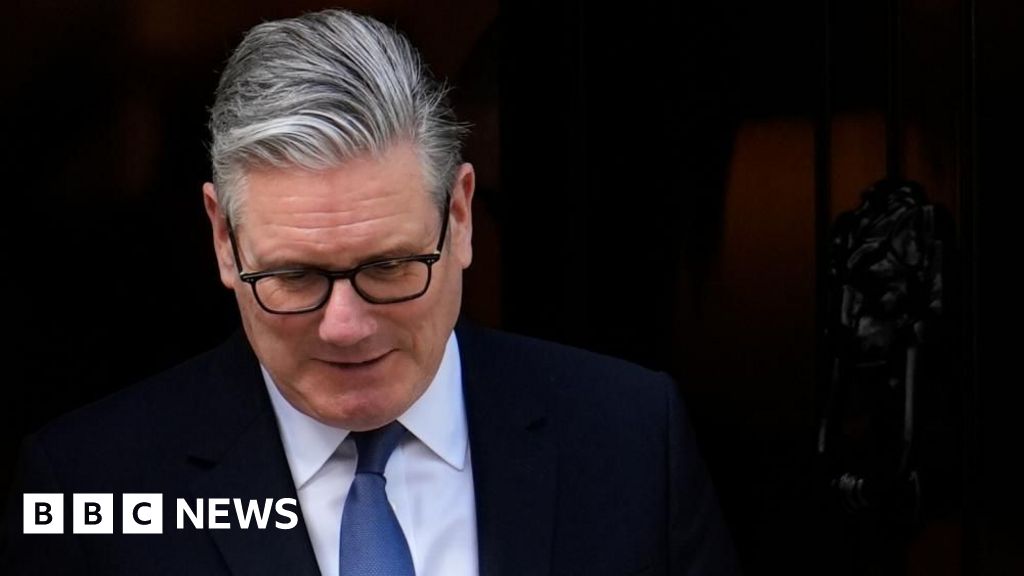
Sir Keir Starmer, the leader of the Labour Party, currently stands at the center of intense political speculation as internal pressures mount within his party. Questions swirl about his future, with rival factions positioning themselves for what could become a dramatic leadership shift. Yet, Starmer remains defiant, signaling his intent to lead Labour into the next general election and potentially serve a second term as Prime Minister.
The Role of Andy Burnham and Leadership Barriers
Andy Burnham, the Mayor of Greater Manchester, figures prominently in the ongoing leadership debate. Despite considerable support within Labour ranks, Burnham cannot officially challenge Starmer for the party leadership because he is not a Member of Parliament. This rule effectively sidelines him from any current leadership contests.
This barrier was underscored earlier this year when Burnham was blocked from standing in the Gorton and Denton by-election. Party officials feared that a Burnham victory in that seat would spark an immediate leadership challenge. The consequence was unexpected: the Green Party won the by-election, capitalizing on Labour’s internal fractures.
Burnham’s supporters—numbering around 20 publicly—are pushing for Starmer to announce a timetable for stepping down. An additional 10 Labour MPs have called simply for Starmer to resign. Their strategy is clear: if Starmer commits to a planned departure, the party’s national executive committee would be more likely to allow Burnham back into Westminster without blocking his candidacy, since the contest would no longer threaten the incumbent leader.
Supporters hope this approach will prevent a chaotic and divisive leadership battle. They believe that if enough MPs can accept Burnham as a successor, Labour could transition smoothly from Starmer’s leadership to Burnham’s premiership, avoiding damaging infighting.
The Current Leadership Dynamics and Internal Tensions
However, the situation remains fraught with competing ambitions. Labour MP Gavin West is reportedly pushing to trigger a leadership contest immediately. Should West succeed, Burnham would be disqualified from entering the race due to his non-MP status.
Some of Burnham’s allies have tried to persuade West to reconsider and align with their plan to delay any contest until after Starmer’s eventual departure. So far, these efforts have failed, adding to the uncertainty about how and when any leadership change might unfold.
Meanwhile, Starmer himself is publicly rejecting calls for resignation—whether abrupt or orderly. In a recent interview with the Observer, he affirmed his commitment to lead Labour into the next general election and fight for a second term. His stance signals a determination to maintain control amid growing pressure.
Speculation at Westminster suggests that only high-profile resignations from Starmer’s cabinet might force a reconsideration of his leadership position. However, there appears to be little appetite among senior Labour figures to be the first to break ranks, reflecting either loyalty or fear of the consequences.
Upcoming Events Could Define Starmer’s Premiership
In an effort to regain momentum, Starmer is scheduled to deliver a major speech on Monday. He aims to articulate his core values and political convictions with renewed clarity, hoping to solidify his base and reassure wavering supporters.
Following this, the State Opening of Parliament on Wednesday will provide another critical moment. The government will outline its legislative agenda for the coming year, offering Starmer a platform to demonstrate leadership and policy direction amid turbulent times.
These events will serve as key indicators of whether Starmer can restore confidence within Labour and among the public or whether internal divisions will deepen further.
What This Means for Labour and the UK
The leadership tensions within Labour highlight broader challenges facing the party as it seeks to position itself against the ruling Conservatives ahead of the next election. Starmer’s refusal to step down suggests a desire for stability, but the simmering discontent reveals fractures that could undermine Labour’s electoral prospects.
The question of how and when Starmer might exit leadership remains unresolved. Burnham’s supporters hope for a managed transition that avoids a bruising contest, but current power dynamics make such an outcome uncertain.
Ultimately, the unfolding drama will shape Labour’s strategy and unity going forward. For the UK electorate, the leadership struggle signals a period of potential volatility, with implications for policy direction and political balance in Westminster.
As these developments continue, Labour’s ability to present a united front will be crucial to its chances in the next general election and beyond.