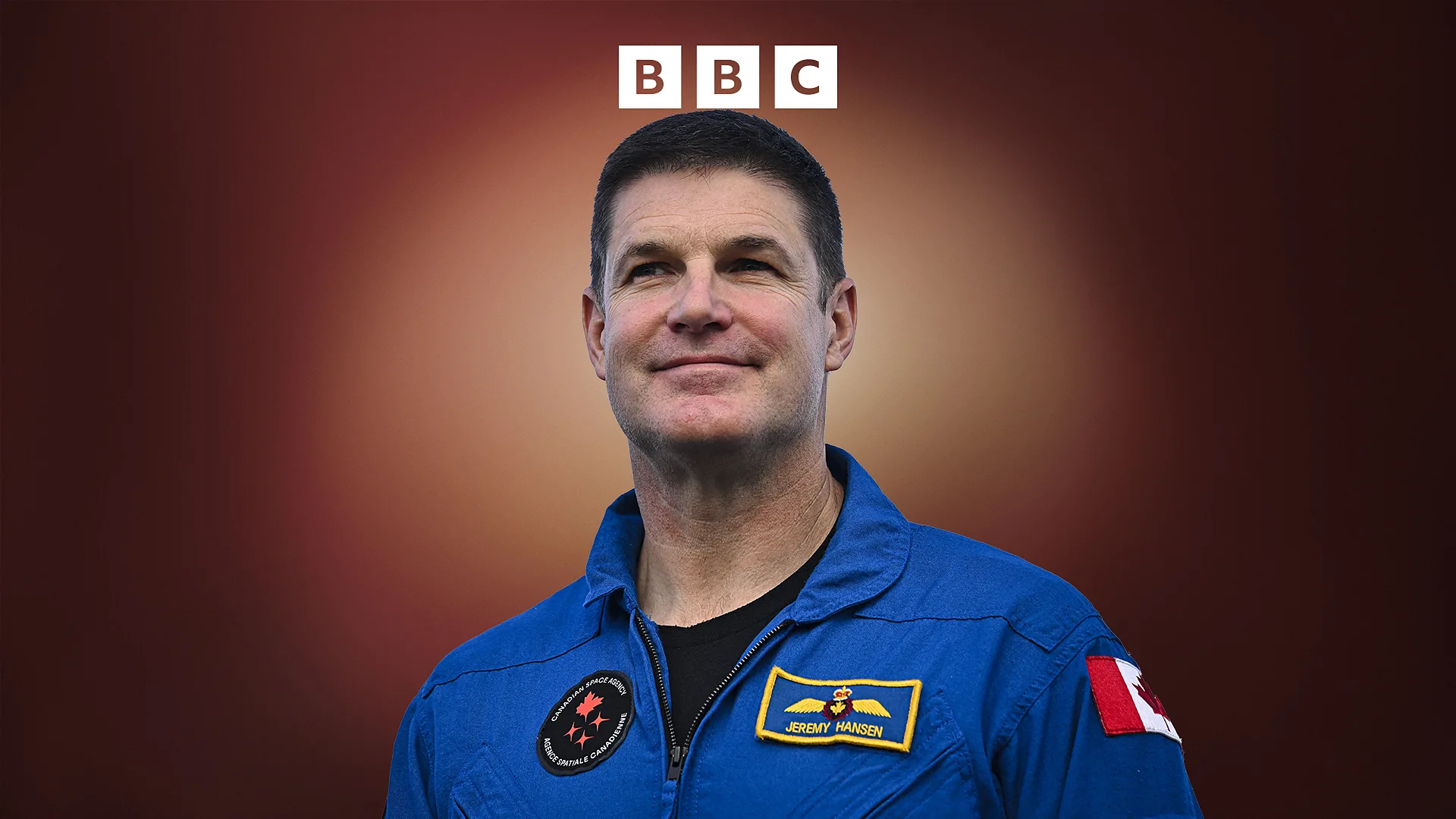
As NASA prepares to launch Artemis II, the first crewed mission to orbit the Moon in over 50 years, Canadian astronaut Jeremy Hansen offers a powerful reflection on what this historic journey represents for humanity. “I hope humanity will stop for a moment when four humans are on the far side of the moon and be reminded that we can do a better job as humans of just lifting each other up. Not destroying, but creating together,” Hansen said.

The Artemis II Mission: Pioneering a New Era Beyond Earth
Artemis II marks a critical step in NASA’s ambitious plans to return humans to the Moon and eventually send astronauts to Mars. Launching from the Kennedy Space Center in Florida, the mission will carry four astronauts, including Hansen, on a journey that will circle the Moon before safely returning to Earth. Although the crew will not land on the lunar surface, this venture is the first time since the Apollo era that humans will travel beyond low-Earth orbit.

Hansen’s presence on this mission is groundbreaking. He will become the first non-American astronaut to leave low-Earth orbit, joining crewmates who also represent historic milestones: Christina Koch will be the first woman to venture this far from Earth, and Victor Glover will be the first person of color to do so. Together, this diverse crew symbolizes a new chapter of inclusivity and international collaboration in space exploration.

Why This Mission Matters
Beyond the technical achievements, Artemis II carries profound symbolic weight. Hansen’s vision of humanity “lifting each other up” highlights the mission’s potential to inspire global unity. The image of four astronauts traveling together on the far side of the Moon offers a powerful metaphor for cooperation, hope, and human ingenuity. In a world often divided by conflict and competition, Artemis II showcases what humanity can accomplish through shared purpose and collaboration.

Jeremy Hansen: A Canadian Astronaut Making History
Jeremy Hansen’s journey to Artemis II reflects years of dedication and expertise. As a Canadian Space Agency astronaut, Hansen has contributed to multiple missions and scientific experiments aboard the International Space Station. His selection for Artemis II underscores the growing international partnerships that define modern space exploration. Canada’s involvement in NASA’s Artemis program, particularly through advanced robotics and technology development, positions Hansen as a key figure bridging national efforts in space science.
Hansen’s perspective on the mission goes beyond the technical. He emphasizes the importance of this moment for humanity’s collective future. “It’s not just about the destination, it’s about what we do when we get there and how we work together,” Hansen explained. His words invite us to consider space exploration not only as a scientific endeavor but as a catalyst for social progress and global inspiration.

What Comes Next: The Future of Human Spaceflight
If Artemis II succeeds, it will pave the way for Artemis III and subsequent missions that aim to land astronauts on the Moon’s south pole, including the first woman and the first person of color to walk on the lunar surface. These missions will also test technologies and strategies essential for future manned trips to Mars.

The Artemis program reflects a renewed commitment to exploring deep space with multinational crews and cutting-edge technology. Hansen’s role exemplifies how space exploration has evolved into a global effort, celebrating diversity and pushing the boundaries of human potential.

The mission’s success could inspire a new generation of scientists, engineers, and dreamers worldwide — a reminder that exploration encourages humanity to rise above challenges and build a better future together.

Why the Artemis II Mission Resonates Globally
Artemis II represents more than a scientific milestone. It embodies the best qualities of humanity: curiosity, courage, and collaboration. Hansen’s hope that this mission will inspire people to “create together” rather than “destroy” underscores a universal message relevant beyond space exploration.

As the world watches four humans orbit the Moon, this moment has the potential to unify us, reminding all nations and individuals of what can be achieved when we work in harmony. It challenges us to rethink our priorities on Earth and to embrace a future fueled by innovation and mutual respect.

Ultimately, Artemis II is not just a mission to the Moon; it is a testament to human spirit and the boundless possibilities that emerge when we reach for the stars together.