

Jess Phillips, a prominent Labour MP, has revealed that she would have reconsidered her decision to quit politics if Labour leader Sir Keir Starmer had introduced a ban on social media use for under-16s sooner. Her comments shed light on the ongoing debate around social media regulation and its impact on young people and political figures alike.
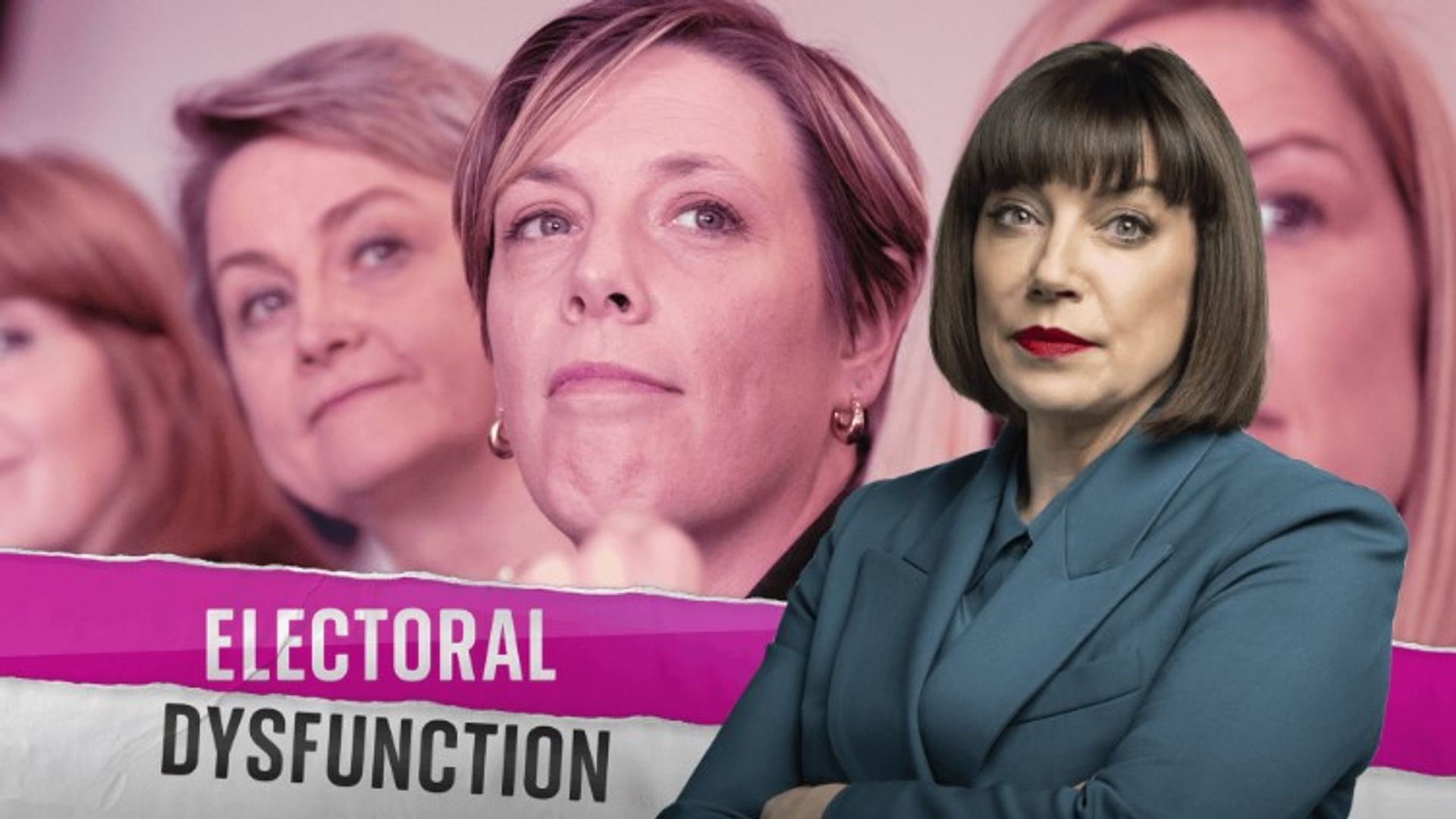
Why Jess Phillips Resigned and the Role of Social Media
Jess Phillips stepped down from her parliamentary role citing the toxic and relentless abuse she faced online. As a vocal advocate for women’s rights and social justice, Phillips frequently encountered hostile and aggressive interactions on platforms like Twitter and Instagram. She has long argued that unchecked social media environments contribute to a hostile political climate, especially for women politicians.
Phillips now suggests that had an effective policy targeting social media use among younger users been implemented earlier, her experience might have been less damaging. The proposed ban on under-16s using social media aims to shield vulnerable youth from the mental health risks and online harassment that have become prevalent.
“If the ban on social media for under-16s had been in place earlier, I don’t think I would have felt the need to resign,” Phillips said, emphasizing how the toxic online environment fueled by social media platforms played a significant role in her decision.
The Context of the Under-16s Social Media Ban Proposal
The idea of restricting social media access for children under 16 has gained traction amid growing concerns over mental health issues, cyberbullying, and misinformation targeting young users. Various governments and advocacy groups have called for stricter regulations to protect children from harmful content and addictive platform designs.
Sir Keir Starmer’s leadership team has indicated support for such measures, viewing them as necessary to foster safer online communities. However, the ban has faced criticism from some who argue it could limit young people’s freedom of expression or hinder digital literacy development.
Implementing a social media ban for under-16s would require cooperation with tech companies and regulatory authorities to enforce age restrictions more effectively. The policy could also include educational initiatives to promote responsible online engagement among youth.
What This Means for Politics and Online Safety
Jess Phillips’ candid admission highlights the profound impact social media has on politicians, particularly women, and the broader political discourse. The online abuse and harassment fueled by social media can discourage diverse voices from participating in public life, ultimately weakening democratic representation.
For young users, early exposure to social media can lead to mental health challenges, including anxiety and depression, fueled by cyberbullying and unrealistic social comparisons. A ban or strict regulation could mitigate these risks, fostering healthier developmental environments.
While the conversation around social media regulation is complex, Phillips’ experience underscores the urgent need for effective policies that protect both politicians and young people from the darker side of online engagement.
Looking Ahead: The Future of Social Media Regulation in the UK
As discussions continue over the under-16s social media ban, policymakers face the challenge of balancing protection with freedom. Jess Phillips’ perspective adds a powerful voice to the debate, illustrating how earlier intervention might have preserved her political career and wellbeing.
The Labour Party’s stance on social media regulation could influence broader UK policy, potentially setting a precedent for other countries grappling with similar issues. Effective enforcement, combined with education and support systems, will be critical to ensuring these measures achieve their intended benefits.
Ultimately, the debate around social media use and regulation is far from over. Jess Phillips’ experience serves as a cautionary tale about the real human costs of online abuse and the pressing need for proactive solutions.