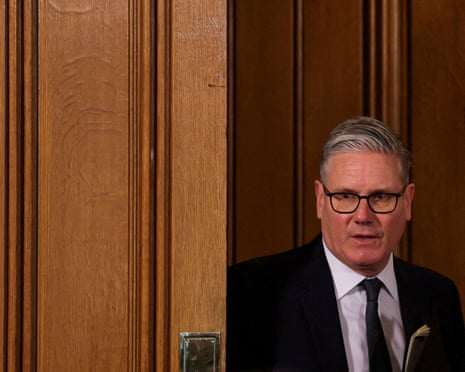
Keir Starmer has firmly declared he will remain as prime minister, rejecting calls to step down despite mounting unrest within his cabinet and the wider Labour Party. In a crucial cabinet meeting on Tuesday, Starmer asserted that no formal leadership challenge has yet met the necessary threshold, signaling his intent to continue governing amid internal defections and public criticism.
Starmer Confronts Cabinet Turmoil Head-On
During the cabinet session, Starmer addressed his ministers with a clear message: the leadership contest remains unopened, and he plans to focus on governing rather than engaging in factional battles. Sources reveal that Starmer swiftly moved the discussion from leadership speculation to pressing domestic issues, including the volatile situation in the Middle East, leaving dissenters without an immediate platform to press for his resignation.

Despite suggestions from some ministers that Starmer should reconsider his position, he avoided one-on-one meetings with critics ahead of or following the cabinet, confining private discussions to his close ally Richard Hermer. This approach underscored his resolve to project stability and control amid growing tensions.

Starmer’s comments seemed to directly challenge Health Secretary Wes Streeting, who has been linked to calls for a leadership contest. Starmer’s declaration that he would “get on with governing” was interpreted by some as a direct dare to Streeting to formally initiate a challenge. After the meeting, Streeting reportedly sought a private conversation with the prime minister but was rebuffed.

Resignations Deepen Leadership Crisis
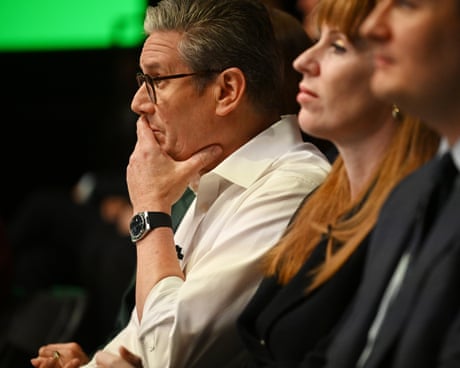
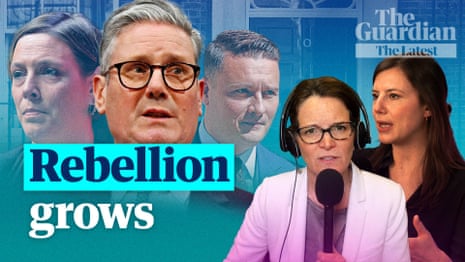
The cabinet meeting came on the heels of dramatic resignations that have intensified speculation about Starmer’s future. Jess Phillips, the Home Office minister and a close ally of Streeting, stepped down, criticizing Starmer’s leadership for lacking the ambition and energy needed to seize a “rare opportunity.” Phillips’ departure amplified whispers of a coordinated effort to destabilize the prime minister.

Her resignation was quickly followed by that of Alex Davies-Jones, minister for victims and tackling violence against women and girls, further eroding Starmer’s ministerial ranks.

Within the cabinet, divisions over Streeting’s role in fomenting dissent surfaced sharply. Several ministers expressed anger at Streeting’s perceived attempts to undermine Starmer, despite the health secretary’s public insistence that he will not initiate a leadership contest but would participate if one were already underway.
One minister remarked, “Wes has got a brass neck,” highlighting the tension as Streeting appeared unfazed during the meeting. Another observed that Streeting’s “planning not plotting” mantra lacked a coherent strategy, especially since Starmer’s cabinet support remained solid.

Cabinet Ministers Rally Behind Starmer
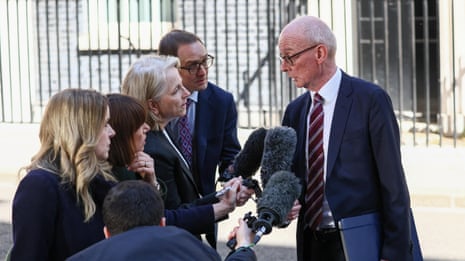
Following the meeting, several senior cabinet members publicly reaffirmed their support for Starmer, emphasizing the need for government stability during turbulent times. Work and Pensions Secretary Pat McFadden confirmed that no one challenged Starmer in the meeting and urged the government to focus on its agenda.
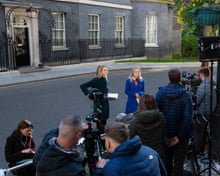
Technology Secretary Liz Kendall echoed this sentiment, stressing the importance of unity and the existing process for leadership challenges, which has not been activated. She highlighted the government’s priorities: economic growth, tackling the cost of living, and improving public services.

Similarly, Business Secretary Peter Kyle described the cabinet meeting as “purposeful,” centered on addressing major economic and societal challenges. Defence Secretary John Healey underscored the public’s expectation for stable leadership amid global crises, warning that further instability would harm national interests.
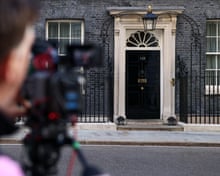
Some ministers sensed a renewed confidence among the “silent majority” of MPs who have not called for Starmer’s resignation, suggesting that the cabinet’s united front helped rally support during a period of intense internal scrutiny.

Why This Leadership Battle Matters
The Labour leader’s grip on power has weakened following disappointing local election results, with over 80 MPs publicly demanding he set a departure timetable. The resignation of Miatta Fahnbulleh, the communities minister, earlier on Tuesday intensified pressure on Starmer to clarify his future.

Fahnbulleh, aligned with Energy Secretary Ed Miliband, urged Starmer to orchestrate an orderly transition, citing a loss of public trust and confidence in his leadership. This sentiment resonates with several senior cabinet figures who met with Starmer privately to discuss a dignified exit strategy following electoral setbacks.

Nevertheless, key allies including Hermer and Steve Reed have encouraged Starmer to persevere. Starmer’s chief secretary, Darren Jones, cautioned rivals about the formidable challenges of the premiership, highlighting that no quick fixes exist for the complex issues facing the country.

Meanwhile, some Labour MPs have voiced public backing for Starmer, warning against internal division during a time of global instability. Neil Coyle criticized colleagues focusing blame on Starmer for electoral losses, while Nick Smith emphasized the necessity of political stability to navigate the economic and security challenges ahead.


Looking Ahead: Stability or Continued Strife?
Keir Starmer’s declaration to remain at the helm reflects a critical juncture for Labour and UK politics. His leadership faces unprecedented strain from within his own ranks, compounded by public and electoral pressures. The unfolding cabinet resignations and calls for a leadership contest underscore the fragility of his position.
Yet, the cabinet’s public show of solidarity and Starmer’s refusal to entertain a leadership challenge signal a determination to maintain government stability amid pressing national and international crises.
The coming weeks will test whether Starmer can unify his party and deliver on promises of change, or whether mounting internal dissent will force a dramatic shift in Labour’s leadership landscape.