King Charles took a surprising turn from traditional royal duties by showcasing his musical and culinary talents on the final day of his visit to Northern Ireland. Engaging warmly with the public and participating in hands-on activities, the monarch demonstrated a relatable and approachable side rarely seen in official engagements.
King Charles Embraces Ukulele Playing
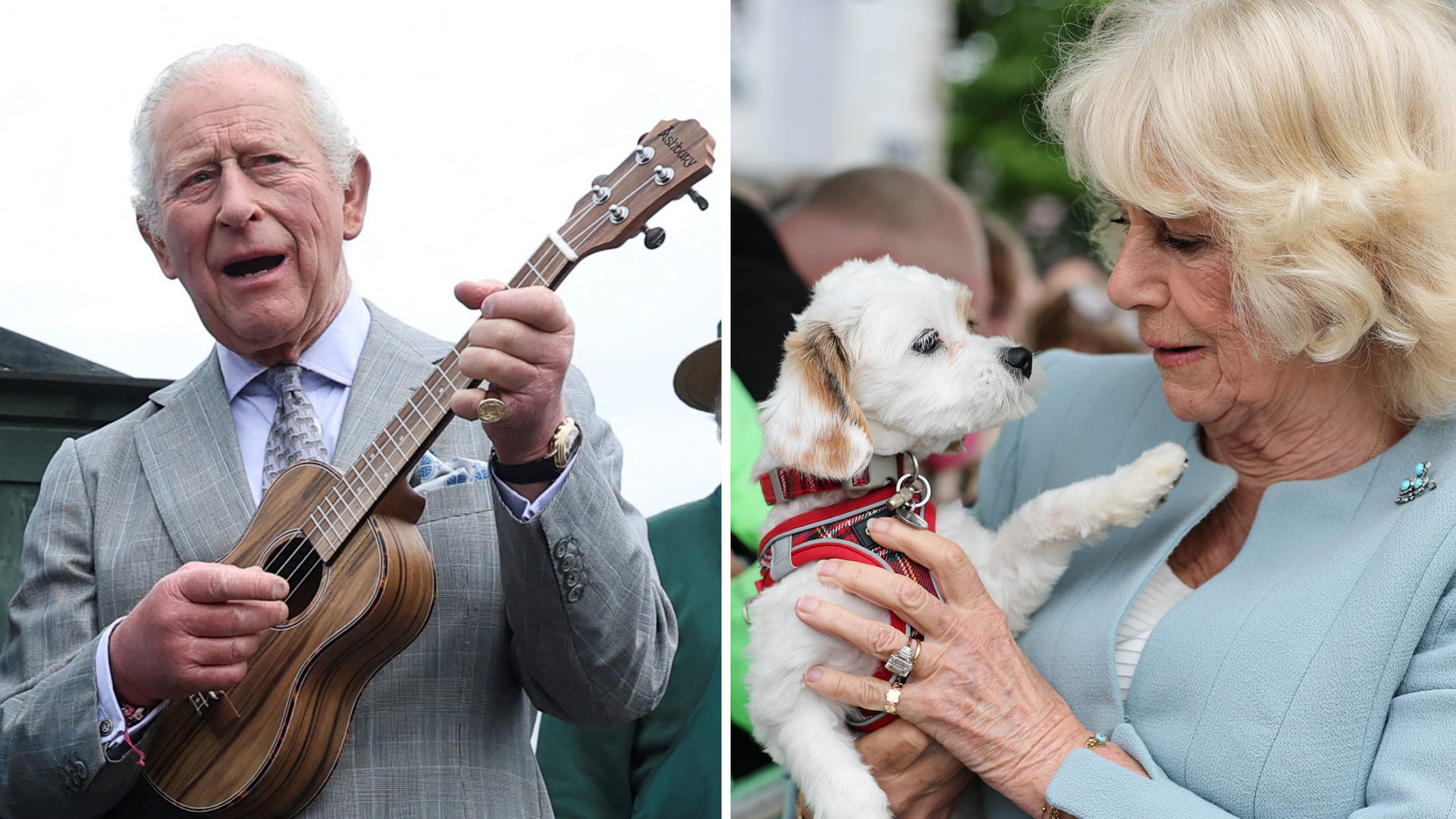
During the concluding moments of the royal visit alongside the Queen, King Charles picked up a ukulele and tried his hand at playing the instrument. This impromptu musical moment broke the formal setting, highlighting the King’s willingness to connect with people through shared cultural experiences.
The ukulele, a small string instrument often associated with Hawaiian music, has gained popularity worldwide for its cheerful sound and accessibility. By engaging with it, King Charles not only showed a lighter, playful side but also embraced a broader cultural symbol that resonates with a diverse audience.
This gesture went beyond mere entertainment. It reflected a modern approach to monarchy—one that values personal connection and cultural appreciation. The King’s willingness to step outside traditional protocols and try something new during his official duties speaks volumes about his style of leadership and public engagement.
Baking Cakes: A Royal Culinary Moment
In addition to his musical experiment, King Charles also participated in baking cakes during the visit. This activity, often associated with home and community, served as a symbolic gesture of unity and warmth. It allowed the King to engage with local traditions and share in everyday experiences familiar to many.
Baking, especially in a public or communal context, carries a message of nurturing and togetherness. By joining in, King Charles underscored his commitment to supporting local initiatives and fostering a sense of community spirit.
Such moments are key in humanizing the monarchy. They remind the public that beyond formal ceremonies and state affairs, the royal family participates in simple, joyful activities that resonate with ordinary people. This helps bridge the gap between royals and citizens, reinforcing the monarchy’s relevance in contemporary society.
Why King Charles’ Approach Matters
The King’s final day in Northern Ireland, marked by these personal, hands-on experiences, offers insight into his evolving role as monarch. At a time when the British monarchy faces scrutiny and calls for modernization, King Charles’ willingness to engage in informal, relatable activities strengthens public perception of his accessibility and genuine interest in community life.
Northern Ireland holds special significance within the United Kingdom, with its complex history and ongoing efforts toward peace and reconciliation. The King’s visit, combined with these informal moments, highlights a commitment to unity and cultural respect in a region often marked by division.
By blending traditional royal duties with contemporary, approachable gestures, King Charles sets a tone for a monarchy that values connection over ceremony. His actions during this visit suggest a monarch keenly aware of the importance of empathy and shared experiences in maintaining the institution’s relevance.
Looking Ahead: What This Signals for the Monarchy
King Charles’ display of musical and baking talents is more than a charming anecdote—it signals a nuanced shift in royal engagement strategies. Future visits and public appearances may increasingly incorporate interactive, community-centered activities that foster a deeper bond between the monarchy and the public.
As the monarchy navigates the challenges of the 21st century, these moments of authenticity and cultural participation could prove vital in sustaining public support. King Charles appears poised to lead with a blend of tradition and modernity that resonates with diverse audiences across the United Kingdom and beyond.
Ultimately, this final day in Northern Ireland encapsulates a monarch embracing both his role and the people he serves—one ukulele strum and cake mix at a time.