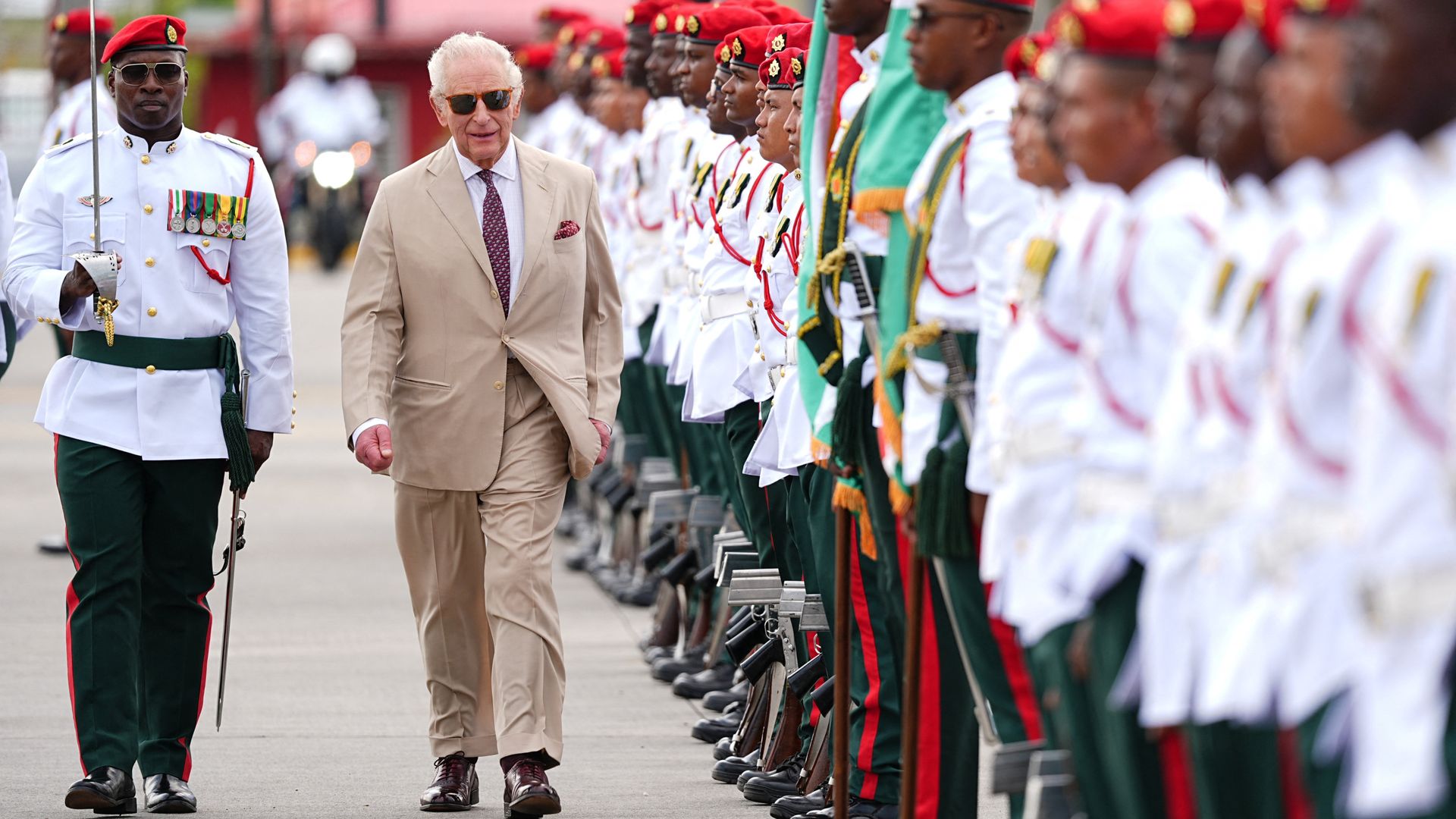
King Charles III is set to confront Britain’s historical role in the transatlantic slave trade with a speech marked by “unflinching honesty” and “sincere sorrow.” This address to Commonwealth leaders arrives amid mounting calls for the United Kingdom to formally apologize for its involvement in one of history’s darkest chapters.
What the King’s Speech Will Entail
The forthcoming speech by King Charles III aims to acknowledge the profound suffering caused by slavery and Britain’s significant role in the transatlantic slave trade. Sources close to the royal household emphasize that the King intends to speak candidly about the injustices of slavery rather than offering a vague or sanitized account.
This moment is particularly significant because it comes at a time when many former British colonies, together with activists and descendants of enslaved people, are demanding a formal apology from the British government and monarchy. The King’s message is expected to embody a tone of genuine remorse, recognizing the enduring legacy of slavery in Commonwealth nations.
Context: The Growing Pressure for a British Apology
For decades, the British Empire’s involvement in the slave trade has been a contentious issue, with critics arguing that Britain has not adequately acknowledged its moral responsibility. The transatlantic slave trade forcibly transported millions of Africans across the Atlantic Ocean, subjecting them to brutal exploitation and dehumanization.
In recent years, calls for reparations and official apologies have intensified, particularly within Commonwealth countries such as Jamaica, Trinidad and Tobago, and Barbados. These nations have highlighted the social and economic inequalities rooted in the legacy of slavery and colonialism.
The British government has faced sustained scrutiny for what many see as its reluctance to fully confront this past. While some officials have expressed regret, they have stopped short of issuing a formal apology. The King’s forthcoming speech represents a rare and potentially historic moment of royal acknowledgment.
Why This Speech Matters
King Charles III’s decision to address this topic with clarity and sorrow signals a shift in the monarchy’s engagement with Britain’s colonial history. Unlike past statements that often skirted around the issue, this speech promises to confront uncomfortable truths head-on.
For the Commonwealth leaders gathered to hear the King’s address, the speech could serve as a critical step toward healing and reconciliation. It may also influence broader public discourse in the UK about race, history, and the ongoing impact of slavery.
Moreover, the King’s candid approach might bolster efforts for educational reforms that more accurately reflect the historical realities of slavery and colonialism. This could foster greater understanding and empathy across generations.
Looking Ahead: What This Means for Britain and the Commonwealth
The King’s speech is more than a symbolic gesture—it has the potential to shape future conversations about reparations, historical accountability, and the relationship between the UK and its former colonies.
While the monarchy does not hold governmental power to issue formal apologies or reparations, the King’s words carry significant moral weight. His sincere acknowledgment might pave the way for political leaders to take concrete steps toward addressing historical injustices.
As the Commonwealth continues to grapple with its shared history, the King’s unflinching honesty offers a foundation for dialogue rooted in truth and remorse. This approach could help forge stronger bonds among member states and with the UK itself.
Ultimately, King Charles III’s upcoming speech marks a pivotal moment in Britain’s reckoning with its slave trade past—one that demands attention, reflection, and action from leaders and citizens alike.