

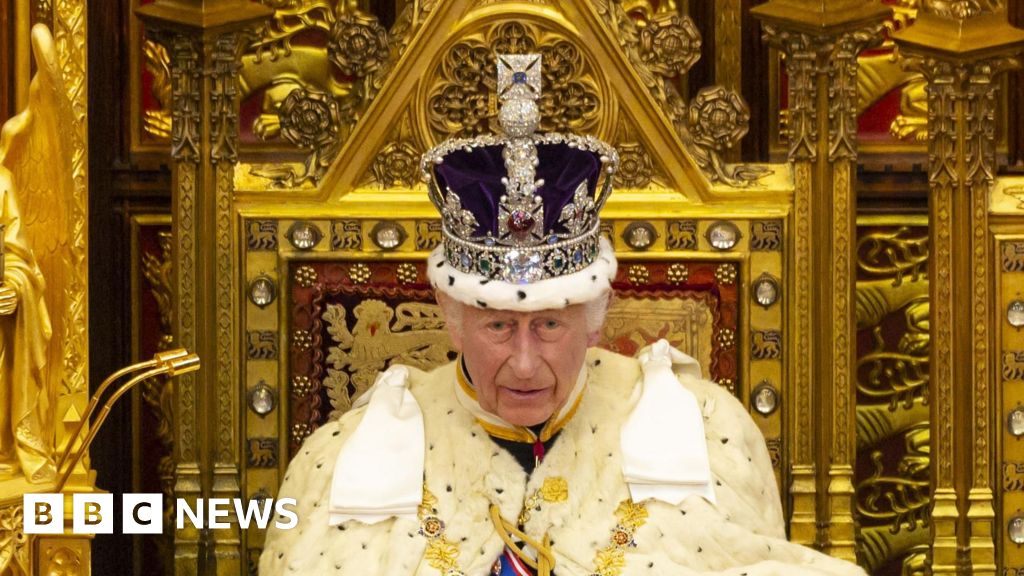
The upcoming King’s Speech promises to introduce a slate of transformative laws that will reshape the UK’s legal and political landscape. Key bills advancing through Parliament aim to revamp intelligence oversight, expand democratic participation, tighten political finance controls, and reform the House of Lords. These changes reflect the government’s response to public concerns about transparency, security, and accountability in modern Britain.
Intelligence Oversight and Public Accountability
One of the most contentious pieces of legislation currently progressing is a bill focused on enhancing the accountability of public officials, including intelligence officers. Initially, the government proposed granting security services an exemption from certain legal duties, sparking strong criticism from campaigners and watchdog groups worried about unchecked power within the intelligence community.
In response, the Prime Minister is reportedly set to abandon plans for this exemption. Instead, the bill will incorporate amendments ensuring that the public officials’ duty of candour—an obligation to be truthful and transparent—applies uniformly across the United Kingdom. This duty also extends to providing assistance during official investigations, promoting greater openness.
However, some provisions, such as the newly introduced offence of “misleading the public,” will be limited to England and Wales. This geographic limitation underscores ongoing complexities in legislating across the UK’s devolved nations and reflects the distinct legal frameworks operating in Scotland and Northern Ireland.
Democratic Reforms: Lowering the Voting Age and Strengthening Election Integrity
The Representation of the People Bill stands out as a landmark reform expected to finalize its journey through Parliament in the King’s Speech. This legislation will lower the voting age to 16 for general elections, marking a historic expansion of the franchise and empowering younger citizens to participate more fully in the democratic process.
The bill also introduces automatic voter registration, a move designed to boost electoral participation by simplifying the registration process. Additionally, it will permit the use of bank cards as valid identification at polling stations, addressing longstanding concerns about voter ID requirements potentially disenfranchising some groups.
On the finance side, the bill tightens rules around political donations to curb foreign influence and increase transparency. Companies will now need to demonstrate a genuine connection to the UK before making donations, preventing the funneling of funds from abroad. The Electoral Commission will gain enhanced powers to enforce compliance, including the ability to levy fines up to £500,000 against parties violating political finance rules.
Since tabling the bill, the government has introduced a temporary ban on political donations made via cryptocurrency, reflecting fears over anonymous funding channels. Minister Steve Reed confirmed that this ban will remain until effective regulations are established to prevent hidden contributions. Reed also announced plans to cap donations from British citizens living overseas at £100,000 annually, aiming to ensure fairness and limit undue influence from abroad.
Reforming the House of Lords: Stripping Titles from Disgraced Peers
The King’s Speech will also tackle reform within the upper chamber of Parliament. Following the high-profile scandal involving Lord Mandelson, new legislation is expected to empower the government to strip titles from peers who have brought disgrace upon the House of Lords.
This move marks a significant step toward restoring public confidence in this often-criticized institution. By holding peers to higher standards and enabling the removal of titles, the legislation seeks to reinforce the integrity and accountability of the Lords, aligning with broader efforts to modernize the UK’s political system.
Why These Changes Matter
These legislative initiatives collectively address urgent issues facing the UK’s democracy and governance structures. Enhancing transparency and accountability within the intelligence services responds to growing demands for oversight in an era of heightened security threats. Lowering the voting age and simplifying voter registration represent a commitment to inclusivity, ensuring younger generations have a voice in shaping the nation’s future.
Moreover, tightening political donation rules protects the electoral process from covert foreign influence and the burgeoning risks posed by cryptocurrencies. Reforming the House of Lords aligns with public calls for ethical governance and reflects a broader trend toward cleaning up political institutions.
As these bills move toward enactment following the King’s Speech, they signal a government focused on strengthening democratic foundations, improving public trust, and adapting laws to contemporary challenges.
Full details on the final versions of these laws and their implementation timelines are expected to be released in due course.