Labour has called for a formal investigation into Zack Polanski, leader of the Green Party, over concerns that he may not have paid the correct council tax while living on a houseboat in east London. The controversy raises serious questions about Polanski’s compliance with legal and ethical obligations as an elected member of the Greater London Authority (GLA).


What Happened: Council Tax Controversy Surrounding Zack Polanski
Polanski’s situation came under scrutiny after questions arose regarding whether his houseboat moored in east London qualified as his primary residence for council tax purposes. According to government guidance, individuals whose “sole or main” residence is a boat are liable to pay council tax on it. Polanski had previously told The Times that he rented a room at a separate address where council tax was included in the rent and only stayed on the boat “occasionally.”

A Green Party spokesperson described the issue as an “unintentional mistake,” stating Polanski has “immediately taken steps” to settle any outstanding tax liabilities. They also highlighted the unique nature of living on a houseboat, which brings “practical circumstances and considerations” distinct from traditional homeownership.

However, Labour’s chair, Anna Turley, has now escalated the matter by formally requesting the London Assembly to investigate whether Polanski breached both the law and the GLA’s code of conduct. In her letter to the assembly’s monitoring officer, Turley cited section 106 of the Local Government Finance Act 1992, which mandates that public officials who fall two months or more behind on council tax must declare this at financial meetings and abstain from voting.

Turley urged the assembly to review if Polanski attended any meetings involving financial decisions since 2023 without making such declarations, potentially violating legal and ethical standards.

Why This Matters: Legal and Ethical Implications for an Elected Official
The controversy extends beyond a simple tax oversight. The GLA code of conduct requires elected members to uphold principles of honesty, integrity, accountability, and openness—standards cited by Turley as potentially breached by Polanski’s actions. Transparency about tax payments is particularly critical given the public trust vested in elected representatives.

The Greens have celebrated recent electoral successes, often at Labour’s expense, making this development particularly damaging amid political rivalry. Labour argues that Polanski’s failure to properly manage his council tax payments undermines his credibility, especially as the Green Party advocates for increased taxation policies.
Conservative Party chair Kevin Hollinrake condemned Polanski for what he called “staggering hypocrisy,” noting the contradiction between Polanski’s public call for tax hikes and the apparent failure to meet his own tax obligations.

Tax expert Dan Neidle, founder of Tax Policy Associates, analysed the case and emphasized that if the houseboat was indeed Polanski’s “sole or main residence” during the past three years, both he and his partner would have been legally required to register and pay council tax accordingly.


Additional Details and Next Steps in the Investigation
Further complicating the situation, The Times reported an advertisement for the sale of Polanski’s houseboat, with his partner noting a move to a conventional house and a farewell to the “gorgeous community” they had been part of. Meanwhile, the Daily Mail revealed that Polanski was registered to vote at a building near the marina, which he also used as a mailing address.

The Green Party declined to disclose Polanski’s exact address publicly, citing security concerns after two serious incidents that have been reported to the police and are under investigation.

Turley’s letter demands a thorough inquiry by the London Assembly to determine whether Polanski’s council tax arrears influenced his participation in financial decisions and whether his conduct complies with the Nolan principles—standards defining ethical behavior in public office.
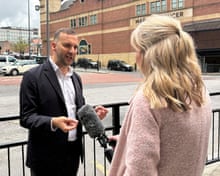
The outcome of this investigation could have significant implications not only for Polanski’s political standing but also for public confidence in elected officials’ adherence to financial and ethical responsibilities.
What This Means Going Forward
This case underscores the complexities of council tax regulations for non-traditional residences like houseboats, highlighting potential gaps in understanding or compliance even among public figures. It also spotlights the stringent obligations elected officials face to maintain transparency and legal compliance.

For voters and political observers, the inquiry into Polanski’s tax affairs will test the Green Party’s commitment to accountability amid its recent electoral gains. More broadly, it raises questions about how local authorities monitor and enforce tax payments from diverse living arrangements.

As the London Assembly considers Labour’s call for investigation, the public awaits clarity on whether Polanski’s situation represents a genuine oversight or a breach of public trust. The findings will likely influence perceptions of political integrity and may prompt calls for clearer rules governing council tax liabilities for unconventional residences.