

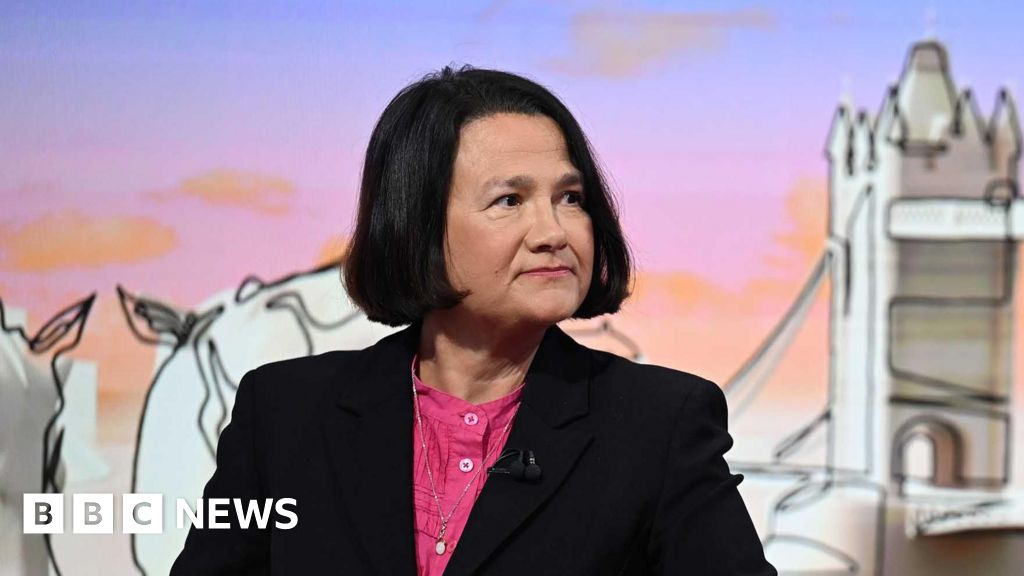
The Labour Party finds itself at a crossroads as internal tensions rise over Sir Keir Starmer‘s leadership. While some senior figures hint at dissatisfaction, the party remains cautious about triggering a leadership challenge. Among those expressing concern is Catherine West, who has publicly suggested that Starmer should consider stepping down, yet stops short of endorsing an outright contest for leadership.
Growing Frustration Within Labour’s Ranks
Labour’s internal dissent has become increasingly visible in recent days. At a recent conference of the Communication Workers Union, former Deputy Prime Minister Angela Rayner—a notable figure often seen as a potential alternative leader—acknowledged the “frustration” conveyed by party members last week. Rayner emphasized that while Starmer has recognized these concerns, the party will ultimately be “judged on actions and not just our words.”
Rayner encouraged Labour to prioritize unity over internal divisions, urging the party to “do better” and place “the common interest ahead of factionalism.” This call for cohesion reflects ongoing challenges in balancing differing factions within Labour as it prepares for future electoral battles.
One specific issue Rayner addressed was the exclusion of Andy Burnham from standing as a Labour MP—a decision she labeled a mistake. She insists that the party leadership must rectify this error, signaling wider dissatisfaction with recent strategic choices.
Mixed Signals from Key Labour Figures
Culture Secretary Lisa Nandy offered her perspective during an interview on BBC Radio 5 Live. Though she expressed disapproval of blocking Burnham’s candidacy, stating she would not have prevented him from standing, Nandy refrained from directly comparing him to Starmer. When asked if Burnham would make a better prime minister, she responded, “Hypothetically, I have no idea.”
Despite these reservations, Nandy praised Starmer’s determination and strategic vision. She highlighted that he was “one of the few people who really believed that we [Labour] could win a general election in one term.” She credited him with turning the party’s fortunes around and expressed her hope that he will succeed in leading the country as well.
These nuanced views from prominent Labour leaders illustrate the complexity of the current leadership debate. While there is recognition of the need for change in some quarters, there remains respect for Starmer’s achievements and a desire to maintain party stability.
What the Future Holds for Starmer and Labour
Following Starmer’s recent speech, Labour MPs displayed a spectrum of reactions. Some voiced support for his leadership, while others increasingly call for him to outline a clear plan for stepping down. This growing chorus suggests momentum is building behind the idea that Labour needs new leadership to regain public confidence and strengthen its electoral prospects.
The situation places Starmer in a delicate position. As he seeks to unify the party and focus on upcoming political challenges, he must also address mounting internal pressure. The leadership question is no longer confined to whispers; it is becoming a central issue that could shape the party’s trajectory.
For Labour supporters and observers, the coming weeks will be crucial. How Starmer responds to these calls for change will determine whether Labour can heal internal divisions and present a united front to voters ahead of future elections.
Why This Matters
Labour’s internal debate over leadership comes at a critical moment. With the UK grappling with economic challenges and shifting political landscapes, the party’s ability to present coherent, confident leadership is paramount. Starmer’s position as leader influences not only Labour’s electoral chances but also public trust in the party’s capacity to govern effectively.
The calls from figures like Catherine West and Angela Rayner reflect broader concerns about Labour’s direction and its readiness to challenge the ruling government. At the same time, voices like Lisa Nandy’s underscore a reluctance to abandon the progress Starmer has made, highlighting the tension between change and continuity.
Ultimately, Labour’s handling of this leadership dispute will shape its identity and strategy in the months ahead. The party must navigate factional divides carefully to maintain credibility and build momentum toward the next general election.
As the debate unfolds, Labour members and voters alike will watch closely to see if Starmer can reconcile internal frustrations and lead the party forward—or if a new chapter in Labour leadership is imminent.