Keir Starmer entered Monday’s political battleground already weakened, but by the day’s end, his grip on leadership had frayed further. Amid growing unrest within the Labour Party following a devastating election, the prime minister confronted mounting pressure from MPs demanding a clear path to his departure. The question haunting Westminster was no longer whether Starmer should step down—but when.
Starmer’s Speech: Attempting to Reclaim Control
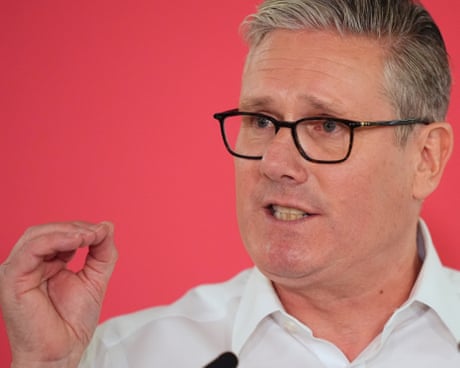
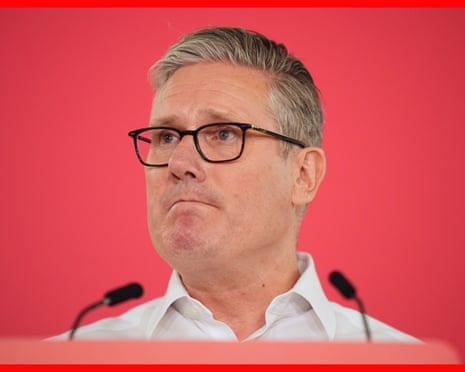
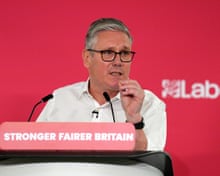
Starmer’s Monday morning speech at a London community centre aimed to steady the ship. Arriving in shirt sleeves and without a tie, his furrowed brow reflected the gravity of the moment. Addressing Labour members, he acknowledged widespread frustration—not only among the public but within his party.

“I take responsibility for not walking away, not plunging our country into chaos, as the Tories did time and again,” Starmer declared, emphasizing his determination to avoid repeating past turbulence. He conceded that many doubted his leadership but vowed to prove them wrong.

However, the prime minister’s message did little to quell the growing dissent. Many MPs viewed his speech as too little, too late, criticizing the lack of concrete solutions and a roadmap for change. One backbencher summed up the mood: “Keir said incremental change won’t cut it. But we’ve been in power almost two years. If he really understood the scale of response needed, he’d have talked about it before now.”

Internal Revolt: Labour MPs Demand Leadership Transition
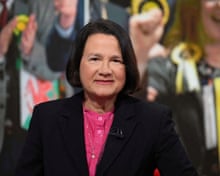
The unrest quickly escalated beyond rhetoric. Labour backbench MP Catherine West, initially positioning herself as a leadership contender, pivoted to calling for an orderly transition. She announced she was collecting signatures from MPs urging Starmer to set a timetable for a new leader’s election by September.

By evening, more than 70 Labour MPs—including some junior frontbenchers—had publicly demanded Starmer’s resignation. This growing chorus of dissenters, many aligned with former Greater Manchester Mayor Andy Burnham, signaled a coordinated push to pressure the prime minister into stepping aside.
Burnham’s supporters express frustration over his inability to challenge Starmer formally, as he remains outside Parliament and blocked from contesting recent by-elections. Still, their strategy aims to force Starmer to facilitate Burnham’s return, capitalizing on apparent softening from Labour’s ruling national executive committee, which had previously blocked Burnham’s candidacy.
Meanwhile, Angela Rayner, long considered a potential successor despite recent controversies, has seen her influence among soft-left MPs wane. Her Monday remarks stopped short of calling for Starmer’s exit but criticized the decision to block Burnham from standing, hinting she might now support him.

Senior Cabinet Divisions and the Looming Leadership Challenge
Starmer’s troubles extended to his cabinet, where senior figures like Yvette Cooper (Foreign Secretary), Shabana Mahmood (Home Secretary), John Healey (Defence Secretary), and David Lammy (Deputy Prime Minister) reportedly urged him toward an “orderly” leadership transition. Others, such as Richard Hermer and Steve Reed, encouraged him to resist calls for resignation.
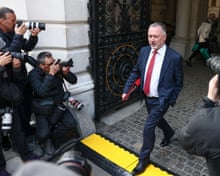
Labour’s shadow health secretary, Streeting, remained publicly silent but was rumored to be preparing for a leadership bid if Starmer’s position collapses. Despite assurances from his allies that he would not precipitate a coup, his proximity to the unfolding crisis suggests an imminent challenge could be on the horizon.

Starmer’s closest supporters urged calm, warning that abrupt leadership changes just 20 months into power threaten credibility and stability. Yet, the escalating demands for his exit reveal deep fractures within Labour and a party grappling with its identity and future direction.


Why This Matters: Labour’s Future and UK Political Stability
The internal upheaval within Labour comes at a critical juncture for British politics. After a crushing election loss last Thursday, the party’s authority has been severely undermined. Starmer’s inability to unify his MPs or present a clear strategy exacerbates public perceptions of instability.
The prospect of a leadership challenge so early in Starmer’s tenure poses risks beyond the party. Frequent leadership turmoil can erode voter confidence, hinder effective governance, and create openings for opposition parties to capitalize on Labour’s divisions.
Moreover, the emergence of figures like Burnham and the shifting allegiances of key players such as Rayner underscore a broader reckoning within Labour. The party is wrestling with how to balance calls for bold change against the risks of further fracturing its base.

Looking Ahead: A Party at a Crossroads
As Monday closed, Starmer’s position remained precarious. Although those demanding his resignation represented roughly 15% of Labour’s parliamentary party, the momentum behind their cause suggested more could follow.
The prime minister’s challenge is clear: he must either consolidate support and articulate a compelling vision for renewal or face an escalating leadership battle that threatens to engulf the party.
Labour’s trajectory in the coming weeks will not only shape its own future but also the broader political landscape in the UK. Stability, unity, and clear leadership have never been more crucial.

Full details have not yet been released.