

Keir Starmer stands at a critical crossroads after a series of stinging electoral defeats that have rattled the Labour Party’s confidence and energized his critics within the ranks. The message from senior party figures is blunt and clear: immediate transformation is necessary if Labour is to regain momentum and public trust.
Election Losses Highlight Growing Party Frustration
Labour’s recent election performance has been described by insiders as a “slow motion car crash,” with significant losses across multiple constituencies shaking the party’s foundation. These setbacks are not merely disappointing; they reveal a widening disconnect between Labour’s leadership and millions of voters who have made it clear that the party’s direction under Starmer’s 22-month tenure has failed to inspire.
What makes these losses especially painful is the identity of some of the victors. Nigel Farage, often dismissed within Labour circles as a flamboyant performer with controversial views, has managed to capture seats from Labour candidates. Meanwhile, in other regions, Labour ceded ground to less predictable opponents such as Zack Polanski, a former hypnotist turned Liberal Democrat, who has carved out a surprising foothold.
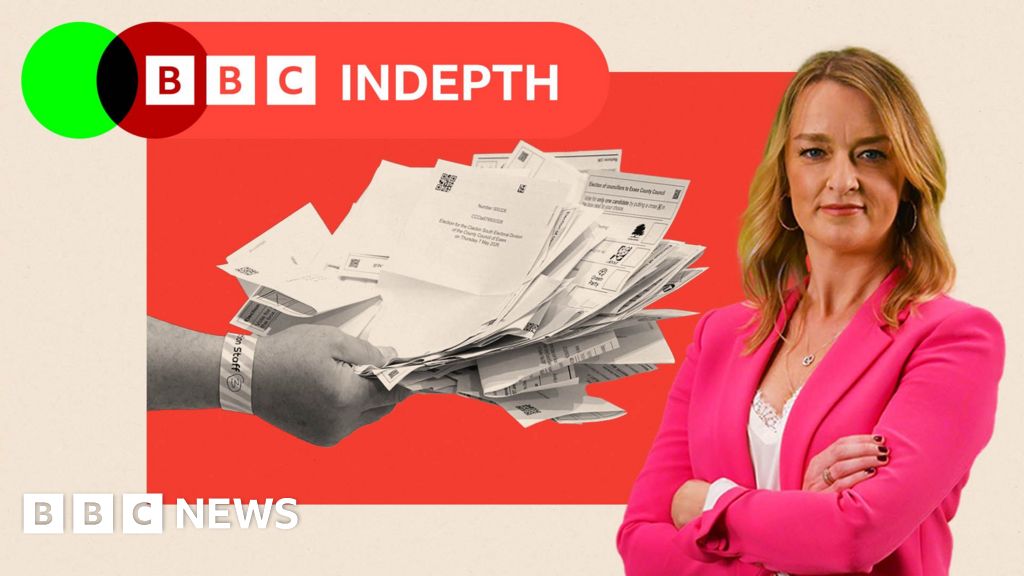
These developments have not gone unnoticed inside the party. Even Starmer’s most loyal ministers are voicing concern, urging him to adapt strategies and policies quickly. A senior minister put it plainly: “Over to you, Keir.” This statement underscores the urgency with which Labour insiders believe change must occur — not just cosmetic adjustments, but real, substantive shifts that reconnect the party with its base.
Pressure Mounts from Labour’s Powerful Unions
The unions, which have historically been Labour’s backbone and continue to bankroll the party, have also stepped forward with stark warnings. One union leader characterized the situation as a “slow motion car crash” and demanded “a concrete promise that things will change.” This pressure from key stakeholders amplifies the internal call for Starmer to demonstrate decisive leadership and a clear vision for Labour’s future.
These unions play a critical role not only in funding but also in mobilizing grassroots support and shaping Labour’s policy agenda. Their dissatisfaction signals potential challenges ahead if the party fails to recalibrate its approach. The unions’ call for accountability reflects widespread concerns that Labour risks alienating both traditional supporters and swing voters if it continues on its current trajectory.
Why This Moment Matters for Labour and Starmer
Labour’s recent electoral losses and internal dissent highlight a pivotal moment for both the party and its leader. Keir Starmer, known for his determination and resilience, now faces the formidable task of reversing declining support amid growing skepticism from his own ranks. The stakes are high — failure to respond effectively could deepen Labour’s woes and jeopardize its position as the main opposition force in British politics.
The party’s ability to address these challenges hinges on Starmer’s capacity to listen, adapt, and present a compelling alternative to the current government. This means not only refining policies but also rebuilding connections with voters disillusioned by what they perceive as inertia or lack of clear direction.
Moreover, Labour’s struggle underscores broader political dynamics in the UK, where populist figures like Farage have disrupted traditional party loyalties. The emergence of unconventional candidates such as Polanski also reflects a fluid political landscape where voter allegiance is increasingly volatile and issue-driven.
For Labour, the path forward involves more than just winning back lost seats; it requires redefining its identity and reaffirming its commitment to the values and policies that resonate with a diverse electorate. Starmer’s next moves will be closely scrutinized by party members, union leaders, and the public, all eager to see if he can translate resolve into results.
Looking Ahead: A Test of Leadership and Vision
The coming months will prove critical for Keir Starmer and the Labour Party. With mounting pressure from within and without, the leader must craft a strategy that not only halts the party’s decline but also reinvigorates its appeal. This involves engaging with the concerns voiced by unions and MPs alike, and presenting a forward-looking agenda that addresses the economic and social challenges facing voters.
Ultimately, the Labour Party’s resilience and Starmer’s leadership will be tested by their ability to learn from recent setbacks and pivot decisively. The party’s future influence in British politics depends on whether it can harness this moment of reckoning to forge a stronger, more united front capable of challenging the government and winning back public confidence.
Full details on Labour’s internal discussions and forthcoming policy shifts have yet to be announced, but the urgency for change is unmistakable.