

Labour MPs are confronting mounting demands from their local party members who insist on a competitive leadership contest rather than an uncontested elevation of Andy Burnham as the next prime minister. This internal tension highlights a significant divide within the party ranks about how the leadership transition should unfold.
Local Members Demand a Democratic Leadership Contest
These members emphasize the importance of debating different visions for the party’s direction, especially as Labour prepares to face formidable challenges nationally. The pushback suggests that party members want a genuine choice, rather than being presented with a predetermined outcome that could undermine enthusiasm and engagement.
On the other hand, some Labour MPs believe that rallying behind Burnham swiftly could present a united front, critical for restoring confidence after recent political upheavals. They argue that a protracted leadership battle risks further factionalism and could damage the party’s electoral prospects.
Why the Leadership Contest Debate Matters
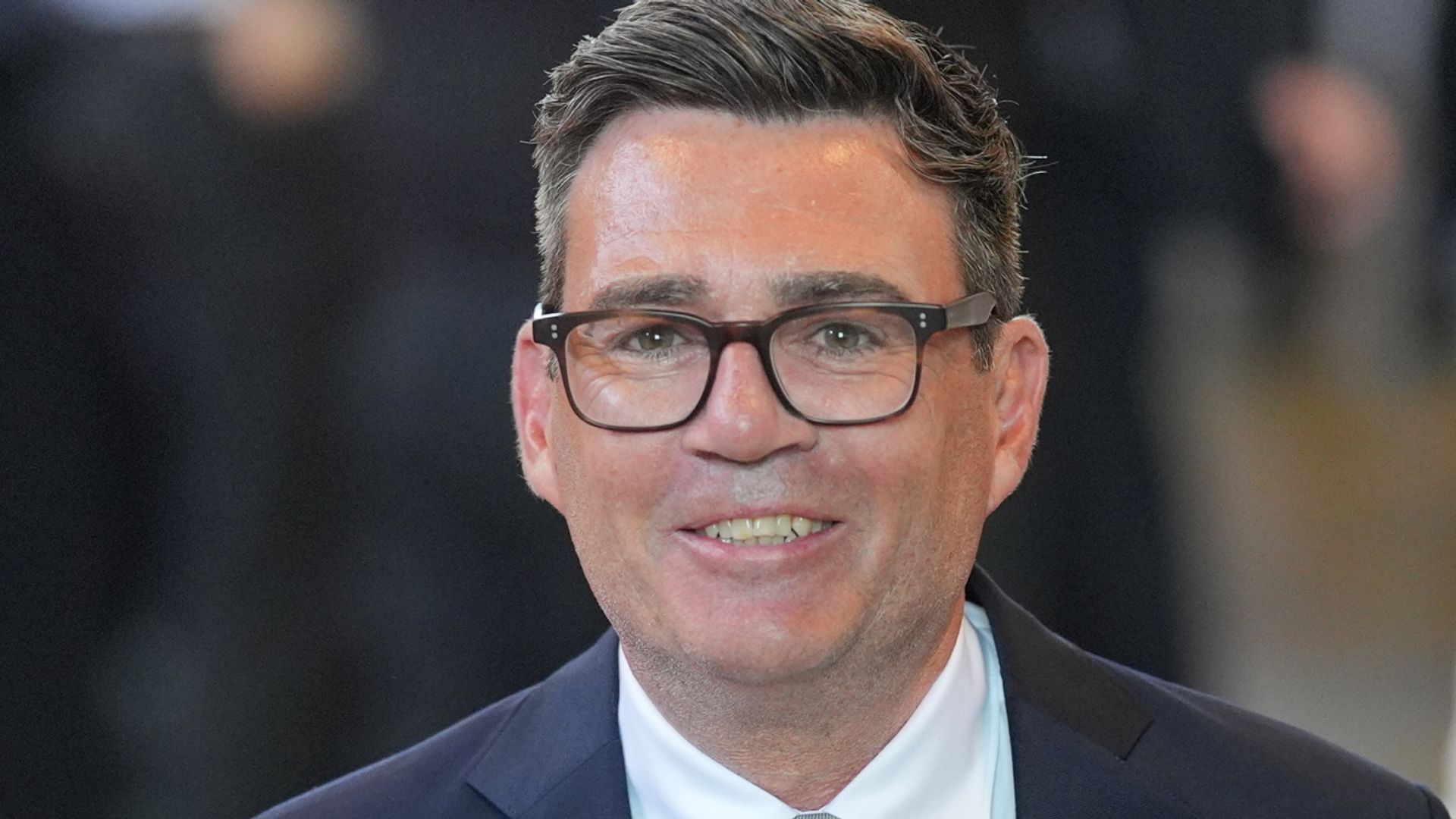
The debate over whether to hold a leadership contest or proceed with a coronation is more than procedural—it reflects deeper questions about Labour’s identity and strategy. Andy Burnham, a prominent figure with a strong track record as Mayor of Greater Manchester and former Shadow Secretary of State, is widely regarded as a frontrunner for the party’s top job. However, the party’s grassroots members seek assurances that their voices will be heard in selecting the leader who will shape Labour’s future policies and priorities.
This tension reveals a balancing act between party unity and internal democracy. A leadership contest could foster robust policy discussions and increase public interest in Labour’s platform, potentially revitalizing the party’s image. Conversely, a coronation might streamline the transition but risk alienating those who feel excluded from the decision-making process.
Labour’s internal dynamics come at a crucial moment. The party is recovering from recent electoral disappointments and navigating shifting political landscapes, including debates on economic policy, social justice, and national governance. The leadership selection process will signal how Labour intends to position itself for the next general election and beyond.
What Comes Next for Labour’s Leadership
As the party wrestles with these competing pressures, Labour MPs must carefully weigh the demands of their local members against the strategic imperative to present a cohesive leadership team. How the party resolves this issue will influence not only its internal cohesion but also public perception.
Should Labour opt for a leadership contest, it may open the door for other candidates to emerge, each bringing distinct policy perspectives and support bases. This could invigorate internal debate and provide voters with a clearer understanding of Labour’s direction. Alternatively, confirming Burnham as leader without contest could expedite the party’s renewal efforts but risks igniting discontent among activists who feel sidelined.
Ultimately, the process will test Labour’s commitment to democratic principles within the party and its ability to unify around a compelling vision for the country’s future.
Looking Ahead: The Stakes for Labour
The outcome of this leadership selection will resonate far beyond internal party politics. It will shape Labour’s strategy in confronting the incumbent government and influence its appeal to a broad electorate. Ensuring an inclusive and transparent process could strengthen Labour’s legitimacy and energize supporters, essential factors for electoral success.
For Labour MPs and members alike, the leadership transition represents a pivotal moment to reaffirm the party’s values and ambitions. Balancing unity with democracy will be key to navigating this critical juncture and positioning Labour as a credible alternative in UK politics.