

The Labour Party faces a pivotal crossroads: to regain the voters it has lost to Reform and the Greens, it must embrace bold economic reforms, including cutting national insurance contributions and fundamentally overhauling capital gains tax, according to a new report. These recommendations signal a strategic shift aimed at revitalizing Labour’s appeal in a fiercely competitive political landscape.
The Urgency of Radical Economic Change
Labour’s traditional voter base has been eroding, with significant numbers drifting toward parties like Reform and the Greens. The report underscores that incremental policy adjustments will not suffice to reverse this trend. Instead, Labour must adopt sweeping reforms that directly impact everyday financial burdens on working people and investors alike.
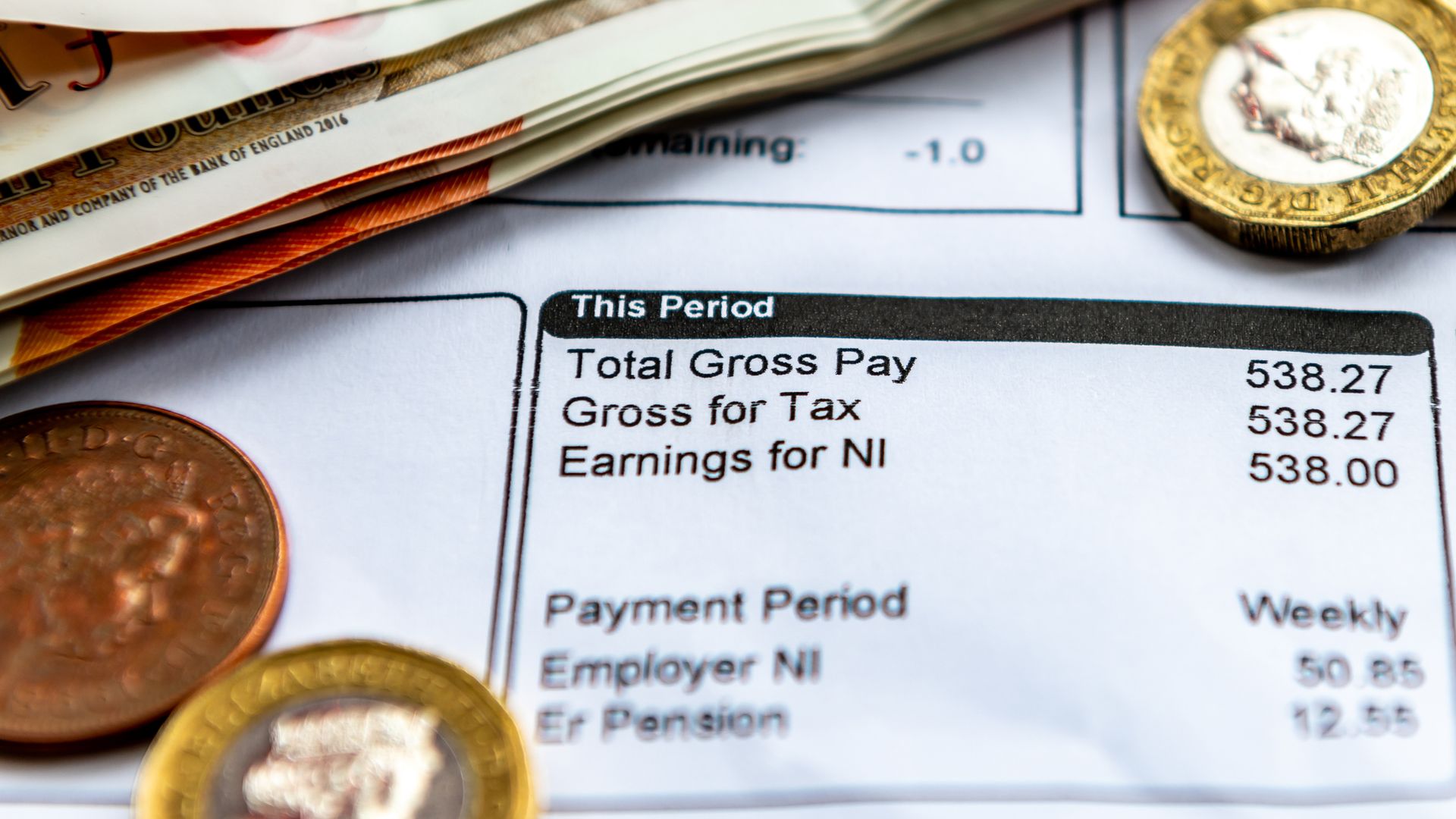
Central to the report’s argument is the call to reduce national insurance—a tax directly affecting employees and employers—which, if cut, could increase take-home pay and stimulate economic activity. This measure is positioned as a cornerstone for Labour to reconnect with voters concerned about living costs and job security.
Overhauling Capital Gains Tax: A Strategic Move
The report also advocates for a comprehensive overhaul of capital gains tax (CGT), a levy on profits from the sale of assets such as property and shares. Reforming CGT is seen as essential to addressing perceived inequalities in the tax system and encouraging investment while ensuring fairness.
By reshaping CGT, Labour could appeal to a broader demographic, including middle-income earners and small business owners who feel the current system is either too punitive or fails to capture wealth effectively. The report suggests that a balanced approach to CGT reform would demonstrate Labour’s commitment to economic justice and growth.
Why These Reforms Matter for Labour’s Future
Labour’s electoral challenges stem from shifting voter priorities and the rise of alternative parties promising fresh solutions. The Reform Party typically champions lower taxes and economic liberalism, while the Greens focus on climate action and social justice. Labour’s opportunity lies in crafting a platform that addresses economic concerns without alienating its core progressive supporters.
Cutting national insurance would directly reduce the financial strain on workers and businesses, potentially boosting Labour’s credibility as a party focused on practical economic relief. Simultaneously, revising capital gains tax could position Labour as a champion of fairness and fiscal responsibility, bridging divides between different voter groups.
Looking Ahead: Labour’s Path to Relevance
The report’s recommendations highlight a critical juncture for Labour. Embracing these reforms requires political courage and a clear communication strategy to convey the benefits to the public. If Labour succeeds, it could rebuild trust among disillusioned voters and strengthen its position ahead of future elections.
Ultimately, the report makes clear that Labour’s survival and success depend on its willingness to enact substantial economic reforms that resonate with the realities faced by ordinary New Zealanders. Without such decisive action, Labour risks further erosion of its support base and diminished influence in shaping the country’s future.