

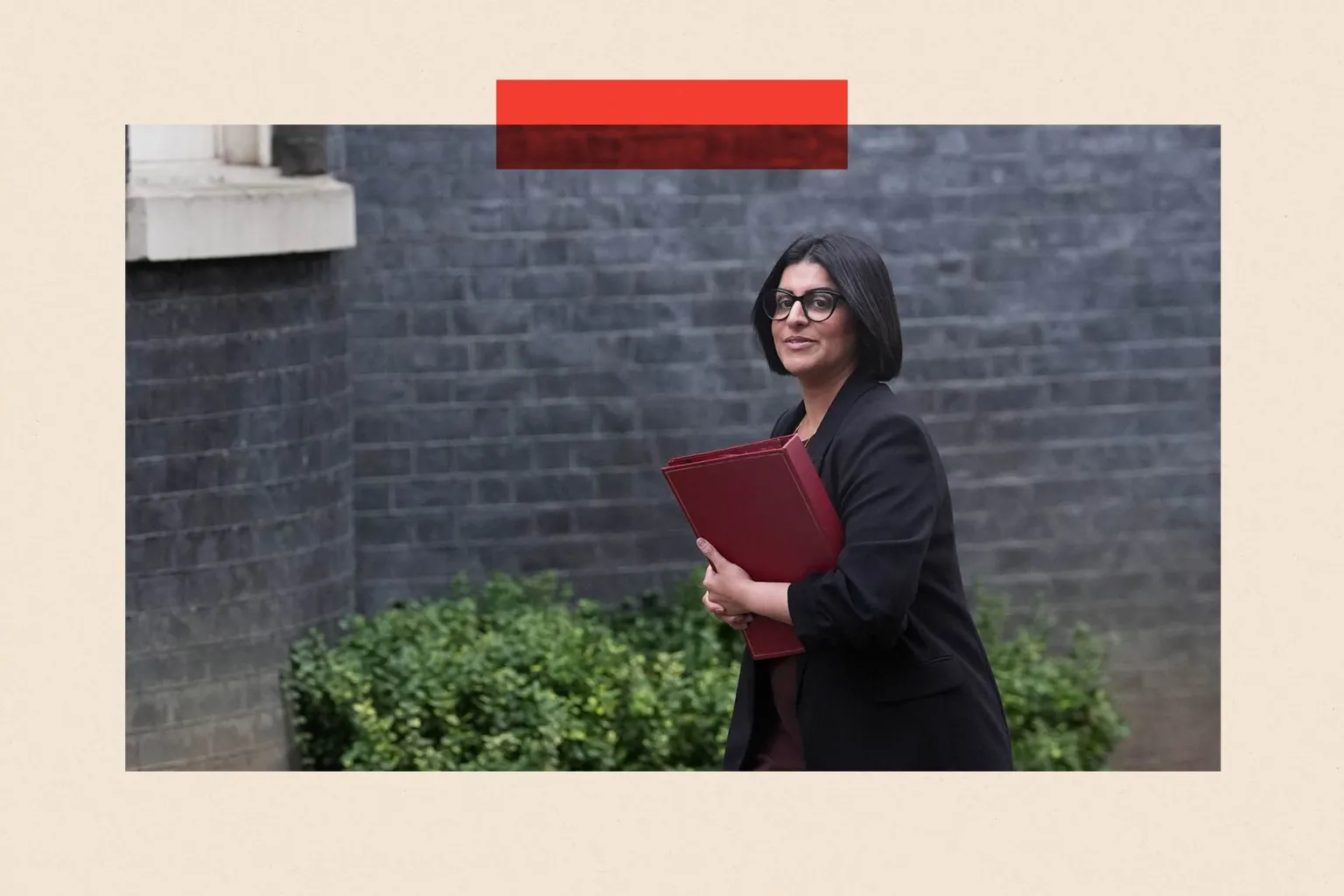
The UK faces an escalating epidemic of “everyday crime” — shoplifting, phone theft, and burglaries are surging despite an overall decline in crime rates. This troubling trend has stirred public anxiety and shaken confidence in law enforcement. Home Secretary Shabana Mahmood is now spearheading an ambitious shake-up of policing, aiming to transform a system that many agree is no longer fit for purpose. But can structural overhaul truly resolve the deep-rooted challenges of crime and public trust?

The Growing Crisis of Everyday Crime
While headline-grabbing violent crimes often dominate the news, it’s the steady rise in everyday offences that many citizens feel acutely. Shopkeepers like Shabana Mahmood, who recalls working behind the till in her parents’ corner shop armed with a cricket bat to deter repeat shoplifters, understand the frustration and fear that come with these petty but persistent crimes.
Voters frequently ask: “Will I have my phone stolen? Will my home be burgled? And if so, will the police even respond?” These questions reflect a fundamental expectation of government — to keep communities safe and provide swift, effective policing.
Compounding public concern are recent police scandals and operational failures. The West Midlands Police force, in particular, has faced criticism for mismanagement and ethical breaches, including the controversial refusal of its chief constable to resign amid mounting pressure. Such incidents have further eroded trust in law enforcement’s capacity and accountability.
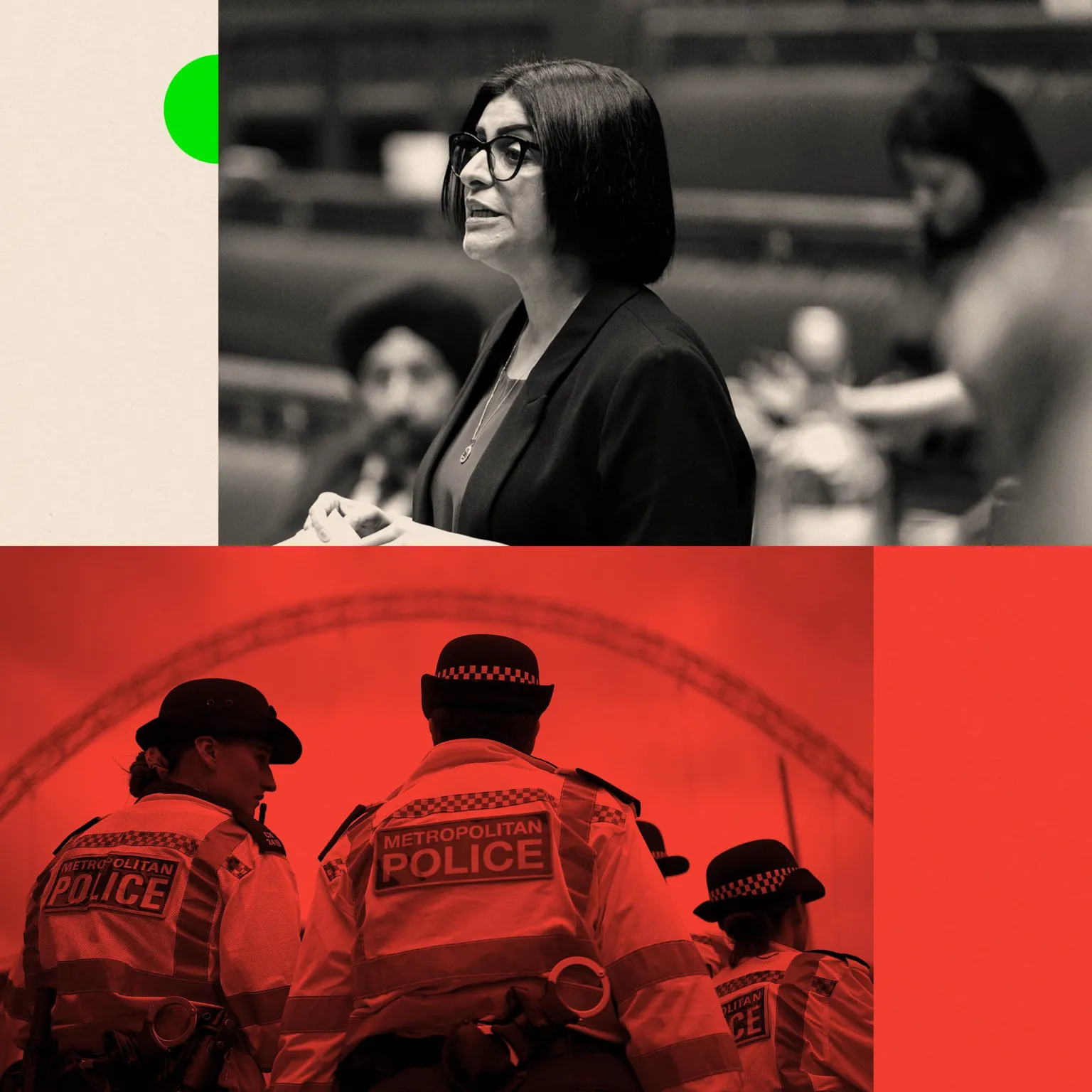
Mahmood’s Bold Vision for Police Reform
Shabana Mahmood is preparing to unveil what she calls the most significant reform of policing in England and Wales in over 200 years. Her blueprint includes a dramatic reduction in the number of police forces — from the current 43 down to roughly a dozen — aiming to streamline operations, cut costs, and improve coordination.
The reforms also propose introducing professional licences for police officers, akin to those held by doctors and lawyers, requiring periodic renewal to ensure standards. Ministers would gain authority to dismiss underperforming Chief Constables and deploy specialist intervention teams to failing forces.
Perhaps the most sweeping change is the planned creation of a single, large national policing body. This mega force would merge the National Crime Agency (NCA), counter-terrorism units currently under the Metropolitan Police, and other national policing elements into one centralized organization. The Home Office has withheld full details, but insiders suggest this “super-agency” would tackle the increasingly international and complex nature of serious and organized crime.
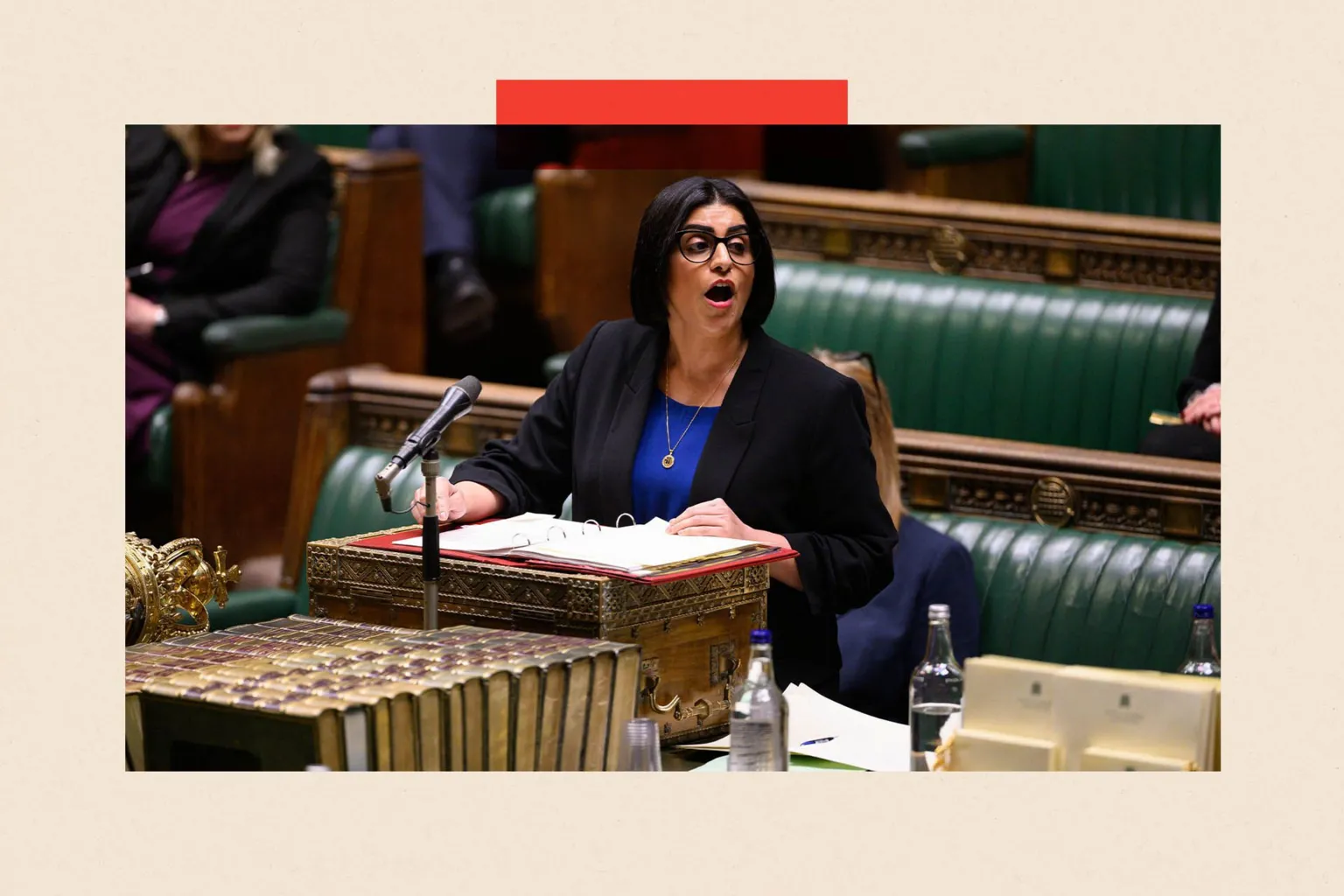
Why Bigger and Smaller Must Coexist
A former Home Secretary explains the rationale: local police forces struggle to contend with international criminal networks involved in trafficking and financial crime. Thus, the police must be “both bigger and smaller” — larger, consolidated forces at the national level to handle sophisticated crime, and leaner, more focused local forces to maintain community ties.
Financial pressures also underpin the reforms. The Home Office budget, though substantial, has faced constraints. Consolidating forces promises economies of scale — for example, joint procurement of equipment and IT services — potentially saving taxpayers millions.
The current landscape, critics argue, is cluttered with overlapping national initiatives. A unified national body working alongside streamlined local forces could deliver clearer accountability and more effective crime-fighting strategies.
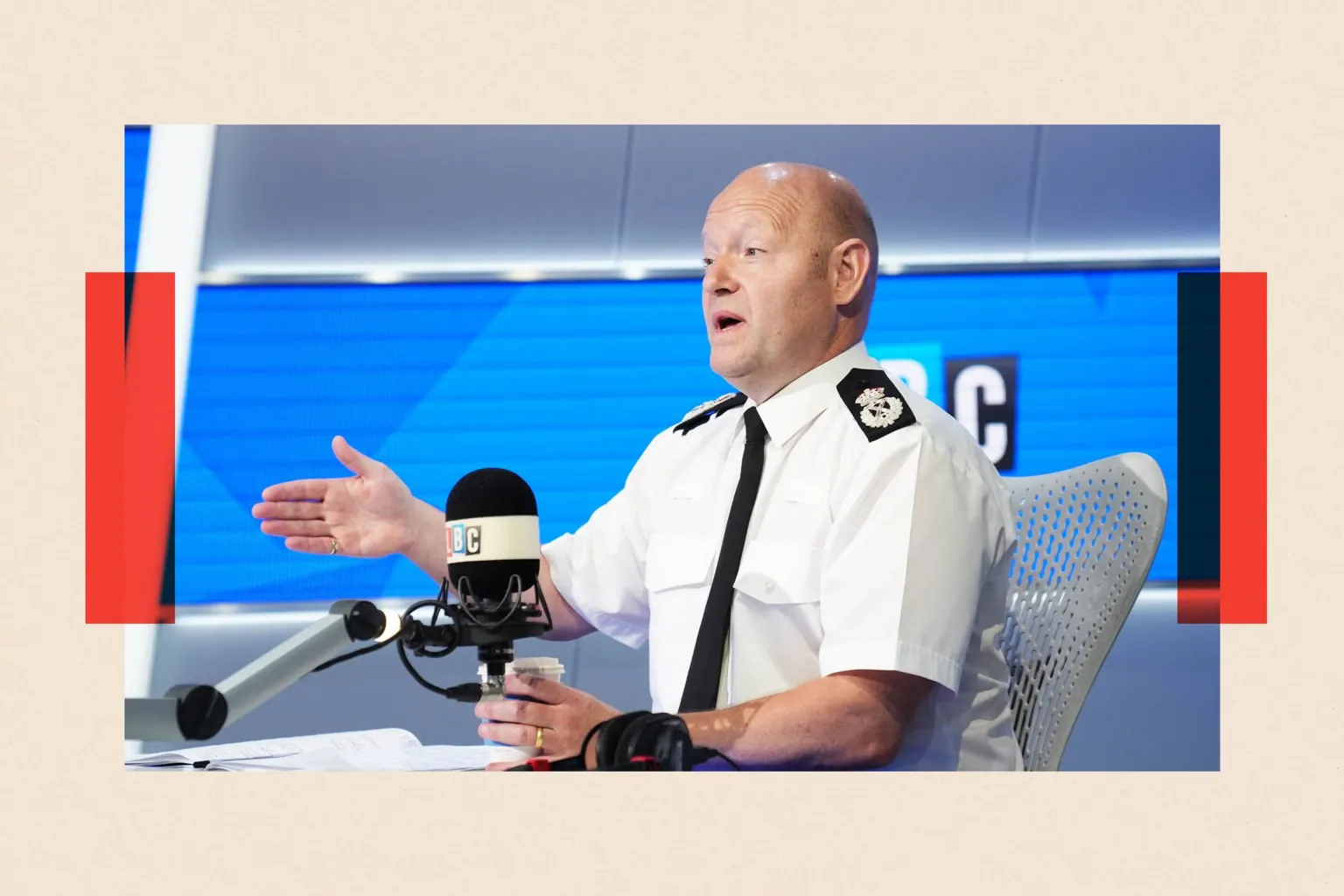
Challenges and Controversies Ahead
Labour’s previous attempt to reduce police forces in the early 2000s met fierce resistance from police unions, opposition politicians, and local communities. The Conservatives now echo skepticism, questioning whether fewer forces genuinely improve crime outcomes or public safety.
Scotland’s 2013 merger into a single national force saved hundreds of millions but has not been free of problems, including concerns over diminished local connections and operational issues. Critics warn that mega forces risk becoming too remote from the communities they serve.
Moreover, direct ministerial control over Chief Constables raises thorny questions about the independence of policing. By law, police forces in the UK operate independently from political interference. Centralizing authority could strain this principle, potentially politicizing policing decisions.
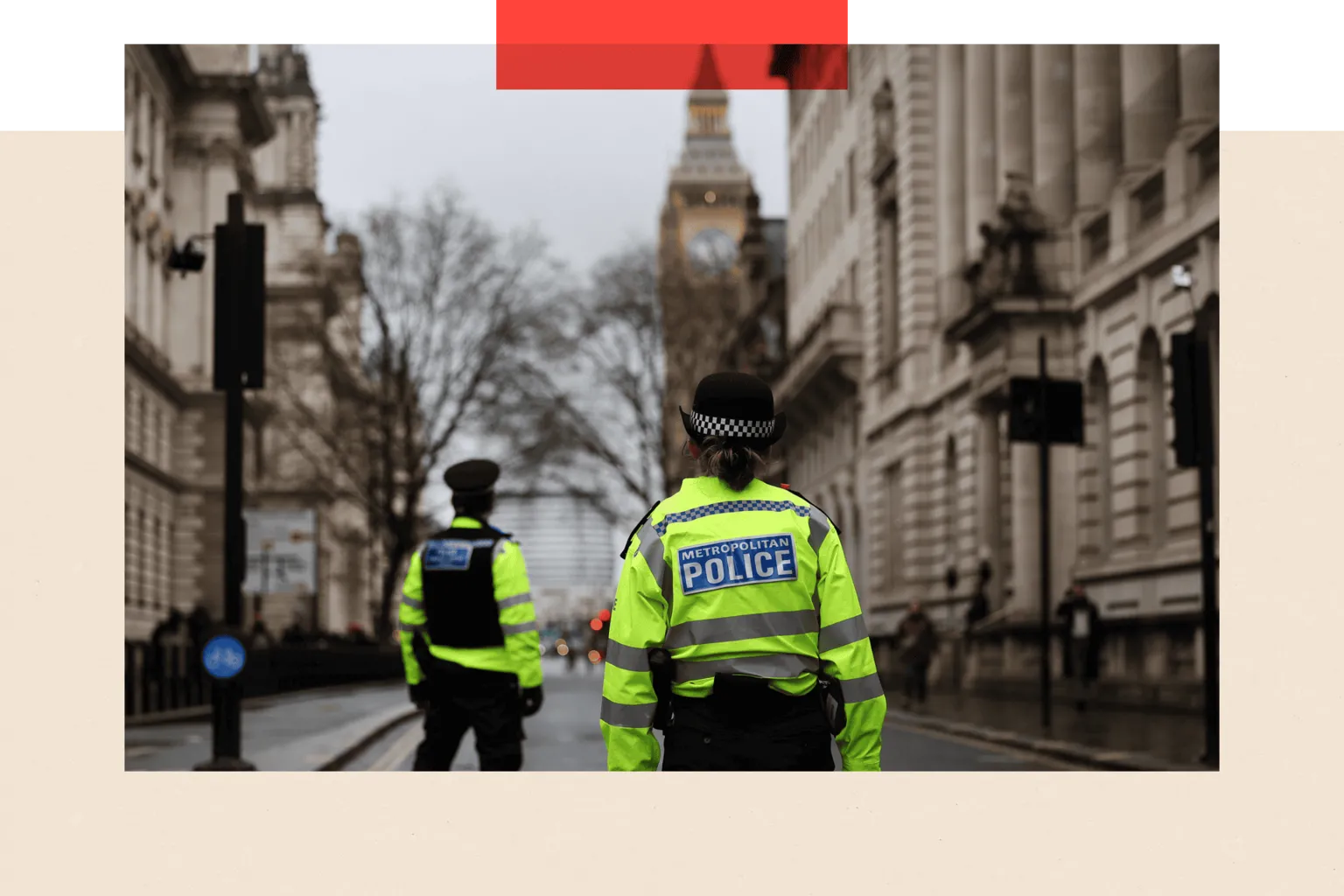
The Police Federation, representing rank-and-file officers, expresses apprehension about morale and practical impact. They argue that officers are already overworked and under-resourced, with rising resignations, assaults, and mental health struggles. Licensing requirements might add pressure without addressing fundamental workforce shortages and wellbeing.
Implementation will be gradual. The Home Office plans consultations to build consensus and avoid the political bruising of past reforms. Yet, even supporters acknowledge the reforms carry high political risk and uncertain public reward.
What This Means for Policing and Communities
Policing in England and Wales stands at a crossroads. The rise in everyday crime undermines public confidence and strains resources. Mahmood’s reforms aim to modernize an antiquated system, blending national scale with local focus to meet evolving criminal threats.
However, success hinges on balancing efficiency with community trust, preserving operational independence while enhancing accountability, and supporting officers’ wellbeing amid growing demands.
Whether these sweeping changes will restore faith in the police and reduce the “epidemic” of everyday crime remains to be seen. But one thing is clear: the status quo no longer satisfies a public desperate for safer streets and a more responsive police service.
The road ahead will test political will, police leadership, and the resilience of communities — with the stakes higher than ever.
