

Leominster faces a growing crisis as river pollution devastates the local environment, disrupts housing availability, and threatens the town’s economy. The contamination of the River Lugg, a vital natural asset, has sparked widespread concern among residents and local officials. This environmental damage has forced some families into unsuitable living conditions and cast a shadow over Leominster’s future prosperity.
Environmental Damage and Its Impact on Housing
The town council of Leominster has voiced strong support for a moratorium addressing the pollution, but acknowledges the town has already suffered significant harm. Mayor Tessa Smith-Winnard highlights the dual pressures faced by the community: young families struggle to find affordable, suitable housing, while older residents mourn the loss of local wildlife and natural beauty.
“Young families are concerned about the lack of housing, older people are concerned about the loss of wildlife,” Smith-Winnard explained. “People can’t find a house, so they have to continue to live in unsuitable housing or remain with family members when they really need their independence.”
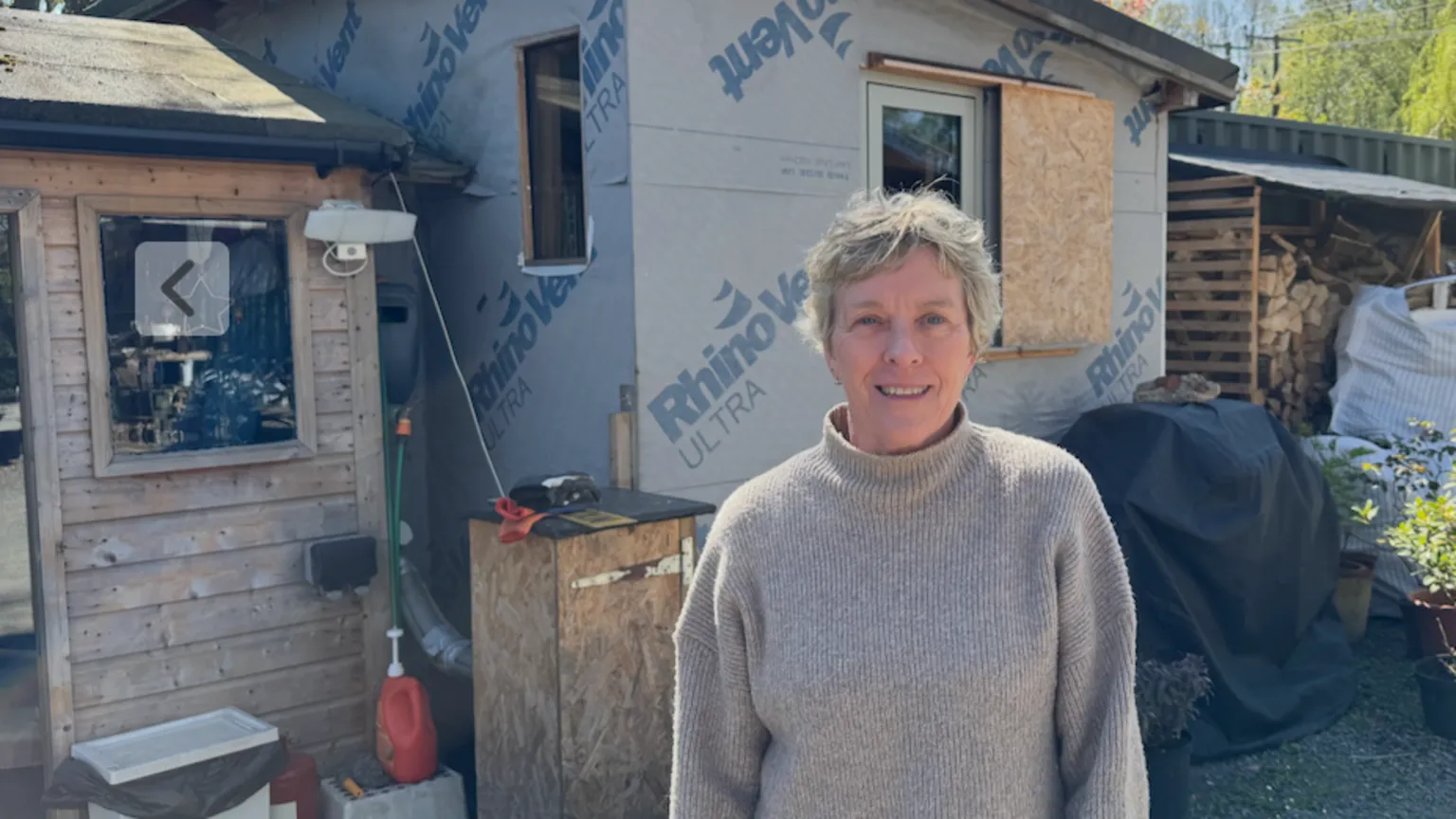
Pollution in the river has contributed to these housing challenges by limiting development opportunities. Many potential housing sites are now restricted due to environmental regulations, leaving residents trapped in overcrowded or substandard living situations. The mayor’s words underscore a community grappling with both ecological and social consequences.
Economic Consequences: Tourism and Local Businesses at Risk
Leominster’s economy relies heavily on tourism, with the town’s shops, pubs, and restaurants benefiting from visitors drawn to the area’s natural beauty. However, the polluted River Lugg threatens this source of income. Mayor Smith-Winnard warns that a contaminated river deters tourists and outdoor enthusiasts alike.
“More people living in the town would help the shops, pubs, and restaurants,” she said. “Tourism is a big boost to our local economy, but who would want to canoe or swim in a dirty river?”
The river’s declining health has a ripple effect on the broader community, dampening economic growth and reducing the quality of life for residents. The environmental degradation not only harms wildlife but also erodes the appeal of Leominster as a destination for recreation and relaxation.

Legal Action and Calls for Urgent Intervention
Leominster Town Council has taken a firm stance by supporting a legal case that attributes the pollution in the Rivers Lugg, Wye, and Usk to specific causes. Allegations focus on the spreading of chicken manure as fertilizer and the release of untreated human sewage into the waterways. These practices have led to the contamination of vital water resources, sparking widespread alarm.
Mayor Smith-Winnard emphasizes the urgency of the situation: “When you live this close to beautiful countryside, you’re aware when it’s starting to fail and a lot of people are very concerned about the state of the Lugg. Something has to be done, these are natural resources, if they’re not looked after they won’t come back.”
The council’s backing of the legal case represents a critical step toward holding polluters accountable and restoring the health of the rivers. It also signals a broader commitment to safeguarding Leominster’s environment and, by extension, its social and economic well-being.
Looking Ahead: The Future of Leominster Depends on Clean Water
The pollution crisis in Leominster is more than an environmental issue—it is a community challenge with far-reaching implications. The contamination of the River Lugg jeopardizes housing availability, disrupts local economies, and threatens the natural heritage residents cherish. Addressing these problems requires coordinated action from local authorities, environmental agencies, and the agricultural sector.
Leominster’s experience serves as a stark reminder of how environmental neglect can cascade into social and economic distress. Protecting river health is essential not only for preserving wildlife but also for ensuring that residents can live in safe homes and that businesses can thrive.
As the town pushes for legal and practical solutions, the message is clear: safeguarding natural resources is crucial to securing a sustainable and prosperous future for Leominster and its residents.