

A tragic incident unfolded on a National Trust estate when a man in his 70s suffered fatal injuries after an encounter with cattle. This heartbreaking event raises important questions about safety measures in rural public spaces frequented by visitors and walkers.
What Happened on the National Trust Estate?
During a visit to a National Trust property, a man in his seventies was seriously injured by cattle. Despite emergency efforts, he ultimately succumbed to his injuries. Authorities have confirmed the incident took place on land managed by the National Trust, an organization dedicated to preserving historic sites and natural landscapes across the UK.
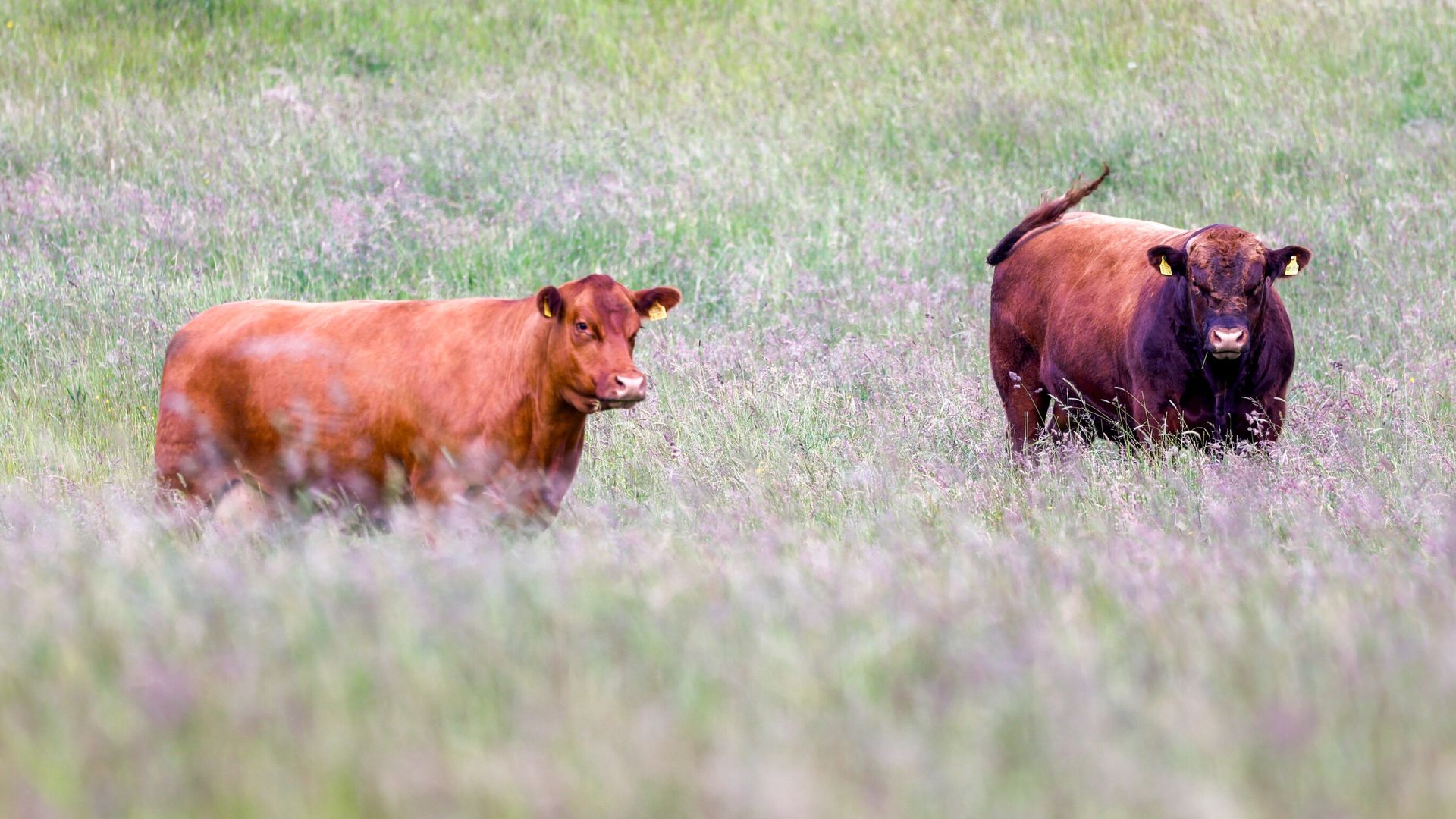
Cattle on National Trust estates are commonly part of conservation grazing programs or traditional farming operations. However, interactions between livestock and visitors can pose risks, especially if animals feel threatened or protective of their young. This fatality highlights how unpredictable these encounters can be.
Why This Incident Matters: Safety in Rural Public Spaces
National Trust estates attract millions of visitors annually who come to enjoy the countryside, historic buildings, and walking trails. While these spaces offer a vital connection to nature and heritage, they also present inherent dangers, including encounters with wildlife and farm animals.
Livestock such as cows and bulls can behave unpredictably, especially during calving seasons. Visitors may not always be aware of how to safely navigate fields containing cattle or understand the warning signs of aggressive behavior. This tragic death underscores the critical need for clear safety guidance and effective risk management on public lands.
The National Trust and similar organizations face the complex challenge of balancing public access with animal welfare and visitor safety. Ensuring that people can enjoy these environments without unnecessary risk requires ongoing vigilance, education, and potentially enhanced safety protocols.
What Comes Next: Preventing Future Tragedies
In the wake of this fatal incident, there will likely be calls for a thorough review of safety measures on National Trust properties and other rural estates. This may include:
- Improved signage warning visitors of the presence of cattle and how to behave safely around them.
- Public education campaigns emphasizing best practices when walking through fields with livestock.
- Potential restrictions or alternative routes during high-risk periods such as calving season.
- Staff training and increased monitoring to promptly respond to dangerous situations.
Authorities and the National Trust are expected to collaborate closely to investigate the circumstances surrounding the attack and identify steps to prevent similar tragedies. This incident serves as a somber reminder of the dangers that can exist in rural leisure environments.
Understanding the Broader Context
The National Trust oversees over 500 heritage sites and nearly 250,000 hectares of land across England, Wales, and Northern Ireland. Many of these locations include working farms where conservation grazing is used to maintain the landscape. Livestock plays a crucial role, but managing visitor safety remains a top priority.
Deaths resulting from cattle attacks, while rare, have occurred in the UK and often involve people unaware of the risks. The tragic loss of this elderly man highlights the importance of respecting wildlife and farm animals, staying alert, and following safety advice during countryside visits.
Final Takeaway: Balancing Access and Safety in the Countryside
This fatal attack on a National Trust estate is a stark warning about the potential hazards posed by livestock in public recreational areas. It emphasizes the urgent need for enhanced safety awareness among visitors and robust management strategies by estate operators.
As more people seek outdoor experiences, especially post-pandemic, ensuring these spaces remain safe and welcoming is vital. The National Trust and other organizations must continue to evolve policies that protect both visitors and animals, fostering a sustainable coexistence between humans and nature.
Full details of the incident and any subsequent investigations have not yet been released.