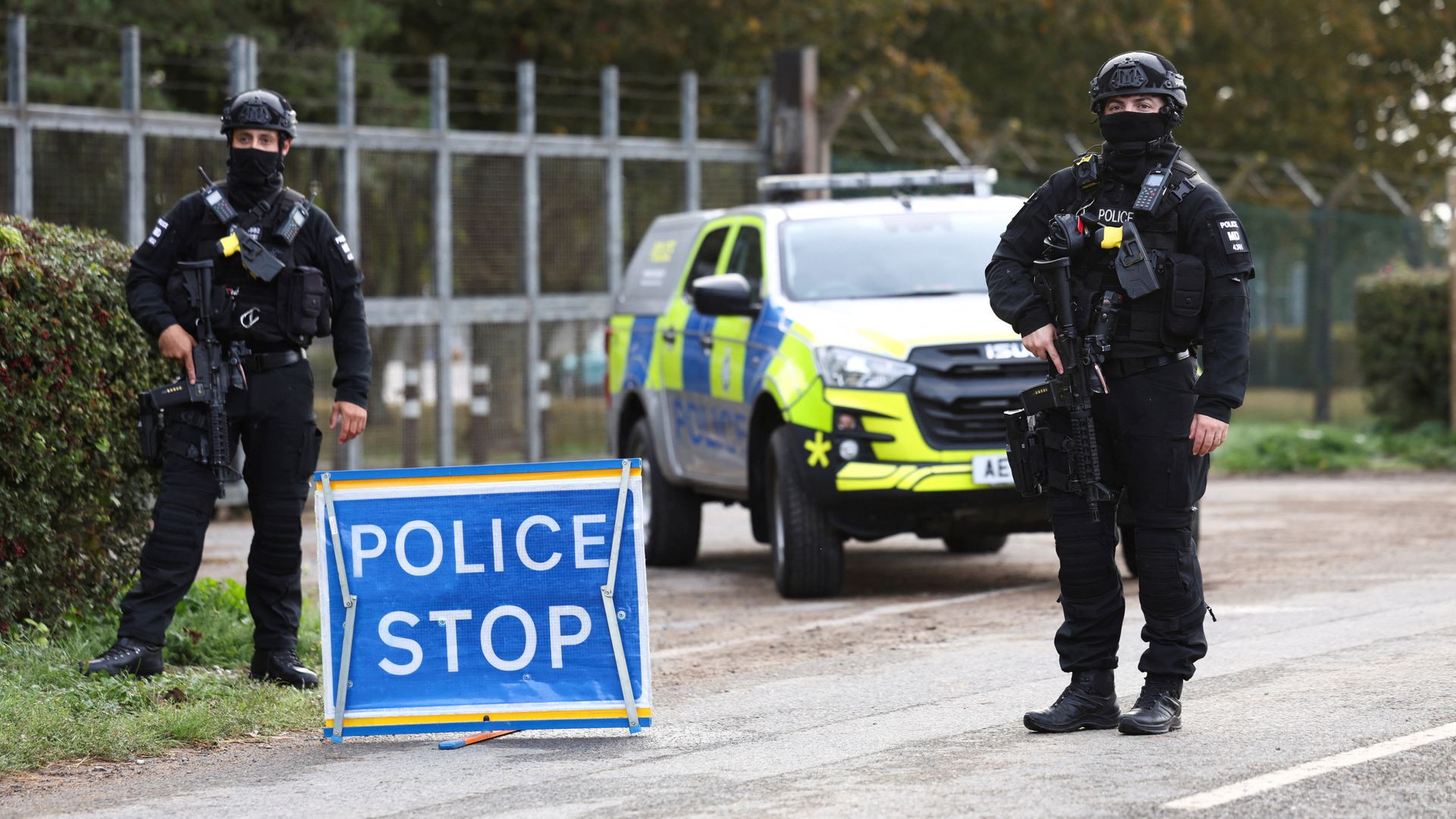
A chilling new layer has emerged in the investigation into the tragic Manchester synagogue attack: a committed jihadist closely linked to the attacker plotted an assault on a critical Ministry of Defence (MoD) site months before the fatal rampage. The disturbing connection between these two men reveals a broader, coordinated threat targeting national security.

The Terror Plot Uncovered: Planning a Strike on the UK Defence Academy
Mohammed Bashir, 31, played a pivotal role in a terror conspiracy with Jihad Al-Shamie, the man who later killed two worshippers during the October 2023 attack at the Heaton Park Hebrew Congregation synagogue in Manchester. Court proceedings have unveiled that Bashir drove Al-Shamie on a 10-hour round trip to conduct hostile reconnaissance at the UK Defence Academy in Shrivenham, near Swindon, less than two months before the synagogue assault.
This reconnaissance mission took place on 14 August 2023 and targeted the MoD site known for housing the Defence Academy, a key institution providing advanced military and security education to British Armed Forces personnel, government officials, and international students. With up to 4,000 staff, contractors, and visitors on site regularly, this location represents a high-value security target.
Following the reconnaissance, both men deliberately disposed of their mobile phones, attempting to erase traces of their communications. However, investigators later uncovered WhatsApp messages and voice notes exchanged between Bashir and Al-Shamie. These communications were recovered from two phones seized during Al-Shamie’s earlier arrests, revealing their shared commitment to violent jihad.
Linking Past Arrests and Terrorism Connections
Al-Shamie’s violent ideology had already brought him under police scrutiny prior to the synagogue attack. He was arrested twice in 2023 — once in February for allegedly breaching a non-molestation order, and again in September on suspicion of rape. It was during the examination of devices seized at these times that authorities discovered his exchanges with Bashir, shedding light on their terror-related plans.
Bashir, a Manchester-born man holding both UK and Pakistani citizenship, has no previous criminal convictions. He was arrested at Manchester Airport on 27 November 2023 but was not charged directly in connection with the synagogue attack. However, in a significant development last month, Bashir pleaded guilty to preparing terrorist acts, acknowledging his role in the plot to target the MoD facility.
Prosecutor Jonathan Polnay KC portrayed Bashir as a “long-standing, committed jihadist,” emphasizing the gravity of their intentions. “The attack that was being planned was of the sort that Jihad Al-Shamie in fact carried out on October 2, an attack involving weapons that would cause multiple fatalities and have national and international impact,” Polnay told the court. He added, “They were both interested in, and regularly discussed, violent jihad.”
Why This Matters: The Broader Threat to UK Security
The revelation that Bashir and Al-Shamie coordinated not only to attack a synagogue but also targeted a key MoD site underscores the complexity and scale of the terrorism threat facing the UK. The Defence Academy at Shrivenham is a hub for military strategy and training, making it a symbolically and operationally significant target for extremists aiming to destabilize national security.
While the Crown Prosecution Service confirmed no evidence links Bashir to the planning or execution of the synagogue attack itself, his involvement in reconnaissance and terror preparations highlights the networked nature of extremist plots. It also raises pressing questions about surveillance, intelligence sharing, and the effectiveness of preemptive counter-terrorism measures.
The two-day sentencing hearing for Bashir continues, as the court examines further details of his involvement and the broader implications for public safety.
Looking Ahead: Lessons and Security Implications
This case starkly illustrates the evolving tactics of terrorist operatives who not only commit acts of violence but also meticulously plan larger, coordinated assaults on critical infrastructure. The 10-hour reconnaissance journey to a high-profile Defence Academy reveals the operational planning behind such attacks and exposes vulnerabilities that security agencies must address.
The devastating synagogue attack itself — in which Al-Shamie drove into the synagogue gates before launching a knife assault that claimed two lives — remains a tragic reminder of the human cost of radicalization and terrorism. The involvement of an associate planning further attacks amplifies the urgency for robust, multi-agency counter-terrorism strategies.
As the legal proceedings advance, authorities and the public alike face the challenge of understanding and mitigating the multi-faceted nature of extremist threats to safeguard both communities and critical national institutions.