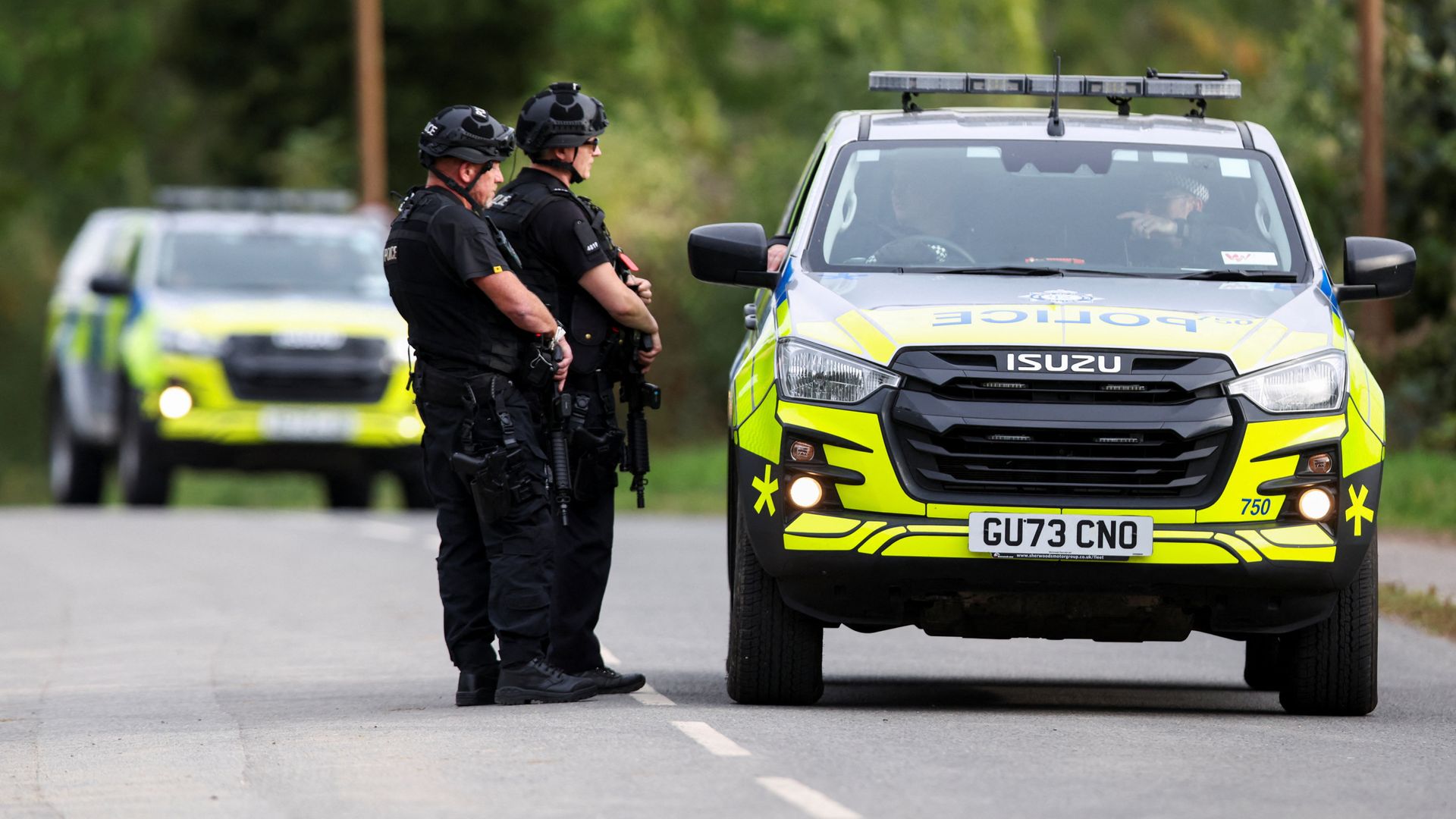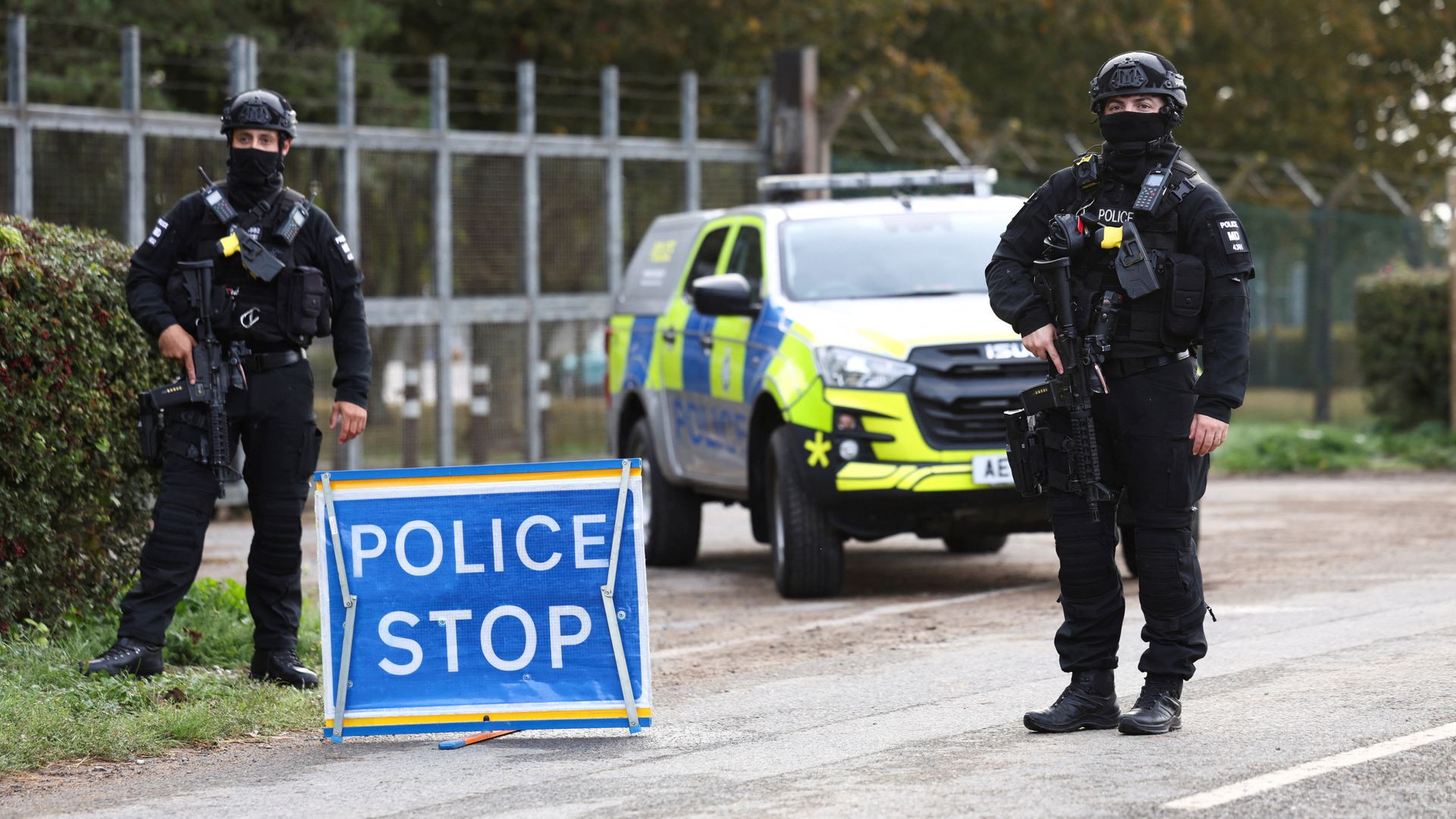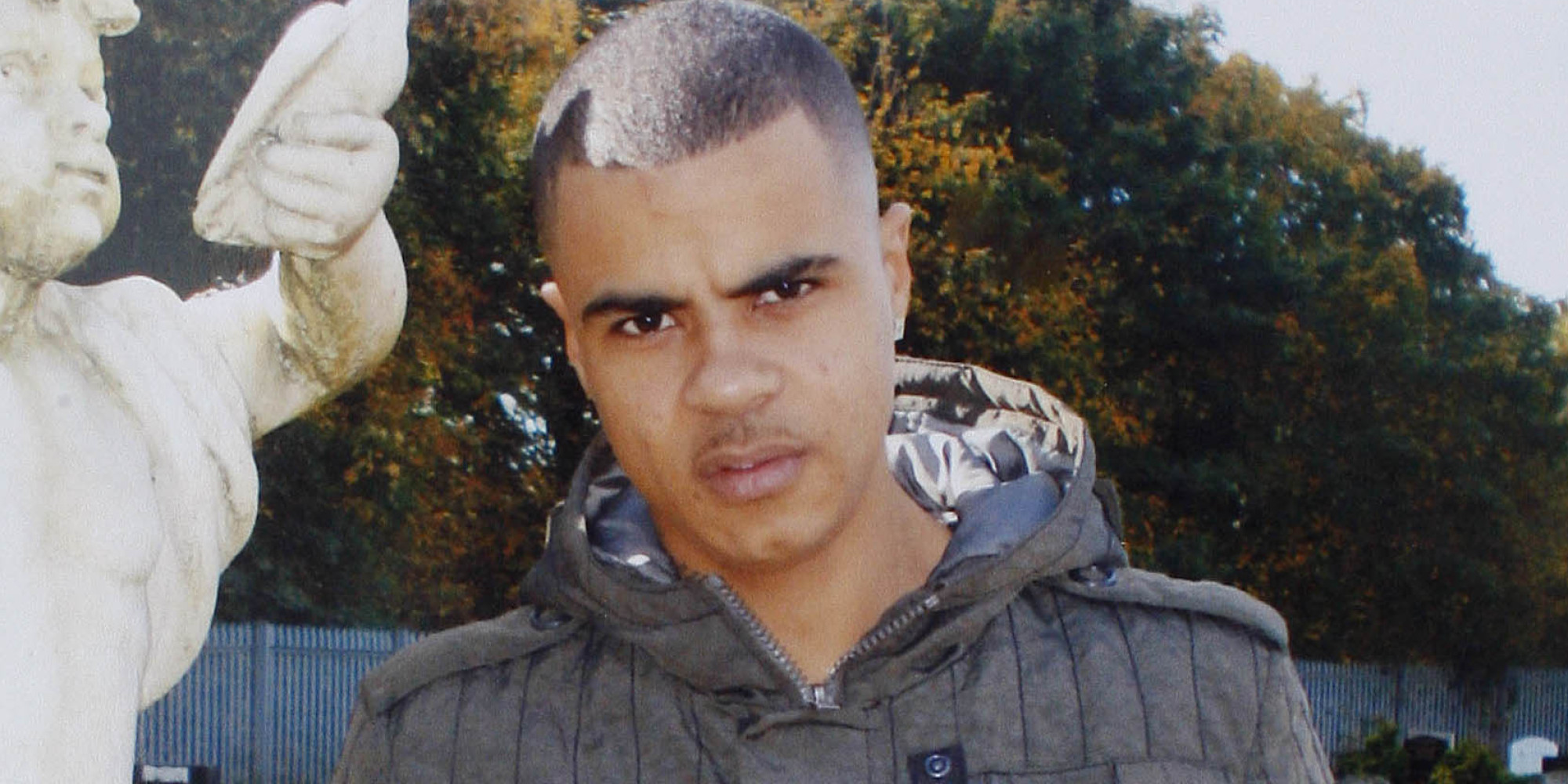
Mark Duggan’s death in August 2011 remains one of the most controversial and deeply scrutinized incidents involving police use of lethal force in recent British history. The 29-year-old was fatally shot by armed officers in Tottenham, north London, an event that ignited widespread riots that engulfed several cities across England. After years of investigations and public outcry, the inquest jury has finally delivered its verdict, concluding that Mark Duggan’s death was lawful. This decision has reignited debates over police accountability, community relations, and the wider implications of armed policing in the UK.

The Inquest: Details and Deliberations
The inquest into Mark Duggan’s shooting began in September at the Royal Courts of Justice. The jury consisted of ten members, seven women and three men, who were tasked with examining the complex and sensitive evidence surrounding the fatal encounter. Judge Keith Cutler, presiding over the case, emphasized to the jurors the critical importance of basing their decision strictly on the evidence presented, urging them to reach a verdict “beyond all reasonable doubt.”
The jury faced several key questions: Did Mark Duggan have a firearm during the encounter? Was the stop conducted in a manner that minimized the need for lethal force? How did the gun end up in a grassy area near the shooting scene? And crucially, did Duggan have the gun in his hand when he was shot? The inquest also scrutinized whether the Metropolitan Police Service and the Serious Organised Crime Agency (SOCA) had done everything reasonably possible to act on intelligence suggesting Mr Duggan might be armed.
After seven days of deliberation, the majority verdict (8 to 2) found that Duggan’s shooting was lawful. Jurors concluded unanimously that Duggan did not have the gun in his hand at the moment he was shot, though it was more likely than not that he had thrown the weapon from a taxi just before the police intercepted him. The gun was found approximately 20 feet away from the scene.

Reactions to the Verdict: Families, Community, and Authorities
The verdict sparked immediate and intense reactions. Outside the court, Mark Duggan’s family expressed profound grief and disbelief. His aunt, Carole Duggan, declared unequivocally that her nephew had been “executed,” underscoring the family’s belief that the killing was unjustified despite the jury’s conclusion. His brother, Shaun Hall, stated, “We still fight for justice,” highlighting ongoing demands for accountability.
The emotional scene outside the courthouse saw supporters chanting “murderers” at Metropolitan Police Assistant Commissioner Mark Rowley as he attempted to read a statement expressing sympathy for the family and explaining the police perspective. The statement acknowledged the rarity of firearms discharge by officers despite thousands of armed deployments annually and emphasized the careful tactics used to reduce gun crime in London.
However, the family and their legal representatives vehemently disagreed with the jury’s findings. Family lawyer Marcia Willis Stewart described the verdict as “unlawful killing,” emphasizing that Duggan had no gun in his hand when shot. Community activists and organizations like the charity Inquest considered pursuing a judicial review of the decision, reflecting broader skepticism about the inquest’s conclusions and the transparency of the investigation.

Broader Implications and What Comes Next
The shooting of Mark Duggan and the subsequent riots revealed deep-seated tensions between the police and communities in Tottenham and beyond. The unrest, which spread from Tottenham to other parts of London and cities across England, represented some of the most severe disturbances in decades, rooted in longstanding grievances about police conduct, racial inequality, and social exclusion.
Political figures weighed in on the verdict with mixed responses. Tottenham MP David Lammy called for further clarity on the events leading up to the shooting, acknowledging the palpable sorrow and anger felt by Duggan’s family and community. He described aspects of the verdict as “perplexing” and highlighted the need for answers to rebuild trust. Meanwhile, then London Mayor Boris Johnson expressed sympathy for the family but defended the professionalism of armed police officers who face life-threatening situations daily.
The Independent Police Complaints Commission (IPCC), responsible for investigating police conduct, stated it was considering the jury’s findings urgently in relation to its ongoing inquiry. The verdict also prompted renewed calls for reform in how intelligence is gathered and acted upon concerning individuals suspected of possessing firearms.

In Tottenham itself, the atmosphere remained tense but calm, with a significant police presence prepared to respond if needed. The Met confirmed it had operations in place to deploy additional officers across London should unrest arise again.
Why It Matters: The Legacy of Mark Duggan’s Death
The inquest’s conclusion that Mark Duggan’s death was lawful does not close the chapter on the wider issues his killing highlighted. This case remains a touchstone for debates about police use of force, systemic racism, and the accountability mechanisms that govern law enforcement in the UK. The fact that jurors found Duggan did not have the gun in his hand when shot yet still ruled the killing lawful raises difficult questions about how lethal force is justified and scrutinized.
The aftermath of Duggan’s death exposed fractures in community-police relations that continue to affect public trust. It also underscored the challenges police face when operating in high-pressure, intelligence-driven environments, especially involving armed suspects. However, it has equally spotlighted the urgent need for transparency, fairness, and justice for families affected by deaths in custody or during police operations.
As the family vows to continue fighting for justice and the IPCC pursues its investigation, the Mark Duggan case remains emblematic of the complex balance between public safety and civil rights. It serves as a stark reminder of the human cost behind headlines and the ongoing struggle to ensure that law enforcement operates with accountability and respect for all communities.