Martha’s Rule is set to transform patient care in England’s Accident & Emergency (A&E) departments by empowering patients, families, and healthcare staff to seek a second medical opinion more easily. This significant policy extension aims to enhance clinical decision-making and patient safety at critical moments in emergency healthcare.
What Is Martha’s Rule and How Will It Change A&E Care?
Originally introduced following a tragic case involving a young patient named Martha, Martha’s Rule established a protocol allowing families and hospital staff to request an independent clinical review when concerns about diagnosis or treatment arise. Until now, this rule was limited to specific hospital units or circumstances, but the new directive will broaden its application to every A&E department throughout England.
The rule ensures that if doubts emerge regarding a patient’s condition, or if families feel their concerns are not sufficiently addressed by the attending team, a prompt second opinion from a different consultant can be sought without bureaucratic delays. This measure is designed to prevent diagnostic errors and improve communication between medical teams and patients’ loved ones.
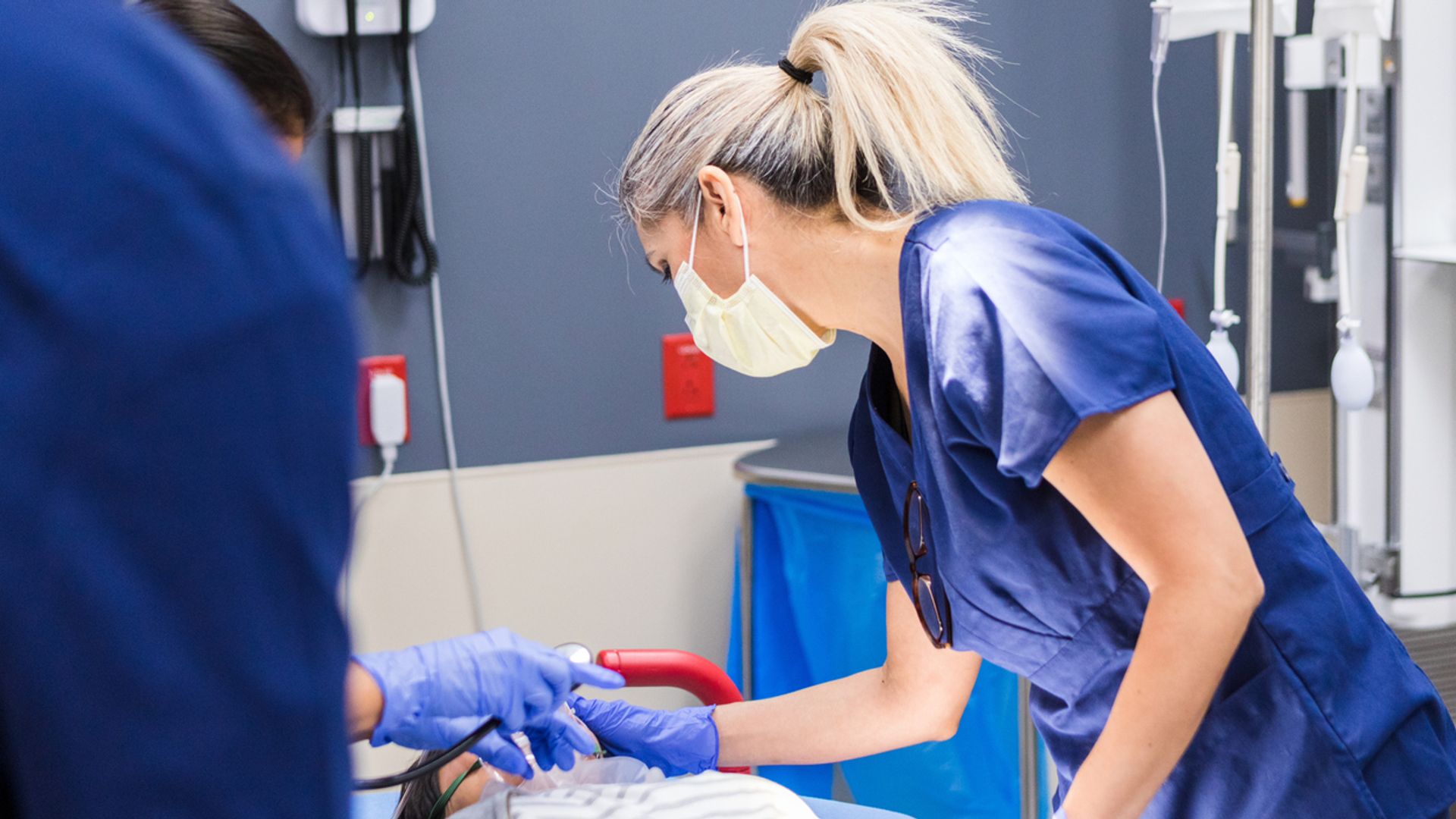
Why Extending Martha’s Rule Matters for Patients and NHS Staff
Emergency departments often operate under intense pressure, juggling high patient volumes, complex cases, and limited time for in-depth consultations. In such environments, misdiagnoses or oversights can have serious consequences. Martha’s Rule provides an additional safety net, enabling early detection of potential errors through a structured second review process.
For families, the rule offers reassurance that their concerns will be taken seriously and addressed transparently. It fosters trust between patients, relatives, and healthcare professionals, which is essential in high-stress emergency settings. Moreover, empowering staff members to request a second opinion promotes a culture of collaboration and shared responsibility within hospitals.
The NHS has emphasized that this policy extension aligns with broader patient safety initiatives and reflects lessons learned from past incidents where early intervention could have altered outcomes. By embedding Martha’s Rule within A&E departments, the health service aims to reduce avoidable harm and improve overall patient satisfaction.
Implementation and What to Expect Going Forward
Hospital trusts across England will now integrate Martha’s Rule into their emergency care protocols. Training sessions for A&E teams are underway to familiarize clinicians and support staff with the procedures for initiating second opinions swiftly and effectively.
While the rule does not mandate second opinions in every case, it lowers barriers that previously discouraged families or staff from requesting additional clinical input. This change is expected to lead to more frequent, timely reviews in complex or uncertain cases, ultimately enhancing diagnostic accuracy and treatment plans.
Healthcare leaders anticipate that the extension of Martha’s Rule will complement other NHS strategies focused on improving patient outcomes, such as enhanced staffing levels, better access to diagnostics, and increased investment in emergency care infrastructure.
What This Means for Patients and the Future of Emergency Care
The expansion of Martha’s Rule signals a commitment to patient-centered care and clinical accountability within one of the most challenging environments in the NHS. By institutionalizing the right to a second opinion in A&E departments, the NHS is prioritizing patient safety and responsive care during critical moments.
For patients and families, this policy offers greater confidence that their voices and concerns will influence care decisions without delay. For clinicians, it promotes a culture of openness and continuous learning, which is vital for improving standards and reducing avoidable mistakes.
As Martha’s Rule becomes a standard component of emergency care across England, stakeholders will closely monitor its impact on patient outcomes and experiences. This initiative represents a vital step toward more transparent, collaborative, and safe emergency healthcare delivery.