A recent scientific investigation has shed light on the factors that made the meningitis B outbreak in Kent particularly lethal. This breakthrough offers crucial insights into the dynamics of the disease and highlights the urgent need for improved public health measures.
Understanding the Kent Meningitis B Outbreak
The meningitis B outbreak in Kent posed an alarming public health challenge due to its severity and high fatality rate. Meningitis B, caused by the bacterium Neisseria meningitidis group B, is notorious for its rapid progression and potential to cause life-threatening inflammation of the brain and spinal cord membranes.
While meningitis B is a known health threat worldwide, the Kent outbreak stood out because it affected a concentrated population in a short period, leading to an unusually high number of deaths. The investigation aimed to determine why this particular outbreak proved so deadly compared to previous instances.
Key Findings: What Made the Outbreak So Dangerous?
Researchers identified several critical factors that contributed to the outbreak’s lethality. First, the strain of meningitis B responsible for the Kent cases exhibited heightened virulence. This meant the bacteria had genetic traits that increased their ability to invade host tissues rapidly and evade the immune system.
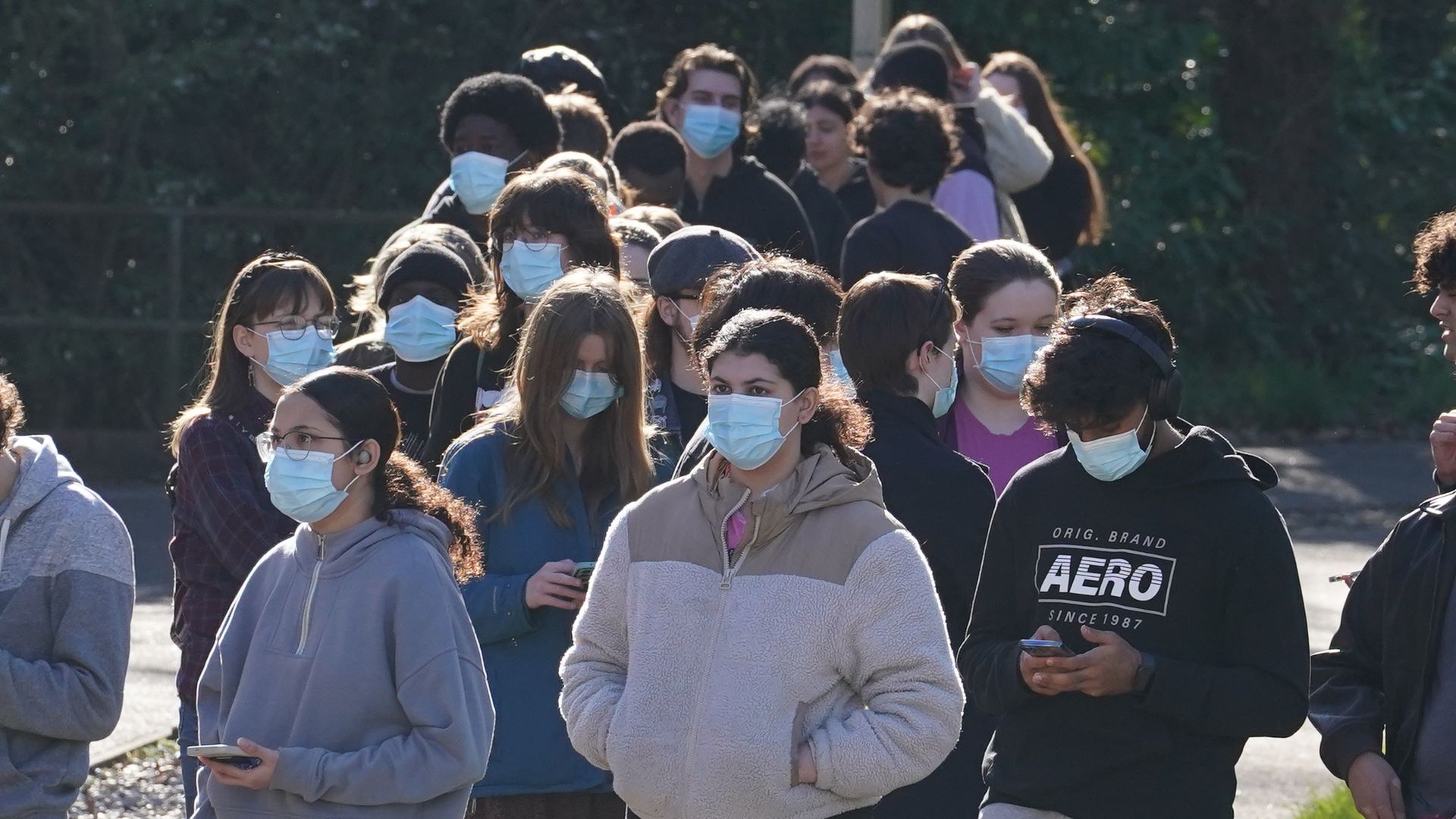
Additionally, the outbreak coincided with environmental and social conditions that facilitated the spread of infection. Close contact environments such as schools, universities, and community centers allowed the bacteria to transmit more efficiently among individuals, especially adolescents and young adults who are at higher risk.
Delayed diagnosis also played a significant role. Meningitis symptoms can initially resemble those of less severe illnesses, leading to some cases being misdiagnosed or untreated during the critical early stages. The rapid progression from mild symptoms to severe complications left little time for effective medical intervention in many cases.
The Broader Impact and Future Preparedness
This investigation’s revelations underscore the importance of robust surveillance systems and public awareness campaigns targeting meningitis B. Vaccination strategies must adapt to cover more virulent strains and reach vulnerable populations effectively.
Health authorities have taken note of these findings, reinforcing vaccination programs and encouraging early medical consultation when symptoms suggest meningitis. Educational initiatives aimed at parents, schools, and healthcare providers are vital to recognizing early warning signs and reducing delays in treatment.
Moreover, the study highlights the need for ongoing research into meningitis pathogens and their evolving genetic profiles. By understanding how certain strains gain increased virulence, scientists can develop targeted vaccines and treatments that better protect communities from deadly outbreaks.
What This Means for Public Health
The Kent meningitis B outbreak serves as a stark reminder of how quickly infectious diseases can escalate into public health emergencies. The combination of a highly virulent bacterial strain, conducive social environments, and delayed diagnosis created a perfect storm that tragically cost lives.
Moving forward, integrating these lessons into health policy will be essential. Enhanced vaccination coverage, improved diagnostic tools, and community education can collectively reduce the risk of similar deadly outbreaks.
Ultimately, this investigation empowers healthcare professionals and policymakers with the knowledge needed to better protect populations against meningitis B and other infectious diseases. Vigilance, preparedness, and scientific innovation remain the best defenses against future outbreaks.