

Over 100 students were turned away from meningitis vaccination centres in Kent as demand overwhelmed local healthcare services during a deadly outbreak. In response, additional vaccination sites are opening across the county to meet the urgent need and protect vulnerable populations.
Vaccination Centres Struggle to Keep Up with Demand
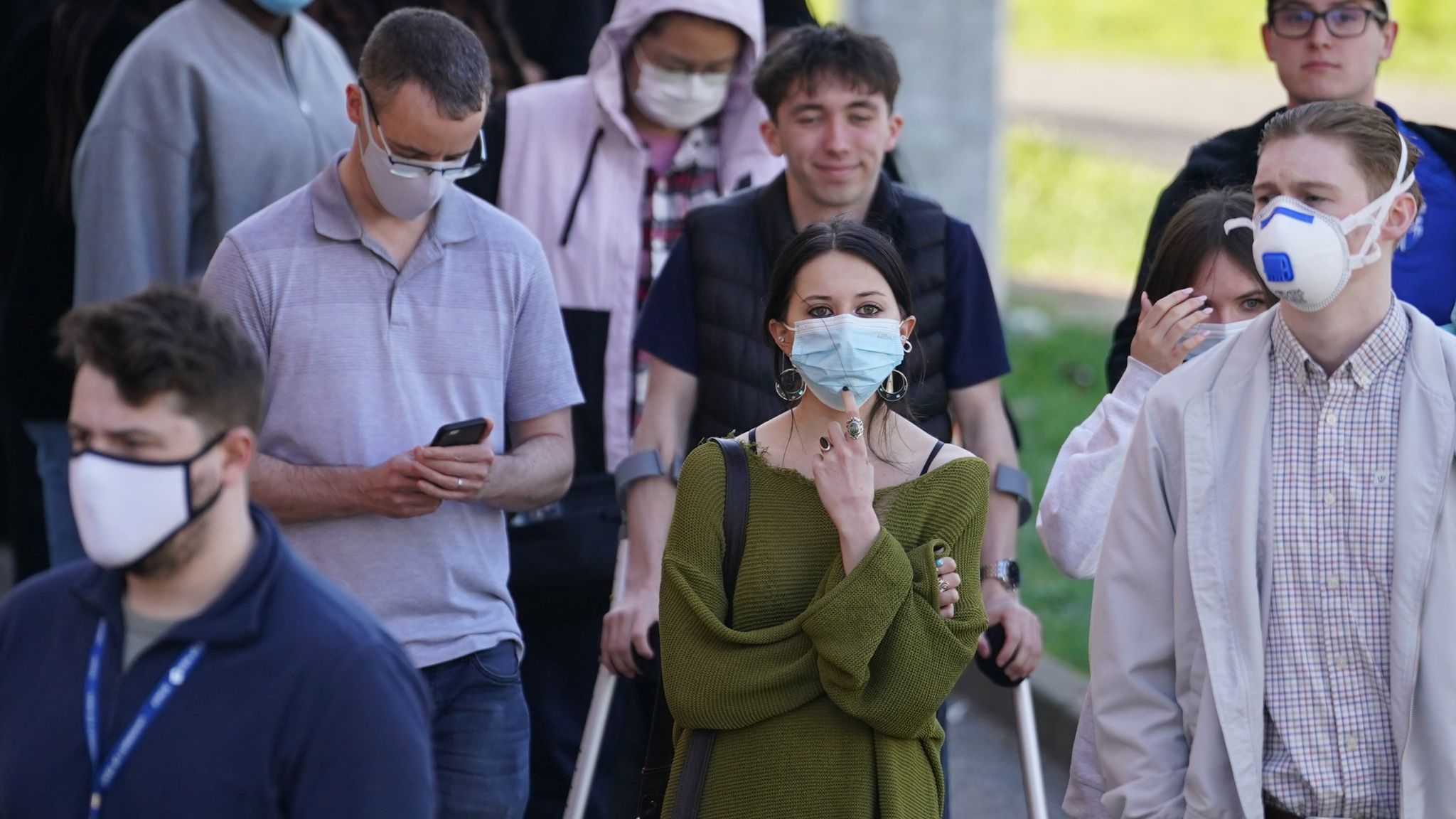
The University of Kent’s Canterbury campus had to temporarily close its meningitis vaccination line yesterday afternoon due to overwhelming capacity issues. This occurred despite a government campaign urging more people to get vaccinated amid rising cases. The university clinic plans to reopen today from 9am to 5pm, advising residents to arrive by 2pm to ensure they receive the jab.
Additional vaccination centres, including Faversham Health Centre and Vicarage Lane Clinic in Ashford, are also scheduled to open today. Meanwhile, The Gate Clinic at Kent and Canterbury Hospital remains open for walk-in vaccinations throughout the weekend.
So far, public health officials report administering over 8,500 courses of antibiotics and approximately 1,600 meningitis vaccines to eligible residents in Kent. This response aims to curb the spread of the infection, which has already had tragic consequences.
Who Qualifies for the Meningitis Vaccine?
Health Secretary Wes Streeting has outlined specific eligibility criteria for the vaccination campaign. Anyone who attended Club Chemistry between March 5 and March 15 qualifies for the jab. Additionally, sixth-form students at four local schools, university students in Canterbury, and close contacts of confirmed or suspected meningitis cases are being offered the vaccine.
Beyond these groups, anyone in England eligible for antibiotics due to potential exposure can request the vaccine through their local GP. This broad eligibility aims to interrupt transmission chains during the outbreak.
Outbreak Update: Confirmed Cases and Tragic Losses
The UK Health Security Agency (UKHSA) has confirmed 15 meningitis cases in Kent, with 12 additional suspected cases under investigation. Of the confirmed cases, nine have been identified as the particularly aggressive meningococcal B (menB) strain.
Tragically, two students have died during this outbreak, including 18-year-old Juliette Kenny. Juliette passed away on Saturday, just one day after exhibiting symptoms. Her father, Michael Kenny, described her sudden decline, noting that she experienced vomiting and discoloration in her cheeks before her rapid deterioration.

Michael Kenny emphasized Juliette’s robust health prior to the illness, stating, “She had been fit, healthy and strong, and the illness took her from us so quickly.” He expressed the profound devastation felt by their family and friends, highlighting how sharing memories of Juliette’s warmth and energy provides some comfort amid the grief.
Calls for Routine MenB Vaccination and Government Action
Juliette was a Year 13 student at Queen Elizabeth’s Grammar School in Faversham. Her family, alongside the Meningitis Research Foundation, is now urging the government to make the menB vaccine routinely available to all at-risk age groups on the NHS.
Vinny Smith, chief executive of the foundation, criticized the 2015 decision against expanding menB vaccination access, which was deemed “not cost-effective” at the time. While the vaccine has been available on the NHS for babies since 2015, most young people born before then remain unprotected unless vaccinated privately.
Smith underscored menB’s potential lifelong consequences, including severe disabilities resulting from infection, and called on the government to act decisively to save lives. In response, Health Secretary Wes Streeting has tasked the Joint Committee on Vaccination and Immunisation (JCVI) with reviewing current vaccine eligibility criteria.
What This Means for Kent and Beyond
The meningitis outbreak in Kent highlights critical gaps in vaccine coverage among teenagers and young adults, particularly those born before 2015. The rapid spread of menB and its devastating effects underscore the importance of timely vaccination and robust public health responses.
Expanding vaccine access could prevent further tragic losses and reduce the burden of this life-threatening disease. Health officials continue to monitor the situation closely, with updates expected at upcoming media briefings. The urgent mobilization of additional vaccination sites demonstrates a commitment to containing the outbreak and protecting vulnerable communities.
For residents in affected areas, seeking vaccination promptly and adhering to public health guidance remain vital steps in halting the spread of meningitis during this critical period.