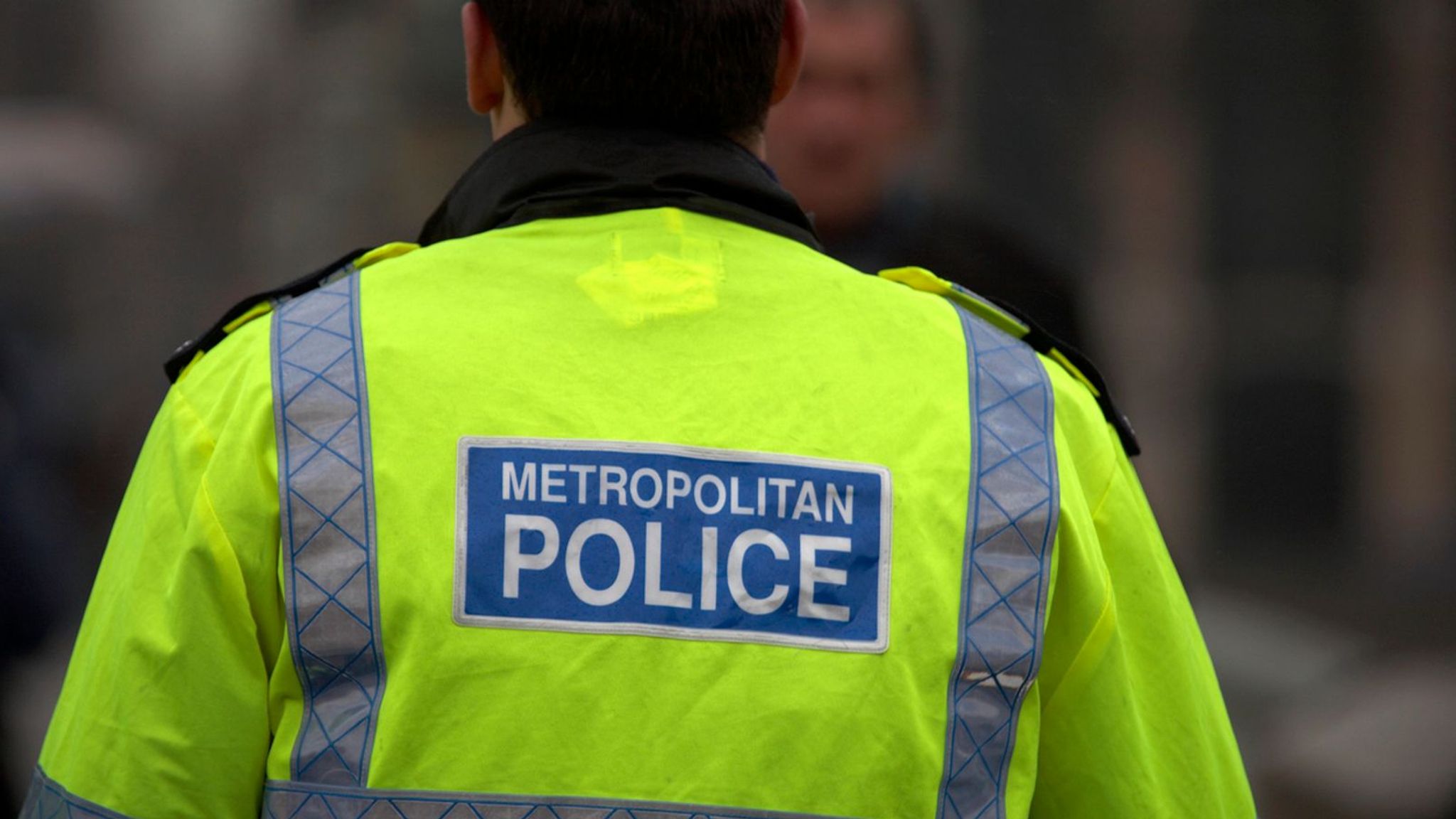
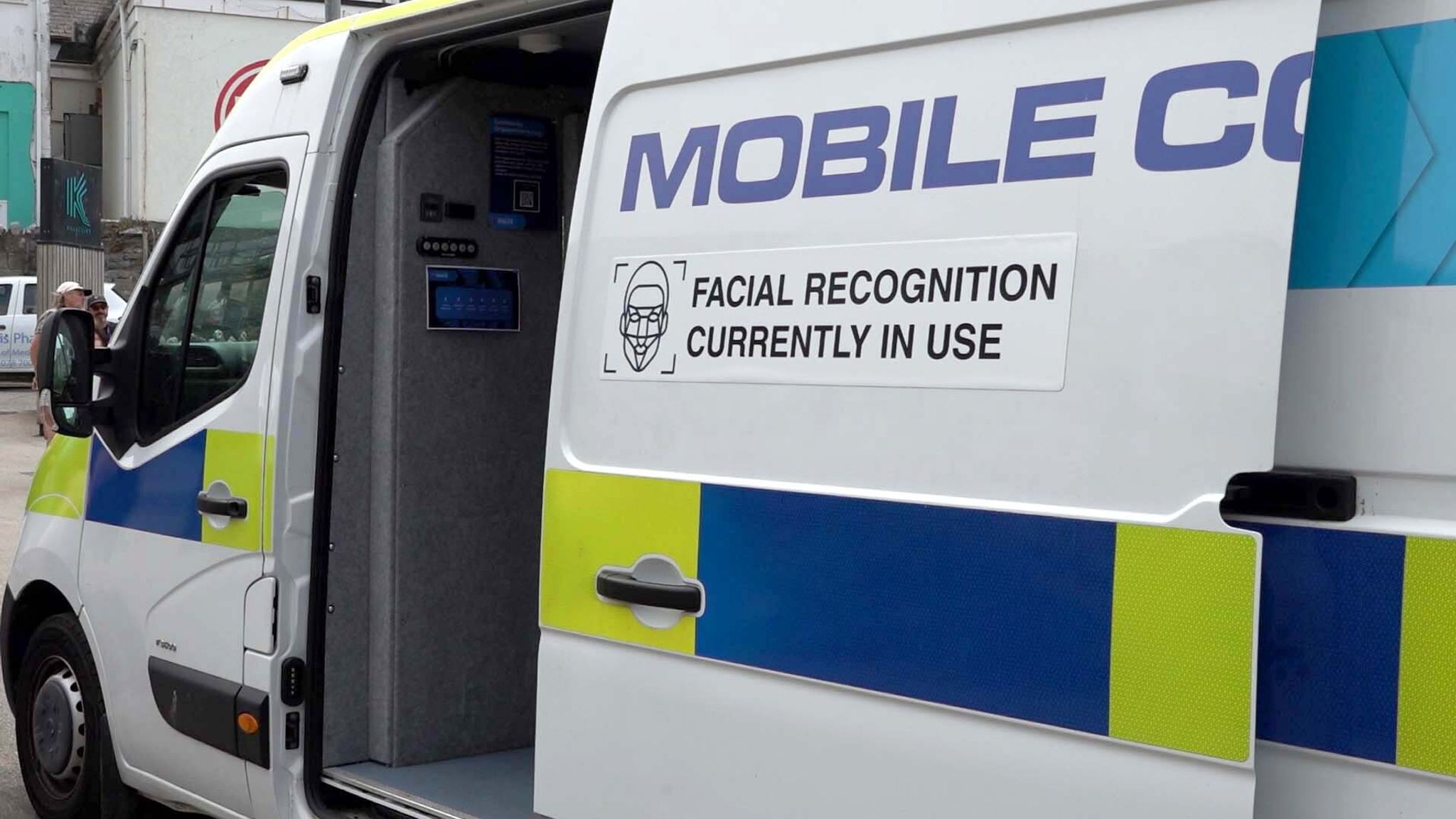
London’s Metropolitan Police have initiated a controversial facial recognition pilot that empowers officers to photograph and identify individuals without their consent. This six-month trial, launched recently, equips 100 officers with a mobile app to scan faces against a database of roughly one million custody images.
How the Facial Recognition Pilot Works
The new system enables officers to use their Met-issued smartphones to capture photographs of suspects or individuals they believe may be vulnerable or involved in criminal activity. Once a photo is taken, the app cross-references the image against the extensive database of past custody images to quickly identify the person.
Met Commander Nick John explained the protocol: if an individual refuses or cannot confirm their identity, or if officers suspect dishonesty, they can take the photo without asking for permission. “The officer can take a photo on their Met-issued phone, upload it into the app, and then the app will search against our custody images,” John stated.
While officers are required to inform people before photographing them, consent is not mandatory. The Met stresses that the technology will not be used indiscriminately; officers will not photograph individuals from a distance unless there is reasonable suspicion of involvement in offending.
In the pilot’s first 24 hours, 15 photos were uploaded—more than initially anticipated by Commander John. The force also confirmed that no force would be used if someone attempts to cover their face, and the technology will not be applied to anyone under 18 during the pilot, with any future rollout excluding those under 13.
Concerns Over Privacy, Bias, and Surveillance
This pilot has sparked intense debate regarding privacy rights and potential racial bias. Critics warn the technology could exacerbate existing issues related to disproportionate targeting of ethnic minorities.
Akiko Hart, director of the advocacy group Liberty, voiced alarm over the implications, stating the trial places “powerful surveillance technology in officers’ pockets.” She highlighted parallels with stop-and-search practices, which already disproportionately impact marginalized communities, and cautioned that facial recognition could compound these problems.
Habib Kadiri, executive director of StopWatch UK, an organization focused on police accountability, echoed these concerns. Kadiri pointed out the lack of sufficient measures to address the inherent racial bias in facial recognition technologies, warning that the initiative might fail to make ethnic minorities feel any safer.
Government Response and Oversight Measures
The facial recognition pilot follows recent government commitments to strengthen regulations governing police use of such technologies. The Home Office has promised new laws to ensure facial recognition is deployed in a “fair, safe, and proportionate” manner.
Additionally, plans are underway to establish an independent watchdog tasked with advising on standards, scrutinizing police use of emerging technologies, and making recommendations to ministers. This body would hold the authority to prohibit police forces from using facial recognition if they violate regulatory guidelines.
What the Met Says About Monitoring and Future Plans
The Metropolitan Police have pledged to rigorously monitor the pilot, conducting regular evaluations of its accuracy, performance, and usage patterns. They aim to detect any evidence of disproportionality and ensure the technology is applied appropriately.
Commander Nick John emphasized that the pilot is strictly controlled, and the Met will carefully review the results before deciding whether to expand the program. The force reassured the public that the technology will not be used for random surveillance but only in situations where there is reasonable suspicion.
Why This Matters
The Met’s facial recognition pilot represents a significant shift in policing methods, blending cutting-edge technology with traditional law enforcement. While it promises faster identification of suspects and potentially increased public safety, it also raises vital questions about civil liberties, privacy, and systemic bias.
As police forces worldwide grapple with balancing security and individual rights, the outcome of this pilot could set a precedent for wider adoption of biometric surveillance tools—or trigger tighter regulations to prevent misuse.
For Londoners, especially those from minority communities, the trial is a test case for how surveillance technologies might alter daily interactions with law enforcement. The government’s promised oversight mechanisms will be crucial in ensuring the technology enhances safety without infringing on fundamental rights.
Full details of the pilot’s outcomes and any decisions on broader implementation have yet to be released.