UK consumers are defying economic pressures, boosting retail sales by stocking up on essentials amid government warnings about potential crises. Despite soaring fuel costs and a rising energy price cap, retail sales surprised analysts with a notable increase in October, fueled by purchases of emergency supplies.

Retail Sales Defy Expectations with a Strong October Performance
Economists had forecast a stagnant retail sector for October, anticipating that high fuel prices and energy costs would curb consumer spending. However, the Office for National Statistics (ONS) revealed a 0.7% rise in total sales volumes compared to September. When including unleaded petrol and diesel sales, this growth climbs to 0.9%, signaling a more robust consumer response than many expected.
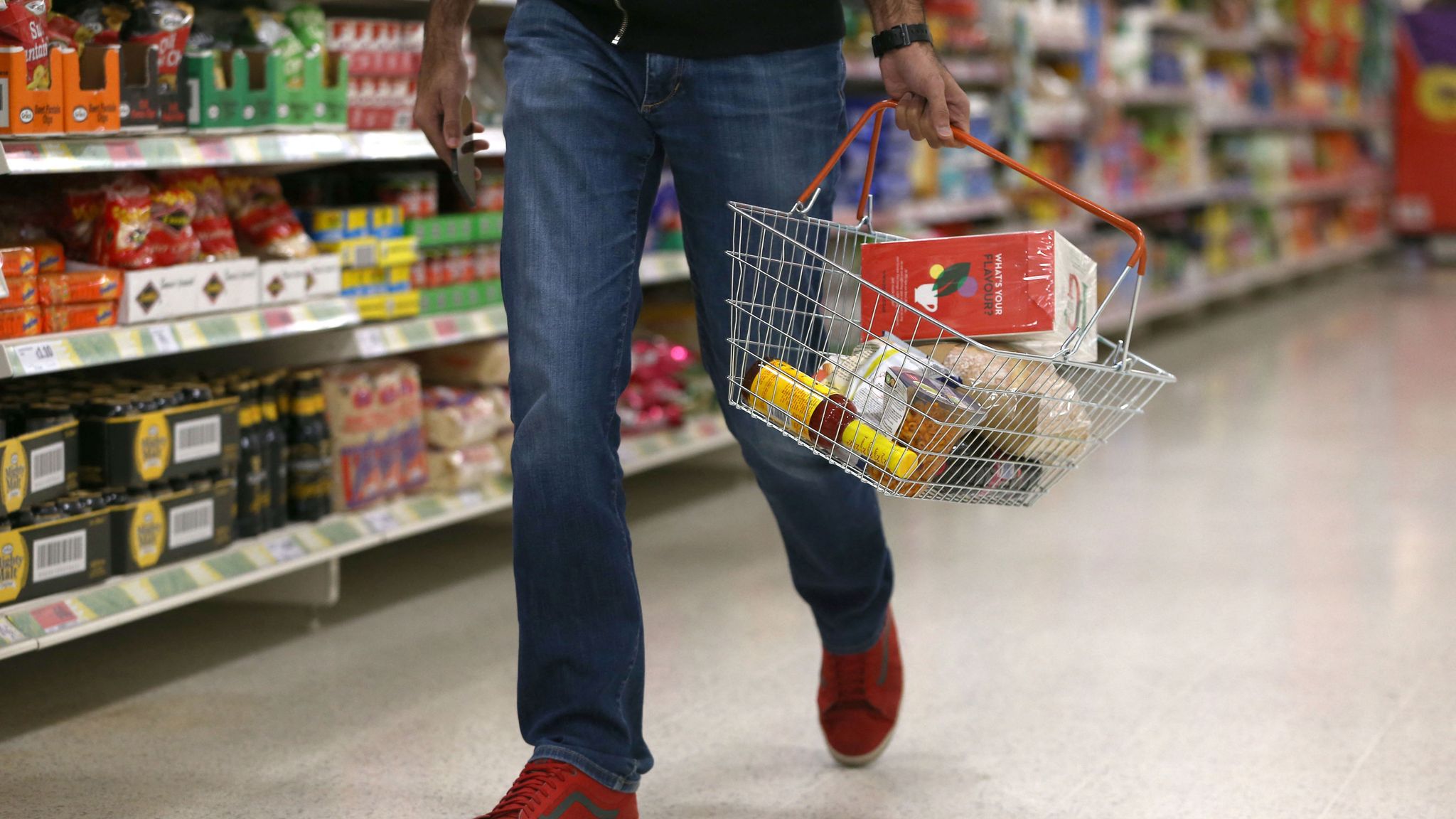
The ONS credited this uplift largely to increased demand for “emergency items.” This surge aligns with government advice issued last month urging households to prepare for disruptions such as war, food shortages, and cyberattacks. The government’s “Be Ready” campaign encouraged stocking up on long-life food products and other essentials, which supermarkets say directly boosted sales of tinned foods, UHT milk, and similar staples.
On a rolling three-month basis ending in July, the ONS noted a 0.4% increase in goods purchased, reinforcing the idea that consumers are gradually building inventories in response to heightened uncertainty.
Fuel Prices and Other Retail Sectors: Mixed Signals
While sales of emergency items and food products flourished, the fuel sector showed signs of recovery despite pump prices hitting record highs. Diesel costs soared to £2 per litre in October and remained elevated into November, though recent declines in global oil prices have started easing the burden on drivers.
Beyond supermarkets and fuel stations, the retail landscape shows a more complex picture. Clothing and footwear sales jumped 1.5% month-on-month, buoyed by the return of typical autumn weather, which usually triggers seasonal wardrobe updates. This sector’s growth adds to the optimism generated by the broader retail figures.
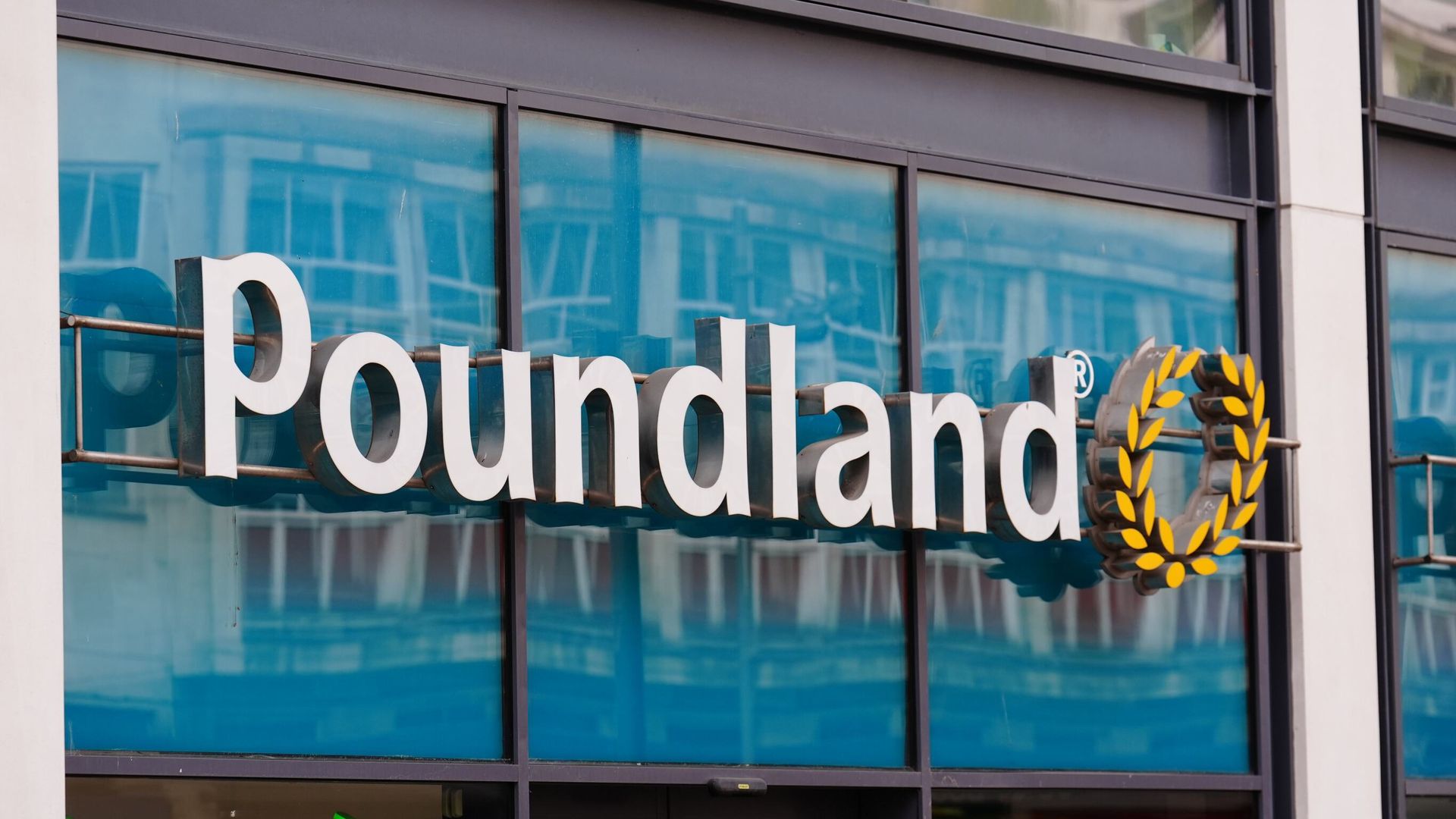
However, the UK high street faces significant challenges. Rising operational costs—driven by new wage rules, taxes, and soaring energy bills—are squeezing many retailers. Discount giant Poundland, employing 10,500 people, stands on the brink of collapse. Similarly, TGJones, formerly part of WH Smith’s high street operations, was put up for sale recently after only a year under new ownership.
The precarious situation extends to other chains as well. Mothercare, now operating as a franchise after shuttering its UK stores in 2020, issued a solvency warning linked to instability in the Middle East, which impacts supply chains and consumer confidence.
Why This Matters: Consumer Resilience Amid Inflation and Economic Uncertainty
Consumer spending accounts for roughly 60% of the UK’s economic activity, making these retail trends critical indicators of overall economic health. The unexpected rise in retail sales suggests that households remain resilient, countering fears that inflation and rising borrowing costs would sharply curtail demand.
The ONS data coincides with a separate consumer confidence survey by GfK, which reported a two-point increase to -22 in November. While still negative—indicating caution—this improvement stems mainly from the Major Purchase Index, which rose five points. This signals that consumers are more willing to commit to significant expenditures, a positive sign ahead of the crucial Black Friday and Christmas shopping seasons.
Yet, looming energy price hikes threaten to undermine this momentum. The energy regulator, Ofgem, is expected to raise the price cap by more than £400 from January, a move that could intensify financial pressure on households and dampen spending in the early months of 2024.
Economist Rob Wood of Pantheon Macroeconomics observes that while higher inflation will likely slow consumer spending growth, the recent retail surprise and solid consumption trends increase the odds that the UK’s GDP will outperform expectations in the fourth quarter.
Looking Ahead: Navigating Economic Uncertainty
The boost in retail sales driven by emergency item stockpiling highlights how government messaging can shape consumer behavior, especially during periods of uncertainty. While many shoppers are preparing for potential disruptions, broader economic challenges persist, particularly for high street retailers grappling with inflationary pressures and rising costs.
For policymakers and businesses, these trends underscore the delicate balancing act ahead: supporting consumer spending to sustain economic growth while managing inflation and cost-of-living pressures. How households adjust their spending in response to impending energy price increases will be a critical factor shaping the UK’s economic trajectory in 2024.
In the meantime, the resilience shown in October offers a glimmer of optimism that consumers remain willing to spend, even as they brace for ongoing challenges.