Two men charged in connection with a fabricated bomb threat outside RAF Fairford will contest the allegations in court next year, the latest legal proceedings reveal. The incident, allegedly orchestrated under orders from Iran, has raised serious security concerns and is now moving forward to a full trial.
The Incident at RAF Fairford
RAF Fairford, a key Royal Air Force base located in Gloucestershire, plays a strategic role in hosting U.S. Air Force bombers and other military operations. The base has been a focal point for NATO activities and a critical asset in international defense cooperation.
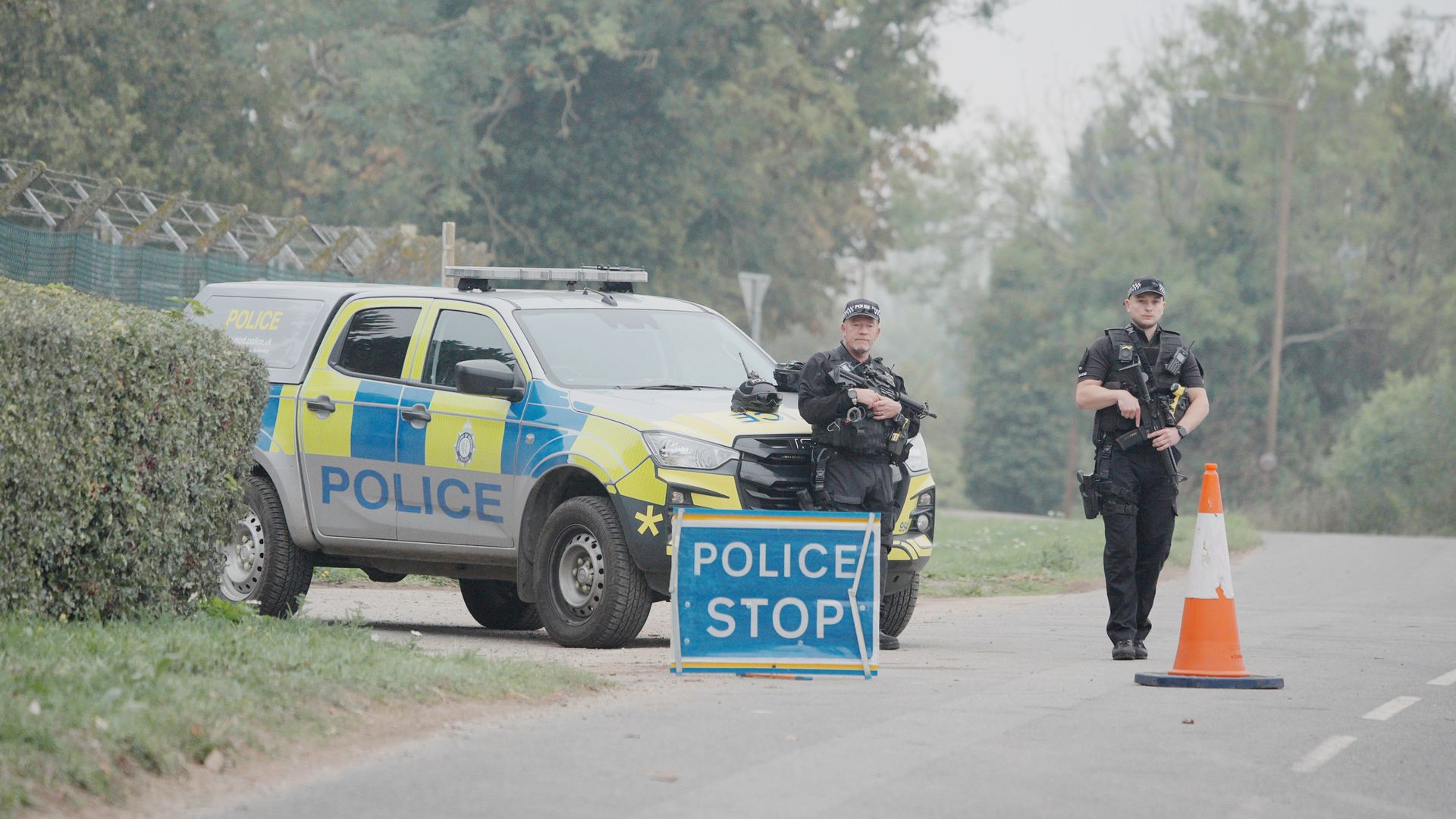
The fake bomb alert disrupted operations and caused alarm among personnel and local residents. Authorities quickly identified the threat as a hoax, but its origins and motivations prompted a high-profile investigation.
Security agencies traced the incident back to two individuals suspected of staging the false alarm. According to official statements, the men allegedly acted on direct orders from Iranian operatives, aiming to destabilize or send a message to Western military installations.
Legal Proceedings and Charges
The two men now face formal charges linked to the creation and execution of the fake bomb alert. The charges include conspiracy to cause public fear and disruption, as well as potential violations of national security laws.
During recent court hearings, defense lawyers declared their clients would deny any wrongdoing, signaling a contested trial ahead. The case has been scheduled for next year, with both prosecution and defense expected to present extensive evidence.
Given the sensitive nature of the allegations, the trial is likely to attract significant attention from national security experts, government officials, and the public. The involvement of foreign influence in domestic security threats underscores the complexity of modern defense challenges.
Broader Implications and Security Concerns
This case highlights ongoing tensions between Western nations and Iran, particularly in the realm of covert operations and information warfare. The alleged directive from Iranian sources to carry out such a disruptive act illustrates the lengths to which state actors may go to exert pressure or create instability.
RAF Fairford’s strategic importance makes it a potential target for similar threats in the future, prompting a reassessment of security protocols and intelligence-sharing measures. Authorities are likely to increase vigilance around military installations vulnerable to psychological operations or sabotage attempts.
For local communities near RAF Fairford, the incident has raised awareness about the real risks posed by international conflicts playing out on British soil. It also underscores the vital role of law enforcement and intelligence agencies in safeguarding national security.
What Comes Next
As the trial date approaches, both legal teams will prepare for a complex case involving international intrigue and high-stakes security issues. The outcome will not only determine the fate of the accused but may also influence future counterterrorism strategies.
Observers will be watching closely to see how courts handle allegations of foreign-directed operations within the UK and the evidence presented to substantiate such claims. The case serves as a reminder of the persistent threats faced by military installations and the importance of robust legal frameworks to address them.
In summary, the upcoming trial over the fake bomb alert outside RAF Fairford marks a critical moment in addressing security breaches linked to foreign influence. The proceedings will shed light on the extent of covert activities targeting the UK and reinforce the need for continuous vigilance in protecting vital defense assets.