Rising temperatures are transforming the British Isles into a surprisingly hospitable environment for mosquitoes that carry serious diseases, scientists warn. This shift threatens to introduce health risks previously uncommon in the UK, as climate change reshapes the landscape for disease vectors.

The Emergence of Disease-Carrying Mosquitoes in the UK
Experts publishing in The Lancet Infectious Diseases reveal that warming temperatures combined with increased rainfall could create ideal breeding grounds for mosquitoes in the UK, especially across southern England. These conditions mirror those in regions where mosquito-borne illnesses such as dengue fever and West Nile virus are endemic.
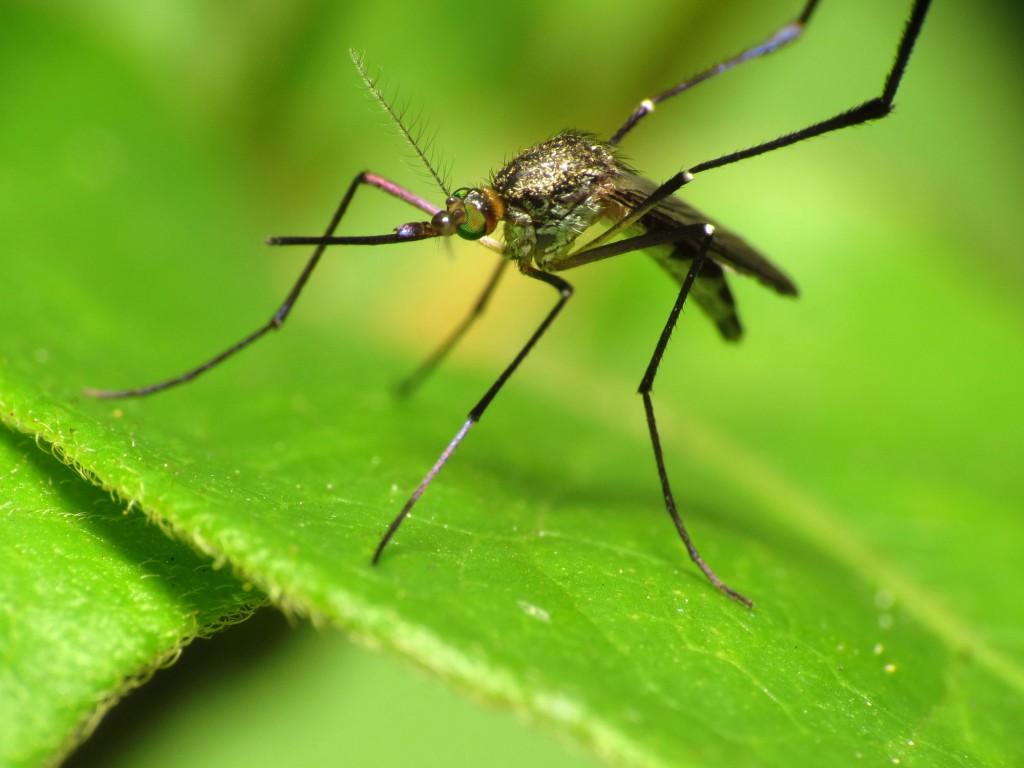
The UK’s traditionally damp and moderate climate has so far limited the proliferation of these insects, but this is changing. Already, certain species capable of transmitting dangerous viruses have been detected. For example, a species of Culex mosquito, recognized as the primary European vector for West Nile virus, was recently discovered in Kent. While the virus itself has not yet caused human cases in the UK, its presence signals a potential future threat.
West Nile virus typically causes flu-like symptoms but can lead to severe neurological disease and even death in rare instances. Its arrival in the UK would mark a significant public health challenge, necessitating enhanced surveillance and public awareness.
Invasive Mosquito Species and Rising Health Risks
More alarming are predictions about the spread of the Asian tiger mosquito, an invasive species notorious for transmitting dengue fever and chikungunya virus. Both illnesses can lead to severe symptoms and, in some cases, fatal outcomes. Until recently, these diseases were almost exclusively tropical, but climate change and globalization have facilitated their movement into temperate zones.
Climate simulations indicate that by 2041, temperatures in London could support one month per year suitable for chikungunya virus transmission. By 2071, this window may extend to three months in southeast England, substantially increasing the risk of outbreaks. Such projections underscore the urgency of monitoring mosquito populations and implementing preventative measures.
Dr. Jolyon Medlock, a co-author of the study from Public Health England, highlights ongoing efforts to detect invasive mosquitoes at critical entry points, including seaports, airports, and motorway service stations. These locations serve as gateways for non-native species hitchhiking in imported goods such as used tyres, which provide ideal breeding sites for mosquito eggs.
Despite these precautionary measures, no invasive mosquito species have yet been confirmed as established in the UK. However, Dr. Medlock stresses that improved surveillance systems are necessary to prevent their introduction and establishment. Without such controls, the risk of local transmission of mosquito-borne diseases could rise significantly.
Malaria and the Changing UK Climate
While the threat of malaria remains relatively low compared to other mosquito-borne diseases, some climate models suggest the possibility of localized malaria infections in the UK as early as 2030. Malaria transmission requires specific temperature and humidity conditions, which were historically too rare in Britain but may become more frequent due to global warming.
Even a limited return of malaria transmission would represent a major public health concern, given the disease’s severity and potential for outbreaks. This possibility reinforces the need for comprehensive mosquito monitoring and public health preparedness strategies.
Why This Matters and What Comes Next
The encroachment of disease-carrying mosquitoes into the UK is a direct consequence of climate change, illustrating how global warming extends beyond rising sea levels and extreme weather to impact infectious disease dynamics. The establishment of these vectors would challenge the UK’s healthcare system and require coordinated responses involving environmental management, public health surveillance, and community engagement.
Proactive measures such as enhanced monitoring at transport hubs, public education on mosquito avoidance, and rapid response protocols for outbreak containment will become increasingly important. Additionally, policymakers must consider the ecological implications of changing mosquito populations and incorporate vector control into broader climate adaptation plans.
The evolving mosquito landscape in the UK serves as a stark reminder that climate change is reshaping risks to human health in complex and often unexpected ways. Vigilance and preparedness today will be crucial to mitigating the public health challenges of tomorrow.