A chilling case unfolded in Aberdeenshire as Courtney Gartshore, 28, was sentenced to six years in prison for the death of her three-month-old daughter, Dahlia-Rose, caused by prolonged exposure to intense heat from a hairdryer. The harrowing incident, which took place in Peterhead on 30 September 2023, revealed a disturbing breach of parental duty with tragic consequences.

What Happened: The Fatal Use of a Hairdryer
On that fateful day, Gartshore subjected Dahlia-Rose to “significant and sustained heat” by using a hairdryer on the infant’s head and body for up to an hour. This caused severe burns covering approximately 18% of the baby’s skin, including critical areas such as the head, neck, upper body, and one arm. Although the burns were described as “severe and disfiguring,” medical experts concluded that Dahlia-Rose’s death was primarily due to hyperthermia and heatstroke rather than burn wounds.
Prior to the incident, Gartshore had been drinking and was the sole caregiver responsible for Dahlia-Rose. Emergency services were alerted when the Scottish Ambulance Service contacted Police Scotland about the infant’s critical condition, leading to an immediate investigation. Gartshore was arrested in November 2023 and charged with culpable homicide, Scotland’s equivalent to manslaughter.

The Court Proceedings and Verdict
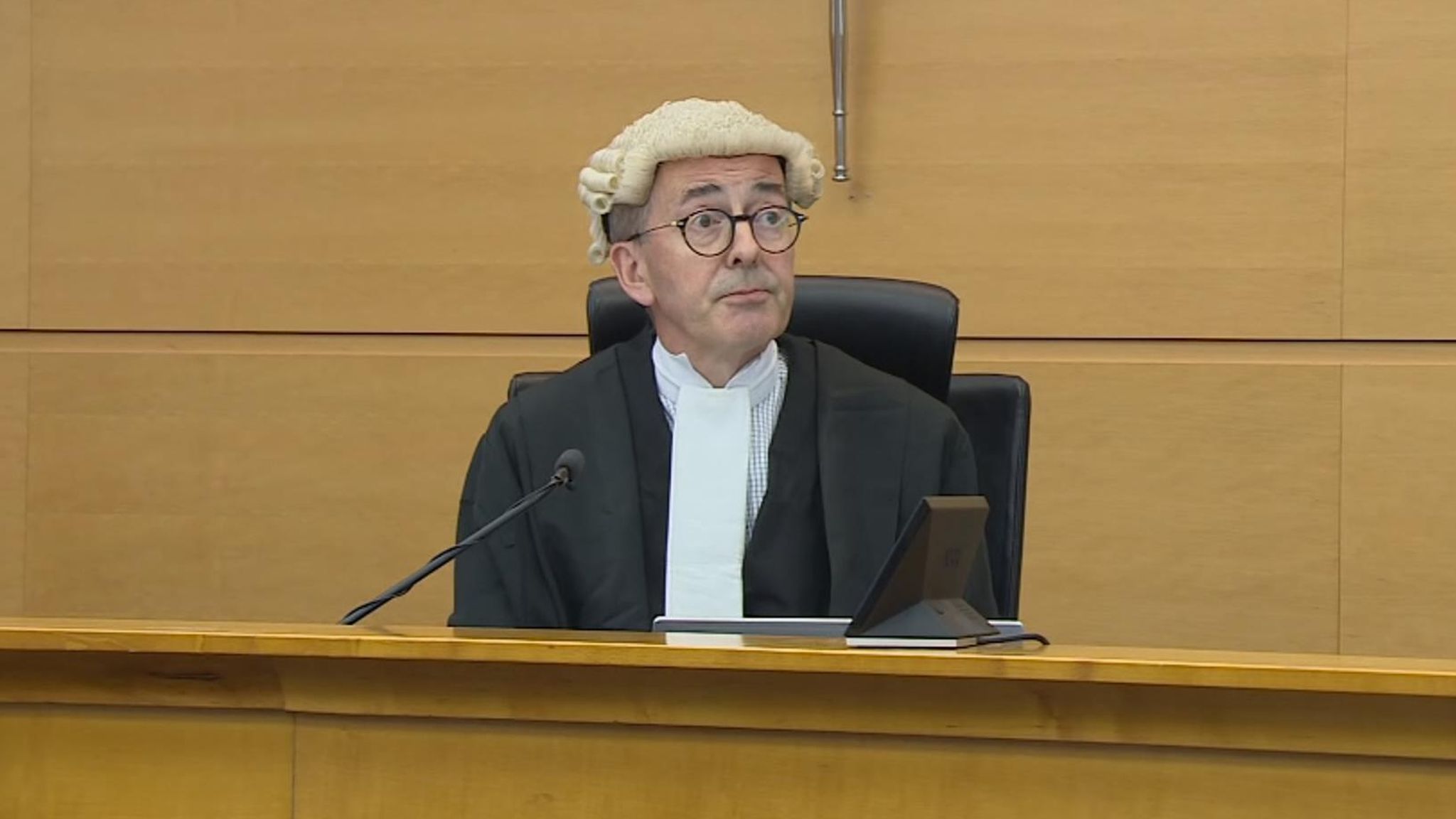
The case was tried at the High Court in Aberdeen in July 2024. Despite Gartshore’s denial of culpable homicide, the jury delivered a unanimous guilty verdict. During sentencing at the High Court in Edinburgh, Judge Simon Collins KC described the case as “uniquely disturbing” and labelled the actions as a “gross breach of the most basic duty as a parent.”
Judge Collins acknowledged that Gartshore did not intend to kill or harm her daughter but emphasized that her carelessness reached the “highest degree.” He pointed out that it “should have been obvious” to Gartshore that Dahlia-Rose was enduring severe distress and pain during the prolonged heating.
Despite the jury’s verdict, the judge noted Gartshore’s apparent failure to fully accept responsibility or express genuine remorse for her actions. He highlighted the lifelong burden she must carry, living with the knowledge that her negligence caused her daughter’s death.
Background and Mitigating Factors
Gartshore’s defence lawyer, Murray Macara, described the case as “truly tragic and distressing.” He revealed that since her incarceration, Gartshore has spent approximately 23 hours a day in her cell for her own safety, underscoring concerns about her vulnerability in custody.
Macara detailed Gartshore’s troubled history, including childhood trauma, mental health struggles, previous overdoses, and self-harm. He argued that she had generally provided appropriate care to Dahlia-Rose before the night of the tragedy. However, he conceded that Gartshore could not recall using the hairdryer on her daughter and offered no clear explanation for her actions.
The defence speculated that Gartshore might have recklessly used the hairdryer as a source of warmth, possibly believing the baby was cold. This suggestion, while not justifying the behaviour, aimed to provide some context for the otherwise incomprehensible act.
Why This Case Matters
The death of Dahlia-Rose starkly highlights the vulnerability of infants and the absolute responsibility parents and caregivers bear. Detective Inspector James Callander underscored this point, stating, “Children are defenceless and should be protected,” and emphasised the profound distress caused when a child dies at the hands of a parent.
This case serves as a grim reminder of the devastating consequences of neglect and recklessness. It also raises critical awareness about the need for support systems for parents struggling with mental health and substance abuse, potentially preventing such tragedies in the future.
Looking Ahead
Courtney Gartshore’s six-year sentence reflects the gravity of her actions and the court’s determination to uphold child protection laws. While she awaits the full term of her imprisonment, her story stands as a somber warning about the dire effects of parental neglect and the vital importance of safeguarding children’s welfare.
Families, communities, and authorities alike must remain vigilant and proactive in providing help to at-risk caregivers. Only through early intervention and comprehensive support can similar heartbreaking outcomes be averted.