

The push for legalizing assisted dying in the UK is far from over. A determined Member of Parliament has issued a stark warning that the assisted dying bill will resurface repeatedly unless the House of Lords approves it on its next vote. The debate over this deeply divisive issue is poised to continue dominating parliamentary discussions and public discourse.
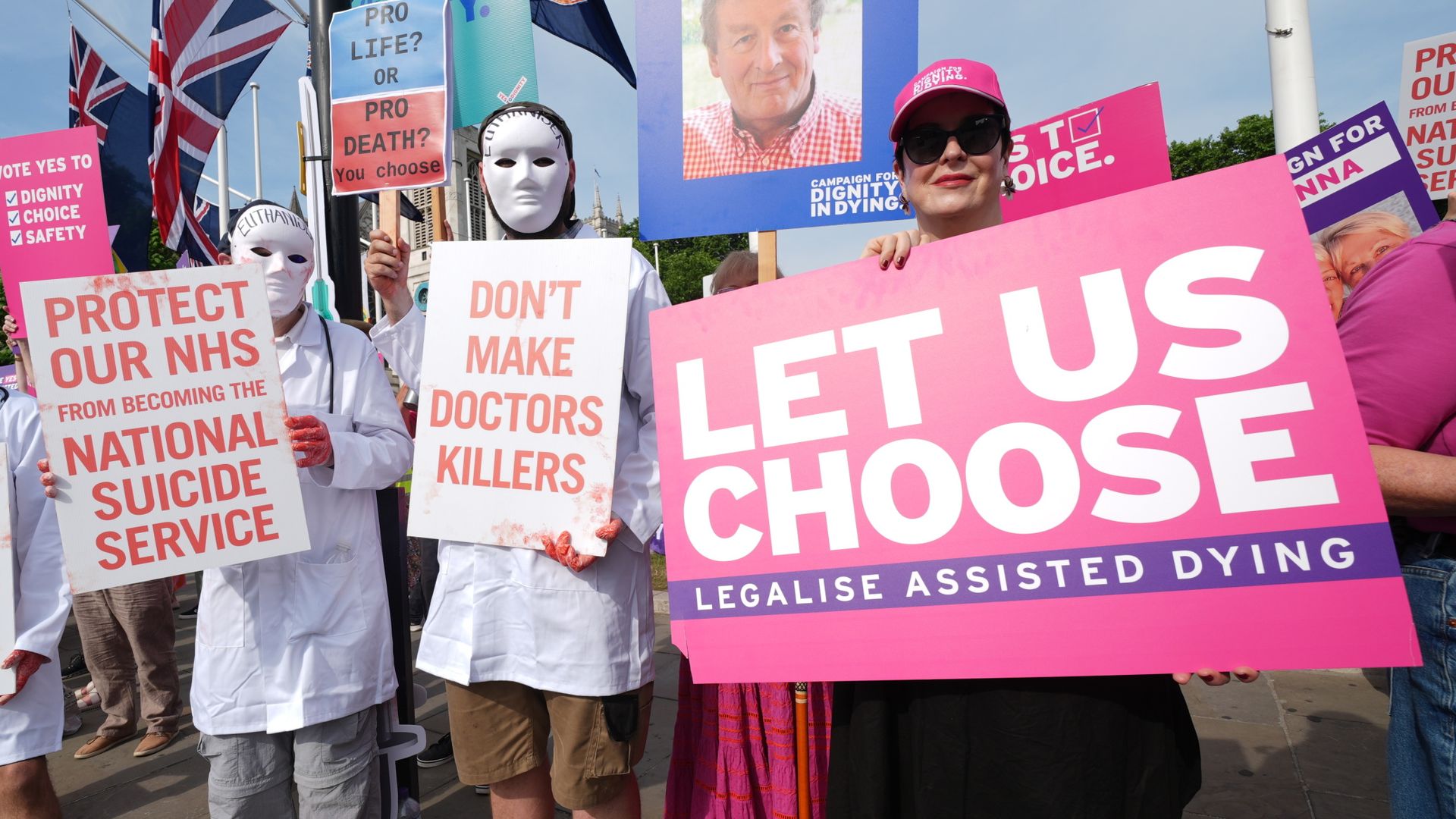
The Persistent Campaign for Assisted Dying Legislation
The MP spearheading the bill’s reintroduction emphasized to Sky News the inevitability of the bill’s return if the peers reject it once more. This highlights the strong commitment among some lawmakers to advance legislation allowing terminally ill adults to seek medical assistance to end their lives under strict safeguards. The bill’s proponents argue this is a compassionate response to unbearable suffering that respects individual autonomy.
Assisted dying remains a contentious topic within the UK’s political and social spheres. Previous attempts to pass similar bills have faced significant opposition, particularly in the House of Lords, where concerns about ethical, legal, and moral implications persist. However, the MP’s statement signals that advocates will not be deterred by setbacks, underscoring a broader determination to revisit the issue until a resolution is found.
Why the Bill Faces Resistance in the House of Lords
The House of Lords has traditionally been a major stumbling block for assisted dying legislation. Many peers worry about the potential for abuse, the sanctity of life, and the message such a law might send about the value society places on vulnerable individuals. These concerns fuel repeated rejections of the bill, despite growing public support documented in opinion polls.
The MP’s warning that the bill will return “again and again” if blocked reflects not only frustration but also a strategic acknowledgment that persistence may eventually sway opinions. The debate is not just a legal matter but a profound ethical dilemma touching on medical practice, human rights, and social values.
What This Means for Patients and the Future of UK Law
If the bill ultimately passes, it would mark a historic change in UK law, permitting terminally ill patients to request assistance in dying under carefully regulated conditions. Proponents believe this will offer dignity and relief to those facing unbearable suffering, while opponents fear it could undermine protections for vulnerable groups.
The MP’s commitment to reintroducing the bill repeatedly suggests that this issue will remain at the forefront of parliamentary debate and public attention. It also reflects a growing international trend toward legal recognition of assisted dying in various jurisdictions.
For patients and families grappling with end-of-life decisions, the ongoing legislative battle signals both hope and uncertainty. Advocates urge lawmakers to consider the human stories behind the statistics and to act with compassion and courage.
Looking Ahead
The assisted dying bill’s journey through Parliament is far from over. With the MP’s vow to persist, the bill’s fate now hinges on whether the House of Lords will reconsider and approve it. Should they decline again, expect further reintroductions and intensified debate.
This ongoing saga illustrates the complex intersection of law, ethics, and personal choice at the heart of assisted dying. As public opinion shifts and experiences from other countries inform UK discussions, the pressure on Parliament to resolve this issue will only intensify.
Ultimately, the future of assisted dying legislation in the UK depends on continued dialogue, thoughtful consideration of ethical concerns, and the willingness of lawmakers to confront one of the most challenging questions facing modern society.