

NASA is meticulously preparing for the highly anticipated Artemis II mission, targeting an early April launch to send astronauts on a pioneering journey around the Moon. The agency is leaving no stone unturned in assessing every potential risk to ensure the mission’s success, reflecting lessons learned from decades of rocket development.
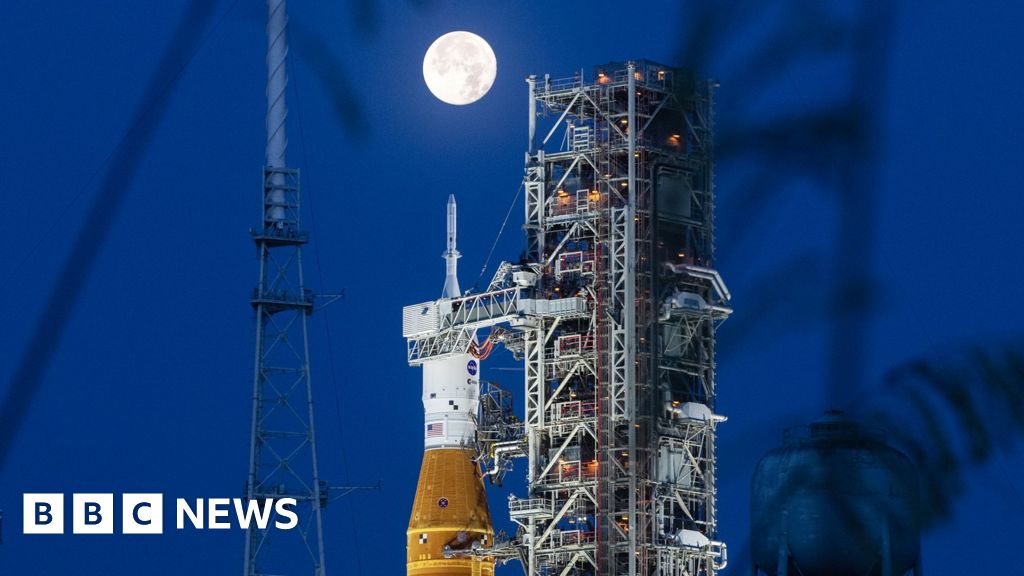
Rigorous Risk Assessment Drives Artemis II Preparations
John Honeycutt, chair of the Artemis II Mission Management Team, emphasized the mission’s comprehensive risk management approach. “We want to be sure that we’re thinking about everything that can possibly go wrong,” Honeycutt explained, “and have we assessed and adjudicated all the risks to put us in the best posture to be successful.”
Honeycutt highlighted the historical challenges of developing new rockets. “If you look at the data over time, over the lifespan of building new rockets, the data would show you that one out of two is successful. You’re only successful 50% of the time,” he said. Yet, he confidently noted that the Artemis II team is in a stronger position than typical past projects, thanks to advanced risk mitigation strategies.
These strategies include detailed risk identification, implementation of controls, and continuous monitoring to reduce uncertainties. “We do an outstanding job of understanding the risk, buying down the risk, mitigating the risk, and putting together controls to manage the risk,” Honeycutt stated, underscoring NASA’s commitment to safety and mission assurance.
Changes in Testing Approach: No Second Wet Dress Rehearsal
As part of the mission’s refined preparations, NASA has decided against conducting another wet dress rehearsal—a critical pre-launch test where the rocket is fueled and taken through a simulated countdown at the launchpad. This decision comes after careful consideration of the test’s value relative to the mission timeline.
Lori Glaze, acting associate administrator for NASA’s Exploration Systems Development Mission Directorate, explained the rationale: “There’s not a lot more to be gained from that.” She noted that the next time the Artemis II rocket will be fueled is during the actual launch attempt.
Skipping this additional wet dress rehearsal reflects NASA’s confidence in the vehicle’s readiness and the extensive testing already completed. This streamlined approach helps maintain momentum toward the April launch window without compromising safety or reliability.
Why Artemis II Matters: A Critical Step Toward Lunar Exploration
The Artemis II mission represents a pivotal milestone in NASA’s broader Artemis program, which aims to establish a sustainable human presence on the Moon and eventually send astronauts to Mars. Unlike Artemis I, which was an uncrewed test flight, Artemis II will be the first crewed mission in this series, carrying astronauts on a lunar flyby to validate spacecraft systems in deep space.
This mission will test critical technologies such as the Orion spacecraft’s life support and navigation systems under real flight conditions, providing essential data for future lunar landings and long-duration missions. Success in Artemis II will mark NASA’s return to crewed lunar exploration for the first time since the Apollo era.
Furthermore, the mission will help build international partnerships and inspire global interest in space exploration. Its outcomes will influence NASA’s planning for Artemis III, which aims to land astronauts on the lunar surface.
Looking Ahead: Preparing for an Historic Launch
NASA’s careful and methodical approach to preparing Artemis II underscores the complexity and challenges of human spaceflight beyond Earth orbit. By rigorously managing risks and refining testing protocols, the agency aims to maximize the mission’s chances of success.
With the targeted early April launch window approaching, all eyes are on NASA’s Artemis II team as they finalize preparations for this landmark mission. The journey around the Moon will not only demonstrate technological prowess but also pave the way for humanity’s next giant leap in space exploration.
As NASA moves closer to liftoff, Artemis II stands as a testament to innovation, resilience, and the unyielding human spirit to explore the unknown.