

The Royal Navy maintained a vigilant 48-hour surveillance operation on a Russian warship and a sanctioned oil tanker navigating the strategically vital English Channel. This close monitoring highlights ongoing maritime security efforts amid rising tensions in European waters.
Intense Monitoring of Russian Vessels
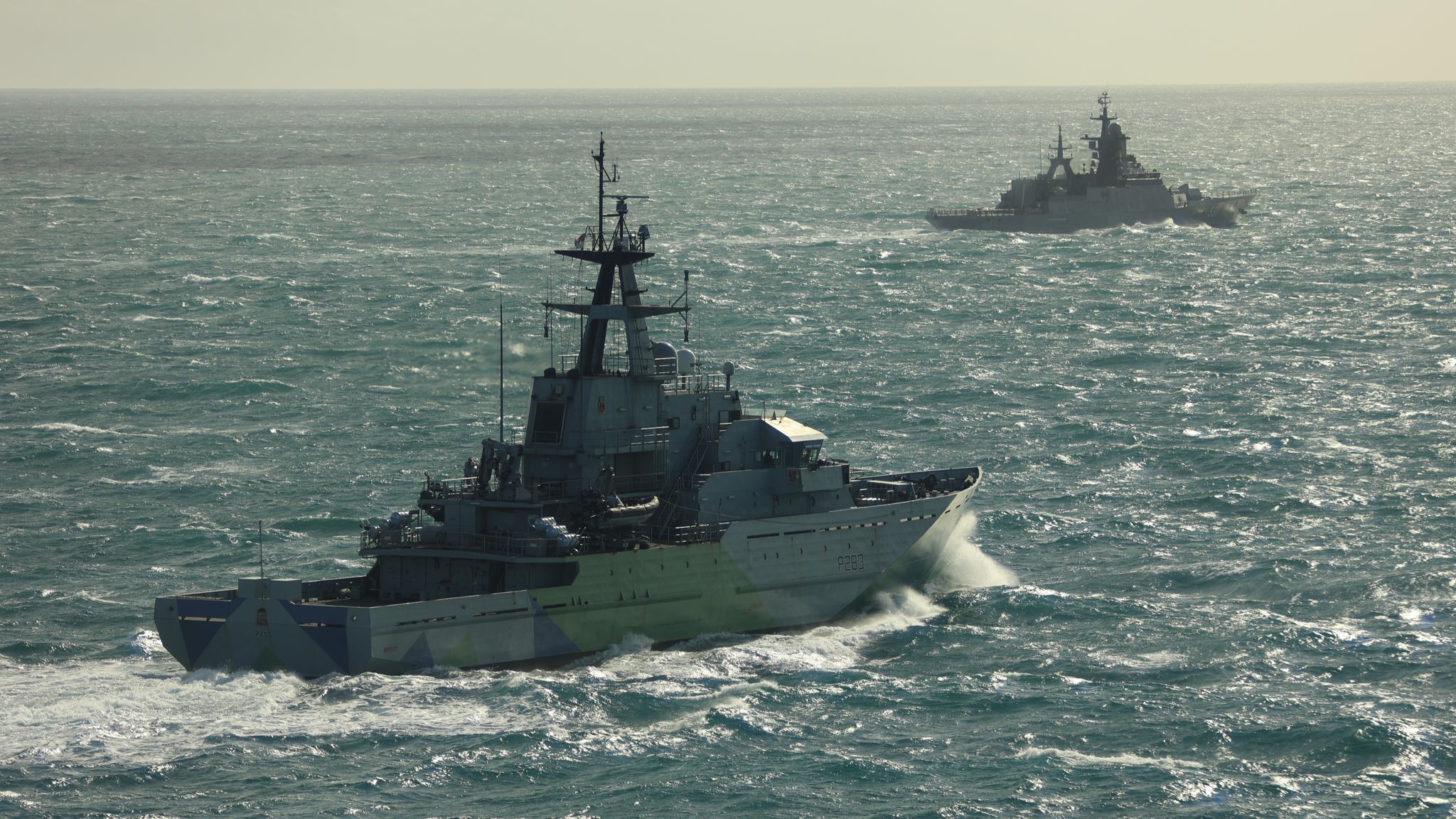
The operation involved HMS Mersey, a patrol ship based in Portsmouth, working in tandem with a Wildcat helicopter from 815 Naval Air Squadron, stationed at RNAS Yeovilton. Their target was the Russian Steregushchiy-class frigate RFN Soobrazitelny alongside the sanctioned tanker MV Anatoly Kolodkin.
A Royal Navy spokesperson explained that the mission was coordinated with NATO allies to maximize intelligence-gathering capabilities. “Patrol ship Mersey and the Yeovilton-based Wildcat kept close watch, utilising powerful radars and sensors to gather valuable intelligence, as the two Russian vessels sailed westward through the English Channel,” the spokesperson said.
As the vessels approached the western end of the channel, they split directions. The Soobrazitelny reversed course, heading east back through the Channel under Royal Navy surveillance. Meanwhile, the Anatoly Kolodkin continued its journey into the Atlantic Ocean.
Leadership Highlights Operational Readiness
Lieutenant Commander Dan Wardle, commanding officer of HMS Mersey, emphasized the significance of the mission. “This operation provides a clear example of Mersey’s readiness and operational capability in monitoring Russian vessel movements through our waters,” he said. Wardle highlighted that coordination with allied forces enhanced situational awareness and response capacity, ensuring the integrity of the UK’s maritime environment was safeguarded.
Fleet Commander Vice Admiral Steve Moorhouse praised the teamwork between HMS Mersey and 815 Naval Air Squadron. He remarked, “In an increasingly contested and uncertain world, the work of HMS Mersey and 815 Naval Air Squadron is another example of the Royal Navy’s enduring commitment to protecting UK home waters.” His statement underscores the strategic importance of persistent maritime surveillance in maintaining national security.
Context: Part of a Larger Pattern of Surveillance
This recent operation follows a similar Royal Navy mission just two weeks prior, when HMS Tyne, also Portsmouth-based, and a Wildcat helicopter tracked two sanctioned Russian cargo ships escorted by warships through UK waters. The vessels included the Ropucha-class landing ship Aleksandr Otrakovsky and the merchant ship Sparta IV.
Within 48 hours of that mission, HMS Tyne and its Wildcat helicopter were again deployed to shadow another Russian Ropucha-class warship, Aleksandr Shabalin, and the cargo vessel MV Sabetta as they sailed westward through the English Channel. These repeated operations demonstrate the Royal Navy’s strategic focus on monitoring Russian maritime movements in the region.
Why This Matters
The English Channel remains one of the world’s busiest and most geopolitically sensitive waterways, serving as a critical gateway between the Atlantic Ocean and the North Sea. Russian naval activity in this corridor raises concerns about regional security and the enforcement of international sanctions.
Persistent Royal Navy surveillance operations send a strong message about the UK’s commitment to maintaining control over its home waters and supporting NATO’s broader maritime security objectives. These missions help gather intelligence on vessel movements, assess potential threats, and deter any aggressive or illicit activities.
With tensions continuing to simmer in Eastern Europe and the Atlantic, the Royal Navy’s vigilant presence ensures that sanctioned vessels and military ships do not operate unchecked near British shores. It also reassures allies and commercial shipping that the UK remains capable of protecting vital maritime routes.
Looking Ahead
As geopolitical dynamics evolve, the Royal Navy will likely continue deploying assets like HMS Mersey and HMS Tyne, supported by advanced maritime aviation units, to track and monitor foreign naval activity. These efforts are crucial for safeguarding national security, upholding international law, and preserving freedom of navigation in Europe’s busy maritime corridors.
While exact details of this most recent operation’s timing remain undisclosed, its strategic implications are clear: the UK stands ready to counter challenges and assert control over its waters against any potential threats.