

Nigel Farage, leader of Reform UK, has ignited fierce criticism from Welsh political parties after describing Welsh people as “foreign speakers” in a controversial paid-for video message. The remarks come just weeks before the crucial 2026 Senedd election, where Reform UK is campaigning to lead the next Welsh government.
What Happened in the Video?
The contentious clip was posted on the Cameo platform, a service where public figures record brief, personalised video messages for paying customers. Farage’s message, intended as a wedding greeting, included a remark that Welsh guests were “foreign speakers.”
In the video, Farage said, “Gutted I couldn’t attend the wedding. I wanted to come, but I heard that half the guests were Welsh and, I don’t know. Who knows what would have happened with all those foreign speakers there. I don’t know.”
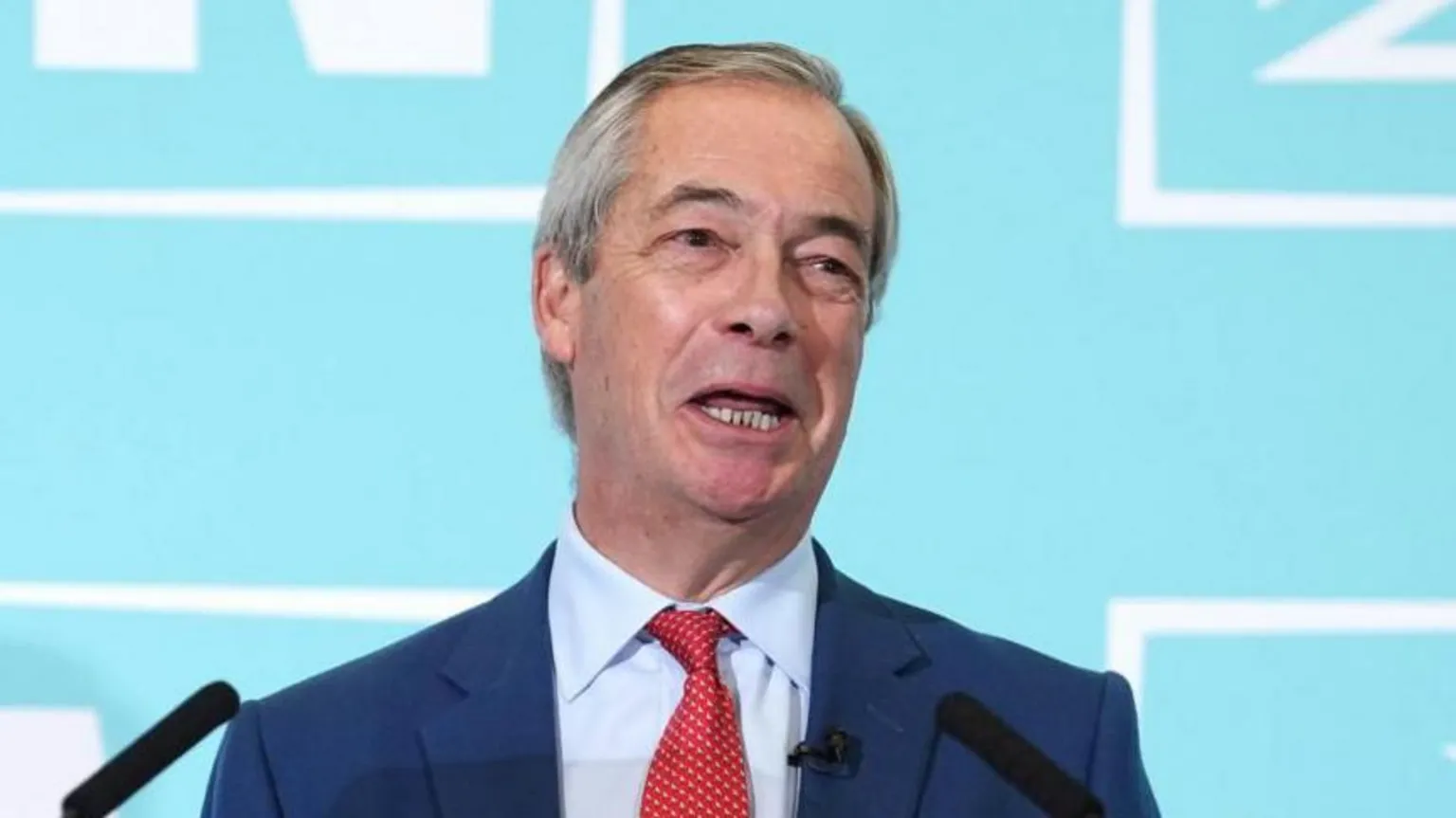
The Guardian uncovered the recording, which was made in July 2025 after a Cameo user requested Farage to record a wedding greeting for “Toby and Sam.” The user’s script reportedly asked him to say the number of Welsh guests was “far too many foreigners for me.”
Farage has produced several Cameo videos, and these payments were part of financial interests he failed to register on time, leading to a breach of MPs’ rules earlier this year.
A spokesperson for Farage defended the video, stating, “A Cameo is a short personalised message requested by members of the public and should not be treated as political statements or campaign activity.”
Political Backlash Across Wales
Farage’s comments immediately drew sharp rebuke from all major Welsh parties. Darren Millar, Welsh Conservative Senedd leader, condemned the remarks as a “gross insult to the people of Wales.” He added, “These comments suggest that Reform UK doesn’t care about Wales, our language, our culture or our heritage.”
The Welsh Labour Party echoed these sentiments, accusing Farage of expressing “disdain for the people of Wales and the Welsh language.”
Plaid Cymru, the Welsh nationalist party, took to social media to declare that Reform UK “was not fit to be anywhere near power in Wales.”
Jane Dodds, leader of the Welsh Liberal Democrats, labelled Farage’s words “disgraceful” and a sign of “sneering ignorance.” Meanwhile, the Wales Green Party accused Farage of showing “no respect for Wales at all,” describing his remarks as “glib” and hateful.
Despite the uproar, James Evans, a Reform Member of the Senedd, sought to distance the party from the remarks, emphasising the importance of the Welsh language and affirming, “Wales, let me be very clear, is a bilingual nation. We speak English and Welsh, and whatever language you speak, you should feel welcome in our country.”
Why This Matters Ahead of the Senedd Election
The controversy comes at a sensitive moment for Welsh politics. With the 2026 Senedd election only seven weeks away, parties across the spectrum are competing for influence in Cardiff Bay. Recent polls suggest a tight race between Labour, Plaid Cymru, and Reform UK, making Farage’s comments particularly damaging.
The Senedd, Wales’ devolved parliament, holds significant powers over areas such as health, education, and culture, including the promotion of the Welsh language. Respect for Welsh identity and bilingualism remains a cornerstone of political life in Wales.
Farage’s remarks not only insult a large portion of the Welsh electorate but also risk alienating voters who value the preservation of their language and culture. Political analysts warn that such controversies could sway undecided voters and undermine Reform UK’s credibility in the region.

What This Means for Wales and the Future
This incident highlights the deep cultural sensitivities surrounding language and identity in Wales. The Welsh language is more than just a means of communication; it represents centuries of history and national pride. Public figures, especially political leaders, are expected to show respect and understanding.
Farage’s comments reveal a disconnect between Reform UK and significant aspects of Welsh society. Whether this controversy will impact the party’s performance in the upcoming election remains to be seen, but it has certainly galvanized opposition parties to rally against what they perceive as disrespect and cultural insensitivity.
As the Senedd election approaches, all parties face the challenge of engaging with voters in a way that honours Wales’ unique linguistic heritage while addressing pressing political issues.
In conclusion, Nigel Farage’s “foreign speakers” remark has triggered a political storm that underscores the importance of cultural respect in Welsh politics. With the Senedd election looming, the incident may shape campaign dynamics and voter attitudes in the weeks ahead.