Norway’s majestic fjords draw millions of visitors each year, captivated by their breathtaking beauty and pristine environment. But as tourism surges, the challenge intensifies: how can this natural wonderland accommodate travelers without compromising its fragile ecosystem? The answer may lie in pioneering green technologies and a commitment to sustainability, showcasing a blueprint for eco-friendly tourism worldwide.
The Rise of Eco-Conscious Travel in Norway’s Fjords
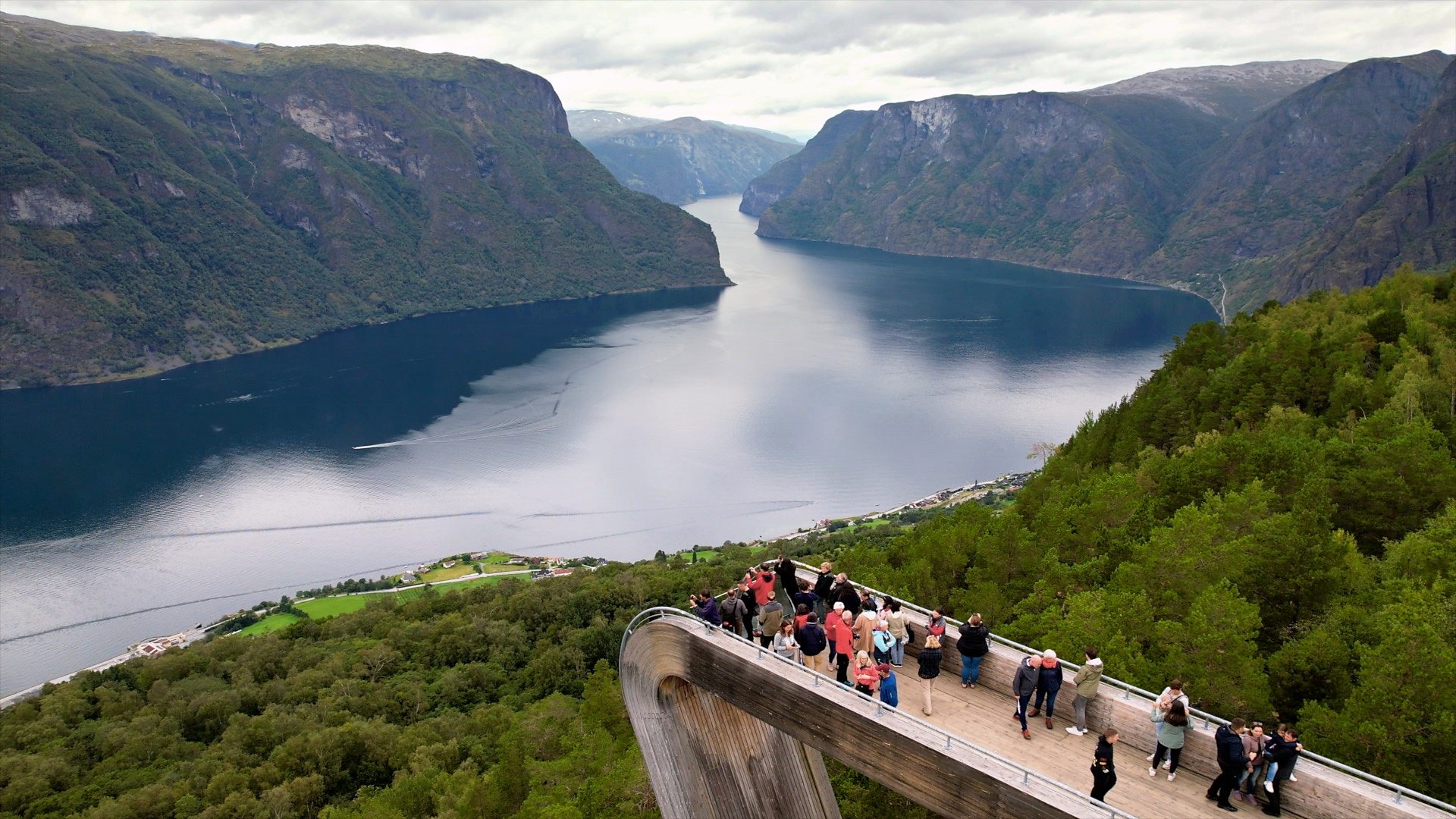
The fjords of Norway are among the most iconic landscapes on the planet, characterized by deep glacial valleys carved out over millennia. These dramatic waterways attract tourists from across the globe, eager to experience their serene waters, towering cliffs, and cascading waterfalls. However, the influx of visitors has raised environmental concerns, including carbon emissions from traditional diesel-powered cruise ships and local transportation.
Recognizing the urgent need to protect these natural treasures, Norway has embarked on an ambitious journey to reinvent its tourism sector with sustainability at the forefront. This transformation aims to balance economic benefits with environmental responsibility, ensuring the fjords remain unspoiled for future generations.
Electric Boats: Revolutionizing Fjord Transportation
One of the most visible steps toward greener tourism is the introduction of electric boats. Traditional ferries and sightseeing vessels typically run on fossil fuels, contributing to air and noise pollution that disrupts both wildlife and visitor experiences. Electric boats offer a compelling alternative, combining zero emissions with quiet operation.
Alasdair Keane recently experienced this firsthand while boarding one of Norway’s new electric vessels. These boats are powered by advanced battery systems, enabling them to navigate the fjords without releasing harmful pollutants. The adoption of electric boats not only reduces the carbon footprint of tourism but also enhances the natural ambiance, allowing passengers to immerse themselves fully in the tranquil surroundings.
Norway’s commitment extends beyond boats to include charging infrastructure and incentives for operators to transition from diesel to electric power. This integrated approach signals a transformative shift in how transportation within the fjords will be managed moving forward.
Innovations in Sustainable Electronics for Tourism
Beyond transportation, sustainability efforts also target the technology sector supporting tourism. Yasmin Morgan-Griffiths explores efforts to make electronic circuits—essential components in devices like navigation systems, cameras, and communication tools—more recyclable. Electronic waste is a growing global problem, and improving recyclability addresses environmental impacts at the source.
Designing circuits for easier disassembly and reuse reduces hazardous waste and conserves valuable materials. Implementing such innovations within tourism-related electronics can minimize environmental harm while maintaining the high-tech services visitors expect. This holistic approach ensures that sustainability permeates every aspect of the visitor experience, from how people arrive to the gadgets they use.
Why Sustainable Tourism in Norway’s Fjords Matters
Norway’s proactive measures serve as a vital case study in sustainable tourism, demonstrating how natural beauty and economic vitality can coexist. By embracing electric transportation and recyclable electronics, the fjords are setting a global standard for reducing tourism’s ecological footprint.
These efforts also have broader implications. They encourage other regions to adopt similar green technologies, fostering a worldwide movement toward responsible travel. For local communities, sustainable tourism preserves livelihoods dependent on nature’s health, while visitors gain authentic, environmentally conscious experiences.
Looking Ahead: The Future of Green Tourism in Norway
As Norway continues to innovate, the success of these initiatives will depend on continued investment, public support, and technological advances. The fjords’ future as a thriving, sustainable destination hinges on maintaining this delicate balance between accessibility and conservation.
For travelers seeking to explore the wonders of Norway’s fjords, the rise of green tourism offers an inspiring message: it is possible to enjoy the planet’s most spectacular places while actively protecting them. This evolving story confirms that environmental stewardship and tourism growth can move forward hand in hand.