

The mother of one of the victims in the tragic Nottingham attack has expressed a profound sense of validation after hearing a senior police officer admit that the killings were considered murder from the outset. This admission contrasts sharply with the legal outcome, where the accused was convicted of manslaughter due to diminished responsibility.
The Tragic Case and Legal Outcome
On 13 June 2023, Valdo Calocane carried out a terrifying attack that claimed the lives of three people: Barnaby Webber, the son of Emma Webber and a classmate of Calocane’s; Grace O’Malley-Kumar; and caretaker Ian Coates. In addition to these fatalities, Calocane attempted to kill three others before being stopped and subsequently detained indefinitely in a psychiatric unit.
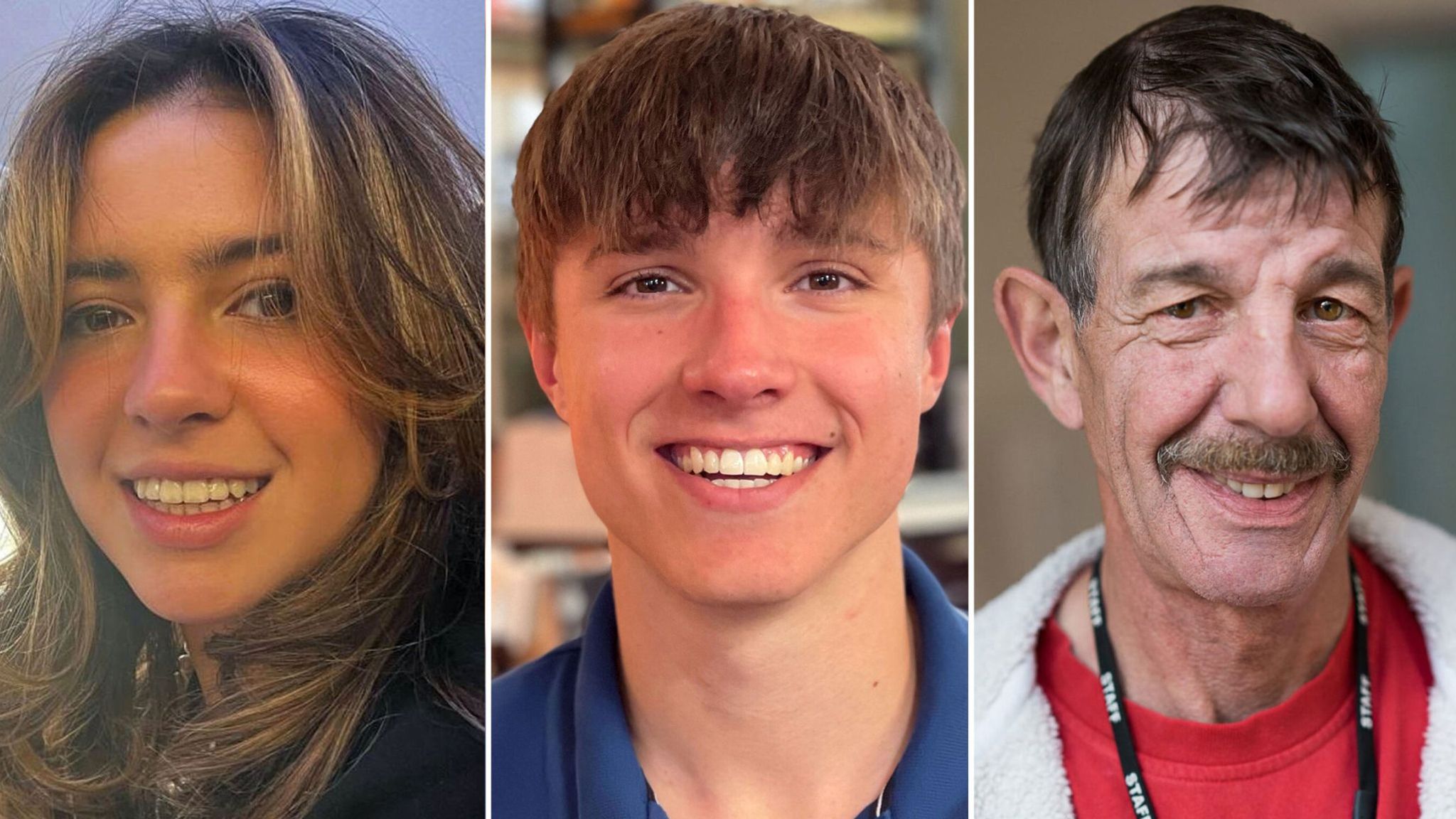
Despite the severity of the attack, Calocane admitted to manslaughter and attempted murder charges but denied murder, citing diminished responsibility. This defense was accepted by prosecutors, preventing a murder trial and leading to his indefinite psychiatric detention rather than a prison sentence.
Police Investigation and Inquiry Revelations
A public inquiry is now underway, scrutinizing the police investigation and systemic failings that allowed Calocane to remain free despite his history. Calocane was known to have schizophrenia, a violent past, and was subject to an outstanding arrest warrant that had not been enforced for over nine months before the attack.
Wednesday’s inquiry hearing focused on the police investigation itself. Detective Superintendent Leigh Sanders, who has since retired, revealed that he personally believed Calocane’s actions were “in cold blood,” and that he had documented his view that the killings were murder shortly after the incident. He described Calocane’s behavior as planned and rational, stating, “My impression was that he was acting of his own free will… I believed he had murdered in cold blood three people.”
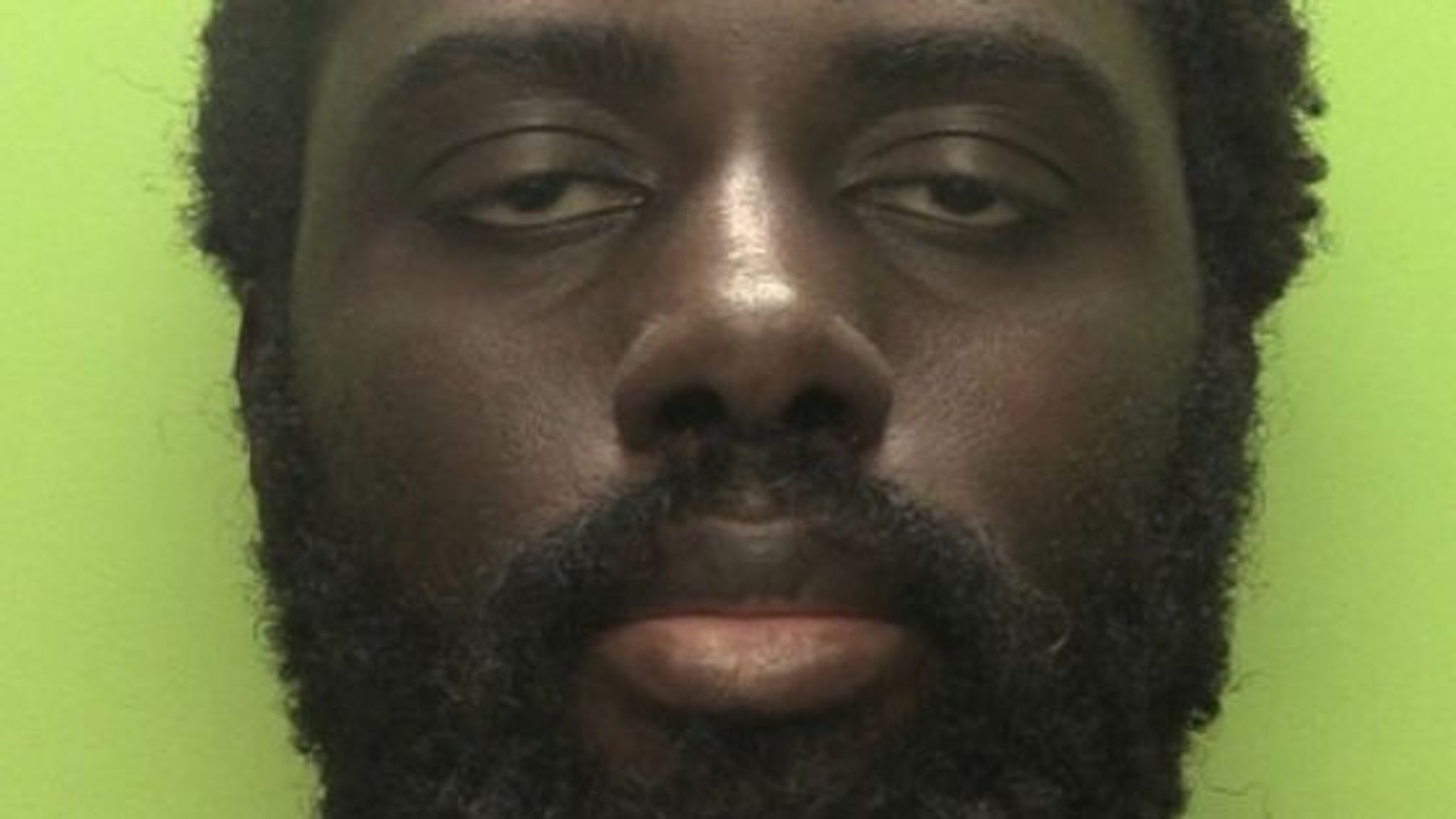
Sanders also acknowledged that some officers on his team were upset that Calocane avoided a jury trial for murder. He apologized to the victims’ families for failing to collect a hair sample from Calocane to test for drug use at the time of his arrest. Although this omission was partly attributed to a lack of consent and Calocane’s absence of a drug abuse history, Sanders conceded that such a sample might have challenged the diminished responsibility defense later used.
Family’s Reaction and Ongoing Inquiry Concerns
Emma Webber, mother of Barnaby, told The UK Tonight with Sarah-Jane Mee that the police officer’s admission felt like “validation” after months of fighting for recognition of the attack’s true nature. She described the police’s toxicology strategy as a “very hot point” and criticized the failure to collect key biological samples such as blood, urine, or hair, despite taking other forensic evidence like nail scrapings and body mapping.
Emma Webber expressed frustration with the inquiry’s revelations, saying, “Every single day, without exception, there’s been more information revealed that has shocked and horrified us.” She highlighted not only the evidence itself but also what she characterized as the arrogance and refusal of witnesses to admit clear failings within the investigation process.
The inquiry, now in its fourth week and scheduled to run until June, aims to produce a detailed report next year. It has already uncovered significant procedural breakdowns, including why police failed to act on the outstanding arrest warrant and why Calocane was not apprehended after assaulting two factory colleagues in Leicestershire a month before the killings.
Why This Inquiry Matters
This investigation is critical for understanding how multiple system failures allowed a known violent individual with severe mental health issues to remain at large and commit a devastating attack. The inquiry’s findings could drive reforms in police protocol, mental health interventions, and inter-agency communication to prevent future tragedies.
For the families affected, the inquiry is not only about uncovering what went wrong but also about ensuring accountability and safeguarding others from similar harm. Emma Webber’s reaction underscores the emotional toll of the investigation and the urgent need for transparency and justice.
Looking Ahead
As the public inquiry continues, it will delve deeper into the police’s decisions, the role of mental health evaluations, and whether the criminal justice system adequately balanced compassion with public safety. The acknowledgment by a senior officer that the killings were murder offers a pivotal moment of truth, yet it also raises pressing questions about why the legal process followed a different path.
The coming months will be crucial in shaping policy changes and restoring public confidence in how violent incidents involving mental illness are handled. Families like Emma Webber’s remain determined to see the full truth emerge and to ensure that such a tragedy never recurs.