


Britain faces a mounting obesity crisis that experts warn is far more severe than previously believed, demanding urgent and robust government intervention. New findings reveal that the prevalence of obesity across the UK may have been dramatically underestimated, signaling a public health emergency that threatens to overwhelm healthcare resources and impact millions of lives.
The Growing Scope of Britain’s Obesity Epidemic
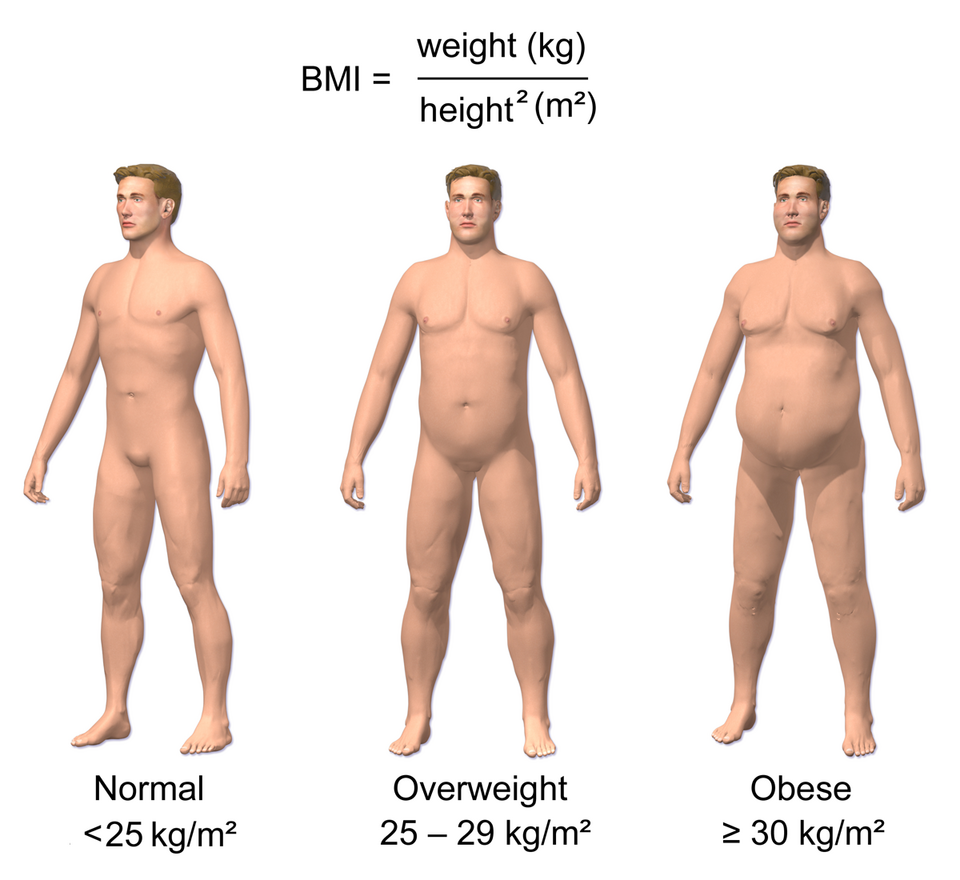
The National Obesity Forum, a leading authority on weight-related health issues, has issued a stark warning that the UK’s obesity problem is accelerating faster than forecasts made over a decade ago. Their latest report suggests that the country is on track to exceed the grim projections outlined in the 2007 Foresight Report, which predicted that by 2050, half of the British population could be classified as obese.
Back in 2007, the Foresight Report painted a sobering picture of the future, estimating that obesity would affect 50% of the population by mid-century and impose an annual economic burden approaching £50 billion. However, recent data and expert analysis now indicate that these figures may be too conservative, with the true scale of the crisis potentially surpassing those early warnings.
As obesity rates climb, the impact extends beyond individual health to strain the National Health Service (NHS), affecting care delivery and increasing costs related to chronic diseases such as diabetes, heart disease, and certain cancers. This expanding burden underscores the necessity for immediate and comprehensive strategies to curb the trend.
Urgent Calls for Action: What Experts Recommend
The National Obesity Forum’s report emphasizes the need for decisive measures to reverse the epidemic trajectory. Among their key recommendations is the implementation of vigorous public health campaigns modeled after successful anti-smoking initiatives. These campaigns would aim to elevate public awareness about the dangers of obesity and promote healthier lifestyle choices at a population level.
Moreover, the Forum advocates for a more proactive role by healthcare professionals. General practitioners are urged to routinely address weight management during consultations, including measuring waist circumference as a standard practice. Such direct engagement could help identify at-risk individuals earlier and facilitate timely interventions.
Professor David Haslam, chairman of the National Obesity Forum, highlighted the urgency of the situation: “We are now seven years beyond the Foresight Report and the obesity situation in the UK is not improving. In fact, the forecasted ‘doomsday’ scenario may underestimate the true magnitude of the problem.”
He further stressed the importance of a coordinated approach, stating, “There is much more we can do through earlier intervention and encouraging the public to adopt sensible health practices. However, this must be supported by strong government leadership and responsible behavior from food and drink manufacturers and retailers.”
A Collective Responsibility: National and Local Efforts
Professor Kevin Fenton, director of health and wellbeing at Public Health England (PHE), echoed the call for comprehensive action, emphasizing that obesity is a complex issue requiring coordinated efforts at multiple levels. “Obesity is an international problem,” he said, “and tackling it involves national policies, local initiatives, family involvement, and individual commitment.”
PHE remains dedicated to supporting a variety of strategies designed to make healthier choices more accessible and appealing. This includes improving local environments to encourage physical activity and facilitating access to nutritious foods, thereby helping people eat less and move more with greater ease.
Professor Fenton also emphasized that children represent a particularly vulnerable group who need focused attention to prevent lifelong health consequences. By fostering healthier habits early in life, the potential for reducing obesity rates over the long term increases significantly.
Why This Matters and What Comes Next
The escalating obesity crisis in Britain carries profound implications for public health, healthcare systems, and the economy. If left unchecked, the projected rise in obesity rates threatens to exacerbate chronic disease prevalence, reduce quality of life, and inflate medical expenditures substantially.
Addressing this challenge requires a multi-faceted approach that combines public education, clinical engagement, regulatory oversight, and community-level support. Government leadership is crucial to enforce policies that promote healthier food environments, regulate marketing practices, and incentivize physical activity.
Equally, empowering healthcare providers to identify and support individuals struggling with weight issues can facilitate earlier intervention and better health outcomes. Public health campaigns must resonate broadly to shift cultural attitudes and motivate sustainable behavior changes.
In conclusion, the National Obesity Forum’s warnings serve as a critical call to arms. The prospect of surpassing the already alarming predictions of obesity prevalence demands immediate, concerted action across society. Only through a comprehensive and sustained effort can Britain hope to reverse this dangerous trend and safeguard the health of future generations.