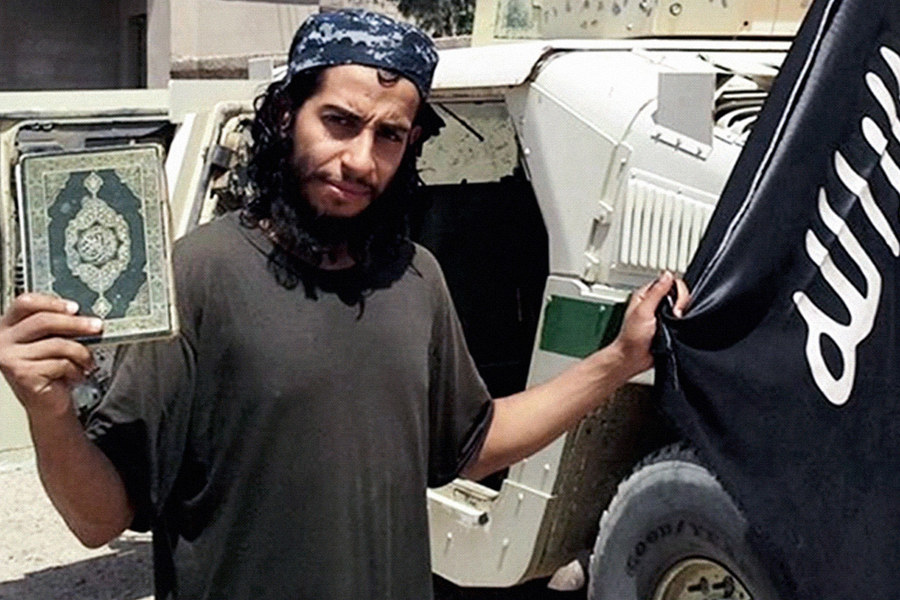
The death of Abdelhamid Abaaoud, the suspected mastermind behind the devastating Paris attacks, marks a pivotal moment in France’s ongoing fight against terrorism. French authorities confirmed that Abaaoud was killed during a high-stakes police raid in the Paris suburb of Saint Denis on Wednesday. His body, discovered riddled with bullets and shrapnel, was identified through fingerprints, confirming the end of one of Europe’s most wanted Islamist militants.
How the Saint Denis Raid Unfolded
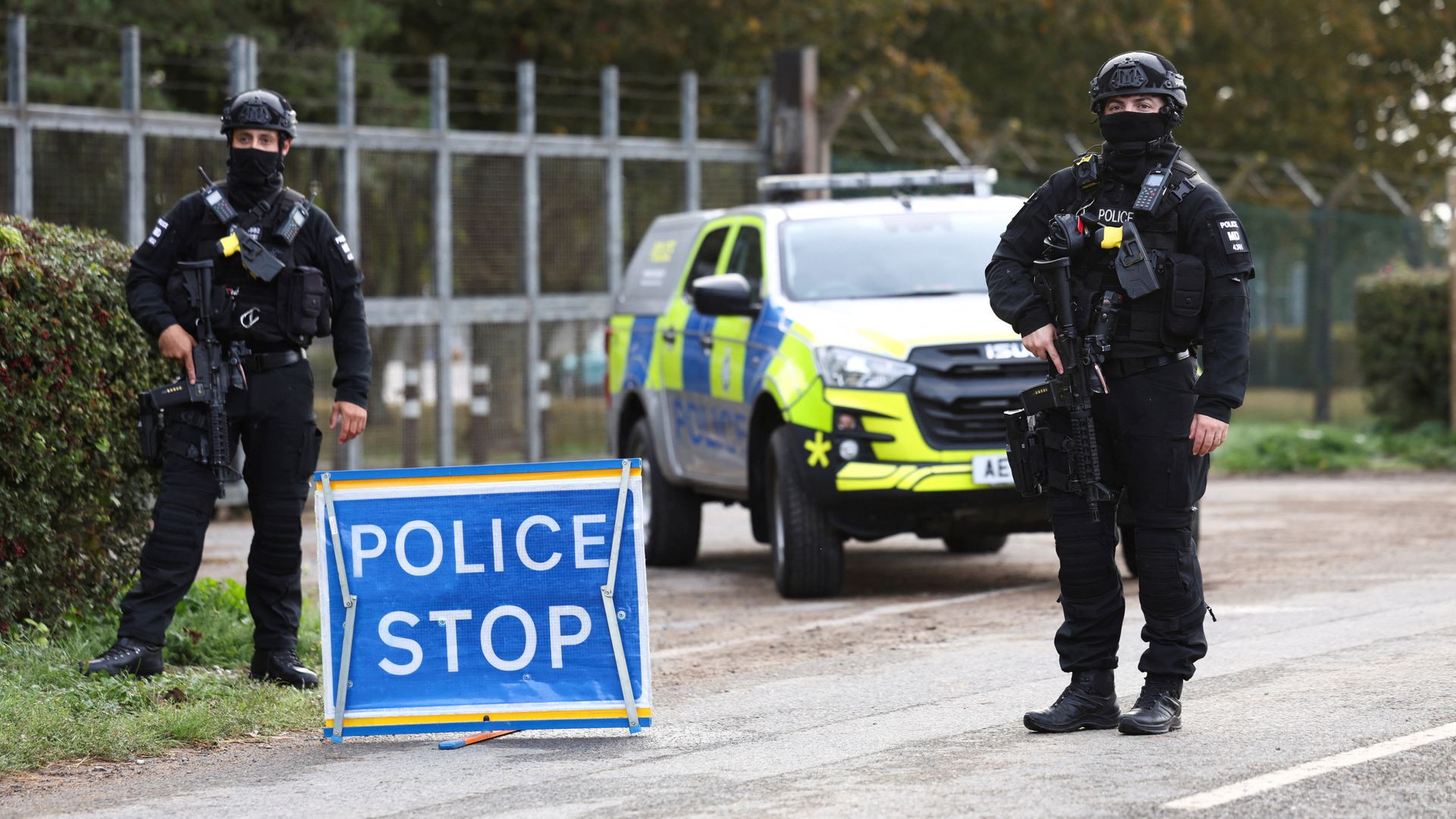
French police launched a meticulously planned operation on the Saint Denis apartment following a critical intelligence tip-off that Abaaoud was hiding in the area. The raid involved heavily armed officers storming the building in a bid to capture the fugitive. During the confrontation, eight people were arrested, and at least two militants were killed, including a woman reported by French media to be Abaaoud’s cousin, who died after detonating a suicide vest. It remains unclear whether Abaaoud himself detonated an explosive or was killed by police gunfire.
Interior Minister Bernard Cazeneuve revealed that the crucial intelligence regarding Abaaoud’s presence in Europe came from a non-EU foreign intelligence service, specifically Moroccan authorities, alerting France that he had passed through Greece. This revelation triggered the swift operation that ended with his death on November 18, just five days after the horrific attacks in Paris.
__IMAGE_PLACEHOLDER_1__
Tracing Abaaoud’s Movements and Links
Understanding the trajectory of Abdelhamid Abaaoud clarifies how he managed to orchestrate attacks on European soil despite being a high-profile target. His journey began in 2013 when he first traveled to Syria and joined the Islamic State (IS). Over time, he emerged as a visible figure in IS propaganda, reflecting his deep involvement with the terrorist organization.
In early 2014, specifically on January 20, Abaaoud passed through Germany’s Cologne-Bonn airport en route to Istanbul, before returning to Syria. His movements were closely monitored but remained under the radar of European security services. By January 2015, his mobile phone was traced to Greece, where he reportedly made calls linked to an Islamist cell in Verviers, Belgium. This demonstrated his ability to navigate between conflict zones and Europe, potentially exploiting refugee routes.
On November 16, three days after the Paris attacks, foreign intelligence alerted France that Abaaoud had again entered Europe via Greece, and shortly after, police received a tip-off confirming his presence on French soil. This information was vital to mounting the Saint Denis raid.
__IMAGE_PLACEHOLDER_2__
Broader Implications of the Paris Attacks and Abaaoud’s Role
The Paris attacks on November 13 shocked the world, leaving 129 people dead and hundreds more injured. They involved coordinated gunfire and suicide bombings targeting multiple locations across the city, including outside the Stade de France. One attacker at the stadium was identified through fingerprints as a migrant registered in Greece, highlighting the complex links between migration flows and terrorist movements.
Abaaoud was implicated not only in the November attacks but also suspected of involvement in at least four out of six foiled terror plots in France since spring 2015. Notably, he was connected to an attempted attack on a church near Paris in April and was under investigation for ties to a foiled attack on a high-speed train from Amsterdam to Paris in August. In Belgium, he had links to an Islamist cell dismantled in January in Verviers, which resulted in the deaths of two gunmen during a police raid.
These connections underscore Abaaoud’s role as a central figure in an extensive terror network spanning multiple European countries.
What This Means for Europe’s Security
The revelation that Abaaoud traveled undetected from Syria to Europe, potentially hiding among migrants arriving in Greece, has sent shockwaves through European security agencies. Interior Minister Cazeneuve emphasized the urgent need for Europe to awaken to the terrorist threat, organize more effective cross-border cooperation, and strengthen defenses against such infiltrations.
In response to the attacks and the unfolding investigation, France has taken several decisive steps. The French Parliament extended the state of emergency for an additional three months from November 26, granting authorities enhanced powers to counter terrorism. President François Hollande ordered an intensification of air strikes against IS targets in both Iraq and Syria, signaling France’s commitment to combating the terrorist group abroad as well as at home.
Prime Minister Manuel Valls issued a stark warning about the possibility of future chemical or biological attacks by terror groups, underlining the evolving nature of the threat facing France and Europe.
Meanwhile, law enforcement continues to pursue other suspects linked to the Paris attacks, including Salah Abdeslam, who is believed to have fled to Belgium after the attacks. Belgian authorities arrested nine individuals in connection with the attacks, and further searches were conducted in both Belgium and France as investigations deepen.
__IMAGE_PLACEHOLDER_3__
Looking Forward: Lessons and Challenges
The death of Abdelhamid Abaaoud closes a significant chapter in the immediate aftermath of the Paris attacks but opens a wider conversation about the challenges Europe faces in preventing terrorism. His ability to evade detection despite being a high-profile target exposes vulnerabilities in current intelligence-sharing and border control systems. The use of migrant routes by terrorists complicates humanitarian and security policies, demanding nuanced and coordinated approaches across the European Union.
As France and its allies intensify efforts to dismantle terrorist networks, the lessons learned from this tragic episode will likely influence counterterrorism strategies for years to come. The imperative now is clear: European countries must enhance cooperation, intelligence exchange, and preparedness to effectively protect their citizens from similar threats in the future.