Details of the Crash and Immediate Response
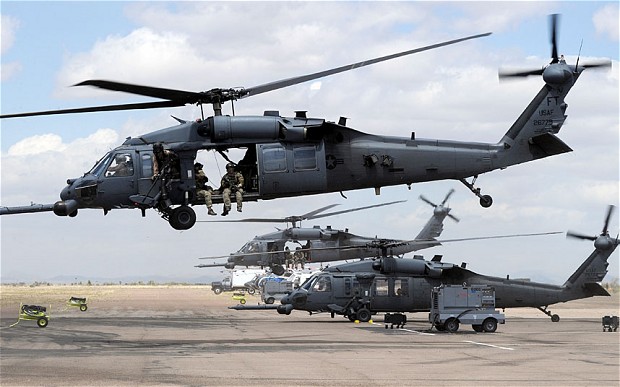
The helicopter involved is an HH-60G Pave Hawk, a specialized variant of the Black Hawk helicopter, stationed at RAF Lakenheath in Suffolk, which hosts United States Air Force units. According to an official statement from the USAF, the aircraft was engaged in a training mission when the accident occurred.
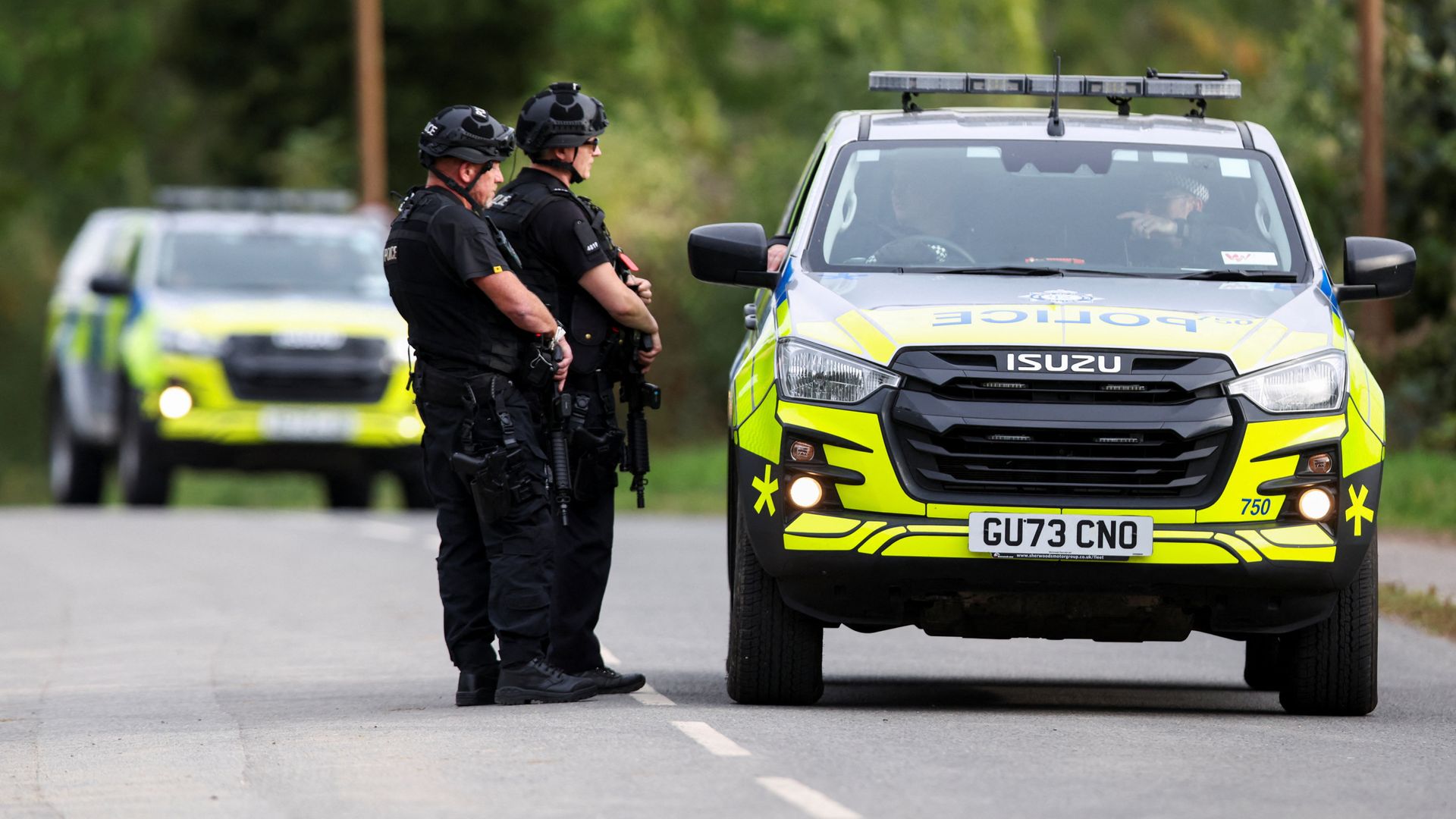
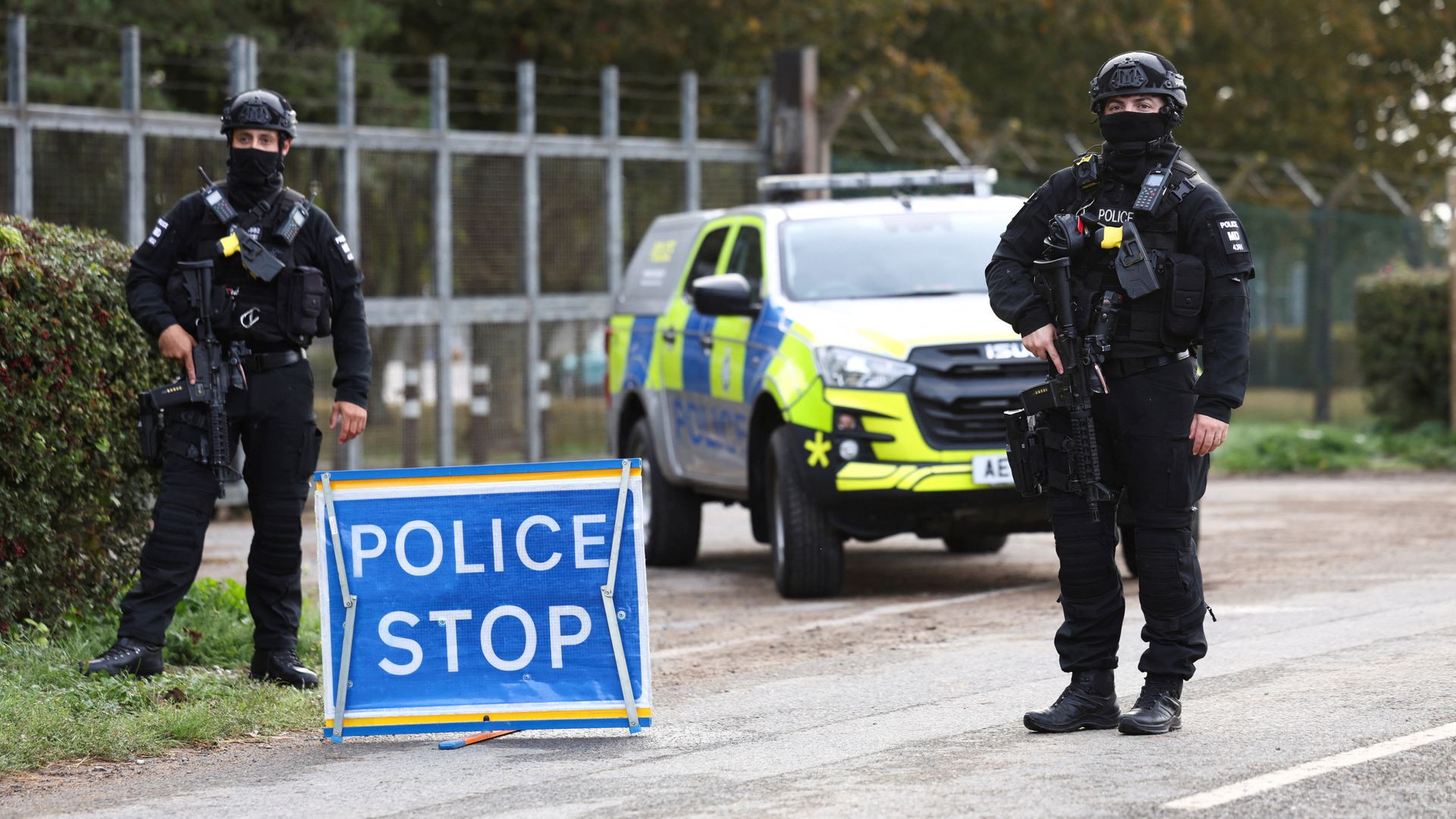
Emergency services swiftly responded to the scene in the Cley area, establishing a 1,200-foot (approximately 400-meter) cordon around the crash site. Authorities have allowed residents to remain in their homes but have diverted pedestrians and motorists away from the vicinity due to the presence of live ammunition on board the helicopter. This precaution underscores the potential hazards faced by first responders and the public alike.
Witness accounts provide a vivid picture of the event. Local resident Michael Girling recounted seeing the helicopter descend, initially mistaking it for a landing on the beach before realizing it had ditched in the marshlands of the nature reserve. Another witness, Brian Egan, observed two military helicopters conducting low-altitude maneuvers nearby at night, consistent with the region’s known use for training exercises.

The Significance of the Pave Hawk Helicopter
The HH-60G Pave Hawk plays a critical role in the US military’s special operations and search and rescue missions. Designed as a modified version of the Army Black Hawk, it boasts upgraded communications and navigation systems, including night vision goggles and infrared equipment, allowing for effective night-time, low-level flight operations.
Primarily, the Pave Hawk is tasked with conducting rescue operations in hostile or challenging environments, facilitating the recovery of isolated soldiers during wartime. Beyond combat zones, it serves humanitarian missions, such as medical evacuations, disaster relief, and civilian search and rescue. Its deployment history includes high-profile operations following Hurricane Katrina in 2005 and relief efforts after the 2011 earthquake and tsunami in Japan.
Despite its robust capabilities, the Pave Hawk is not heavily armed, typically equipped with rapid-fire machine guns for defense rather than offensive operations. Its design emphasizes versatility and survivability in complex rescue scenarios.
Potential Causes and Broader Context
Speculation has emerged that the helicopter may have been brought down by a bird strike, a known hazard for aircraft operating in or near bird sanctuaries. The crash site’s location within a nature reserve famed for waterfowl supports this theory. Pilot Paul Beaver noted that nocturnal bird activity is common in this area, increasing the risk of collisions during low-level night flights.
Bird strikes pose a significant threat to aviation safety worldwide, especially for helicopters conducting low-altitude operations where avoidance is more challenging. The possibility that wildlife contributed to such a tragic outcome highlights the inherent risks faced by aircrew during training missions in ecologically sensitive environments.
The training mission itself reflects ongoing military preparedness, as RAF Lakenheath and its US Air Force personnel maintain readiness through frequent exercises in diverse conditions. This incident underscores the balance between operational necessity and environmental factors that can impact flight safety.
Local Impact and Community Response
Cley-Next-The-Sea, a picturesque village situated along the Norfolk coast, is widely known for its historic windmill, church, and especially its nature reserve, a hotspot for birdwatchers and tourists. The village and surrounding marshes attract visitors who appreciate the tranquil landscape and abundant wildlife.
The crash has deeply affected the community. Richard Kelham, chairman of the Cley Parish Council, expressed sorrow over the event, emphasizing the sensitivity of the crash location within the bird reserve and the seriousness of the incident. Locals described heavy emergency presence, including multiple fire engines, police, and a helicopter with searchlights scanning the marshlands.
Residents also reported unusual helicopter activity in the days leading up to the crash, indicative of ongoing training operations. The coastal road and marshes remain closed to ensure public safety and facilitate the investigation.
What This Means Moving Forward
This tragic accident brings into sharp focus the dangers inherent in military aviation training, particularly in environments where natural and operational hazards intersect. The loss of four lives is a sobering reminder of the risks that service members face even outside of combat zones.
Investigations will likely explore all factors, including mechanical issues, pilot error, and environmental conditions such as bird strikes. The presence of live ammunition on board the helicopter adds a layer of complexity to both the emergency response and the subsequent inquiry.
Moreover, the incident highlights the importance of balancing military readiness with environmental stewardship. Training in ecologically sensitive areas, while sometimes necessary, requires stringent risk mitigation to protect both human life and wildlife.
As authorities continue their work, the community’s resilience and the dedication of emergency personnel remain paramount. The lessons learned from this crash will contribute to improving safety protocols for future operations involving Pave Hawk helicopters and similar aircraft.
In the meantime, the serene landscape of north Norfolk mourns the loss and awaits answers, as the military and local authorities collaborate to understand what went wrong on that fateful night.