

Sir Keir Starmer faced intense scrutiny in the House of Commons over whether he personally discussed Peter Mandelson’s controversial links to convicted sex offender Jeffrey Epstein before appointing the peer as the UK’s ambassador to the United States. Despite repeated questioning from Conservative leader Kemi Badenoch, the Prime Minister declined to confirm if such a conversation took place, instead apologizing for the appointment itself and shifting focus to criticize Badenoch’s stance on Iran.
The Epstein Files and Mandelson’s Appointment
Last week, the government released the first batch of documents related to Lord Mandelson’s controversial appointment amid growing public and parliamentary pressure. The 147 pages revealed that senior officials, including the Prime Minister’s team, were warned about the potential “reputational risk” posed by Mandelson’s association with Epstein.
Among the documents was a 2019 report commissioned by US bank JP Morgan, highlighting that Epstein appeared to “maintain a particularly close relationship” with Mandelson. The files also disclosed that Mandelson stayed at Epstein’s residence in June 2009, while Epstein was incarcerated.
Lord Mandelson was removed from his ambassadorial role in September following fresh revelations about his friendship with Epstein. Sir Keir Starmer has publicly stated he was unaware of the full extent of Mandelson’s relationship with Epstein at the time of the appointment.
Further disclosures in US-based Epstein files earlier this year triggered a leadership crisis for Starmer’s administration, culminating in the resignation of his key aide, Morgan McSweeney.
PM’s Response and Parliamentary Clash
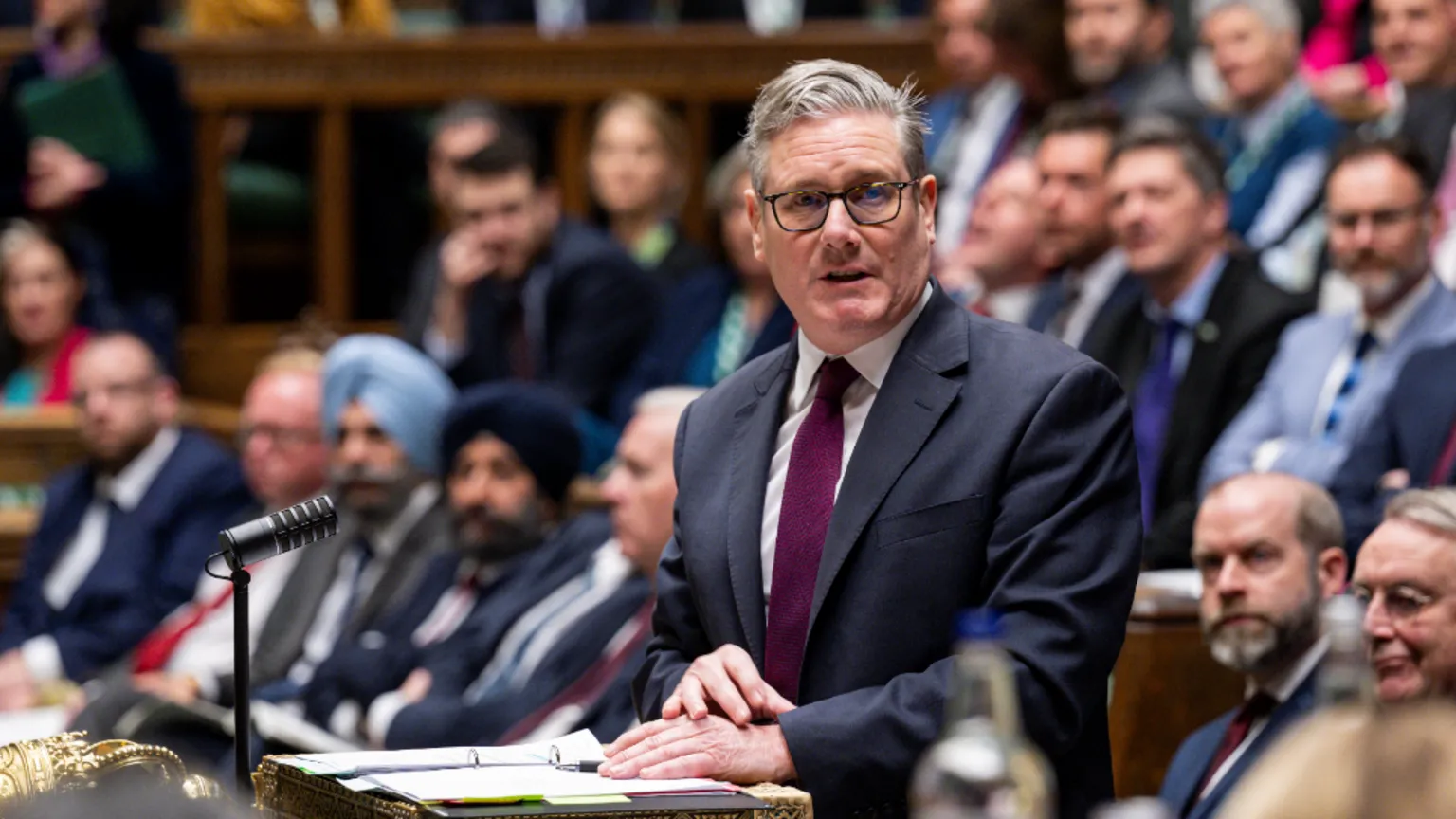
During Prime Minister’s Questions, Badenoch confronted Starmer on his decision-making process. She accused him of outsourcing critical vetting responsibilities to his staff and failing to be transparent with MPs.
“Did the prime minister personally speak to Peter Mandelson about his relationship with the convicted paedophile Jeffrey Epstein before appointing him as our ambassador to Washington?” Badenoch demanded.
Starmer responded by reiterating his apology for the appointment and emphasizing that the process was scrutinized by the independent adviser on ministerial standards. He admitted the appointment process “wasn’t strong enough” and pledged to strengthen it moving forward.
However, he deflected Badenoch’s question, instead criticizing her for advocating UK involvement in Iran without sufficient consideration of the consequences.
Badenoch pressed further, highlighting the contradiction in Starmer’s prior claims that Mandelson lied to him while refusing to confirm if he had even spoken to the peer directly.
“If the prime minister didn’t speak to him, how can he say he lied to him?” she asked.
Starmer then shifted focus again, condemning comments by Conservative shadow justice secretary Nick Timothy, who had described Muslim prayers in Trafalgar Square as an “act of domination.” Starmer called for Timothy’s dismissal over the remarks, while Badenoch defended her colleague as upholding British values and accused Starmer of evasion.
What the Documents Reveal About the Vetting Process
According to reports in The Times, Starmer did not conduct a personal interview with Mandelson prior to his appointment. Instead, his then-chief of staff, Morgan McSweeney, was tasked with questioning Mandelson about his Epstein links. Mandelson maintains he did not lie during these vetting processes and answered written questions truthfully after Epstein’s conviction.
A spokesperson for Downing Street clarified after PMQs that “the full process at the time of the appointment was followed,” adding there was no formal requirement for a face-to-face interview with the Prime Minister.

Why This Matters
This controversy strikes at the heart of government accountability and vetting standards for high-profile diplomatic appointments. The Mandelson-Epstein connection raises critical questions about how thoroughly candidates are vetted and how much the Prime Minister personally oversees these decisions.
Moreover, the episode illustrates the political challenges Starmer faces as he balances public trust, internal party dynamics, and intense opposition scrutiny. Badenoch’s relentless questioning underscores the opposition’s determination to hold the government accountable for perceived lapses in judgment and transparency.
For the public, the case highlights the importance of rigorous background checks for individuals entrusted with representing the UK abroad, especially when their past associations could cause significant diplomatic and reputational damage.
Looking Ahead
As the government continues to release further documents related to Mandelson’s appointment and Epstein’s network, pressure will mount on Starmer to clarify his role and decision-making process in more detail. Strengthening vetting procedures and restoring public confidence remain critical priorities for his administration.
Ultimately, this episode serves as a reminder that leadership demands both accountability and transparency, especially when sensitive issues of character and trust are at stake.