

Every spring, the enchanting blue carpets of bluebells transform ancient woodlands across south-west England into breathtaking natural displays. Yet, these delicate wildflowers face mounting threats—not only from environmental pressures but also from well-meaning visitors whose footsteps can unintentionally damage fragile ecosystems. Conservationists are now urging walkers to tread carefully and protect these iconic blooms alongside the other species that depend on the habitat.
The Significance of Bluebells in Ancient Woodlands
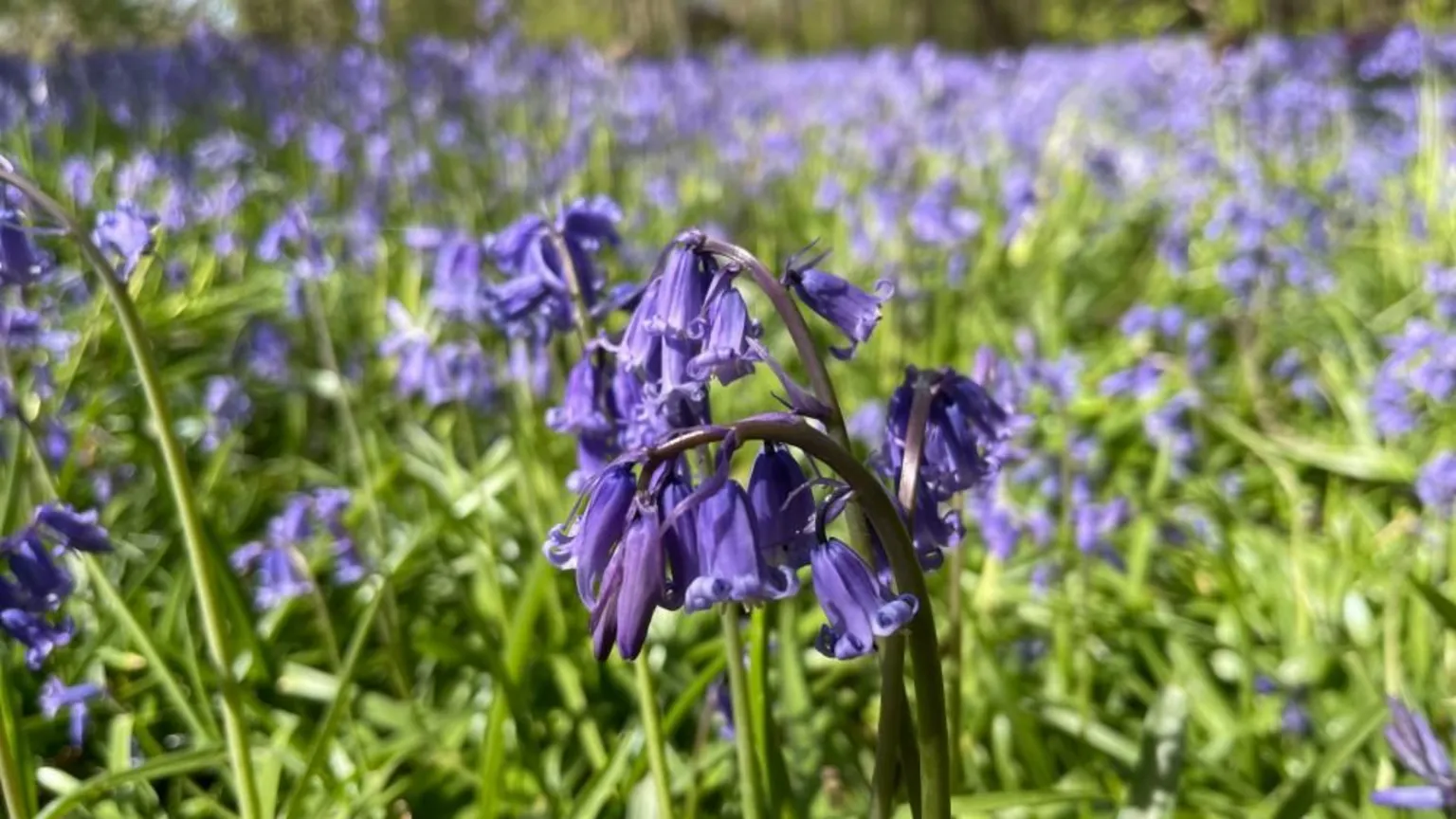
Bluebells (Hyacinthoides non-scripta) are native to western Europe, with the United Kingdom recognized as a crucial stronghold for the species. Thriving predominantly in ancient woodlands—forests that have persisted for centuries without significant disturbance—these flowers often serve as biological indicators of such long-established habitats.
In these woodlands, bluebells can reach astonishing densities, with thousands of bulbs carpeting the forest floor. This mass blooming creates the iconic blue vistas that draw nature lovers and photographers alike each spring. The presence of bluebells alongside other native plant species helps ecologists identify and preserve ancient woodland sites, which are biodiversity hotspots.
Why Trampling Threatens Bluebells and Wildlife
While the Woodland Trust encourages the public to continue enjoying and appreciating bluebell displays, they emphasize the importance of minimizing human impact on these sensitive ecosystems. Joe Middleton of the Woodland Trust explains, “We don’t need humans trampling flowers to add to the list of pressures that our wildlife is already facing.”
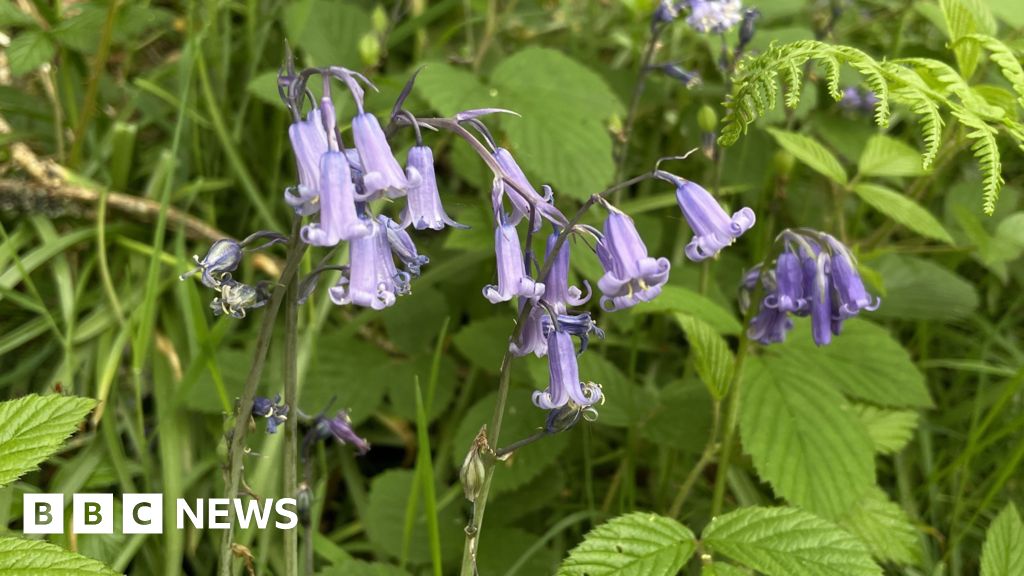
Walking off designated paths risks crushing the delicate flowers and bulbs beneath feet, causing physical damage that can reduce flowering in subsequent years. Because bluebells spread primarily through underground bulbs, trampling can destroy these reproductive structures, hindering the plants’ ability to regenerate.
Moreover, bluebell woods serve as vital habitats not just for plants but also for wildlife. Ground-nesting birds rely on the undergrowth for shelter and breeding sites during the spring. Disturbance from people straying off trails can disrupt nesting birds, leading to reduced breeding success. Joe Middleton highlights this, noting, “There are not just fragile flower populations, there’s also birds trying to nest on the ground.”
Insects, too, benefit from bluebell blooms. The flowers provide nectar sources for early-season pollinators, supporting insect populations that contribute to broader ecosystem health. Trampling risks damaging these plants and, by extension, the insects that depend on them.

Legal Protections and Responsible Visitation
The bluebell is legally protected under the Wildlife and Countryside Act 1981. This legislation prohibits digging up bluebell plants or bulbs in the countryside, making it illegal to remove them for sale or private cultivation. Landowners are also restricted from uprooting bluebells from their property for commercial purposes.
These protections acknowledge bluebells’ ecological and cultural importance, reinforcing the need for careful stewardship. Visitors to bluebell woods should adhere to marked paths, avoid stepping on flower patches, and resist the temptation to pick or dig up any part of the plant.
By following these guidelines, the public can continue to enjoy the natural spectacle of bluebells while safeguarding the rich biodiversity of ancient woodlands.
What This Means for Conservation and Visitors
Bluebells symbolize the health and longevity of ancient woodlands, which themselves face threats from development, pollution, and climate change. Human foot traffic, if unmanaged, adds an unnecessary strain on these ecosystems during critical growth and breeding periods.
Encouraging responsible visitation balances public enjoyment with conservation. Walkers can marvel at the carpets of blue without causing harm by staying on paths, supervising children and pets, and respecting all wildlife. This approach helps ensure that future generations will continue to experience the magic of bluebell woods.
As spring unfolds, it is vital that everyone who ventures into these woodlands does so with care and awareness. Protecting bluebells means protecting a whole community of plants and animals that depend on ancient woodlands—a legacy worth preserving.