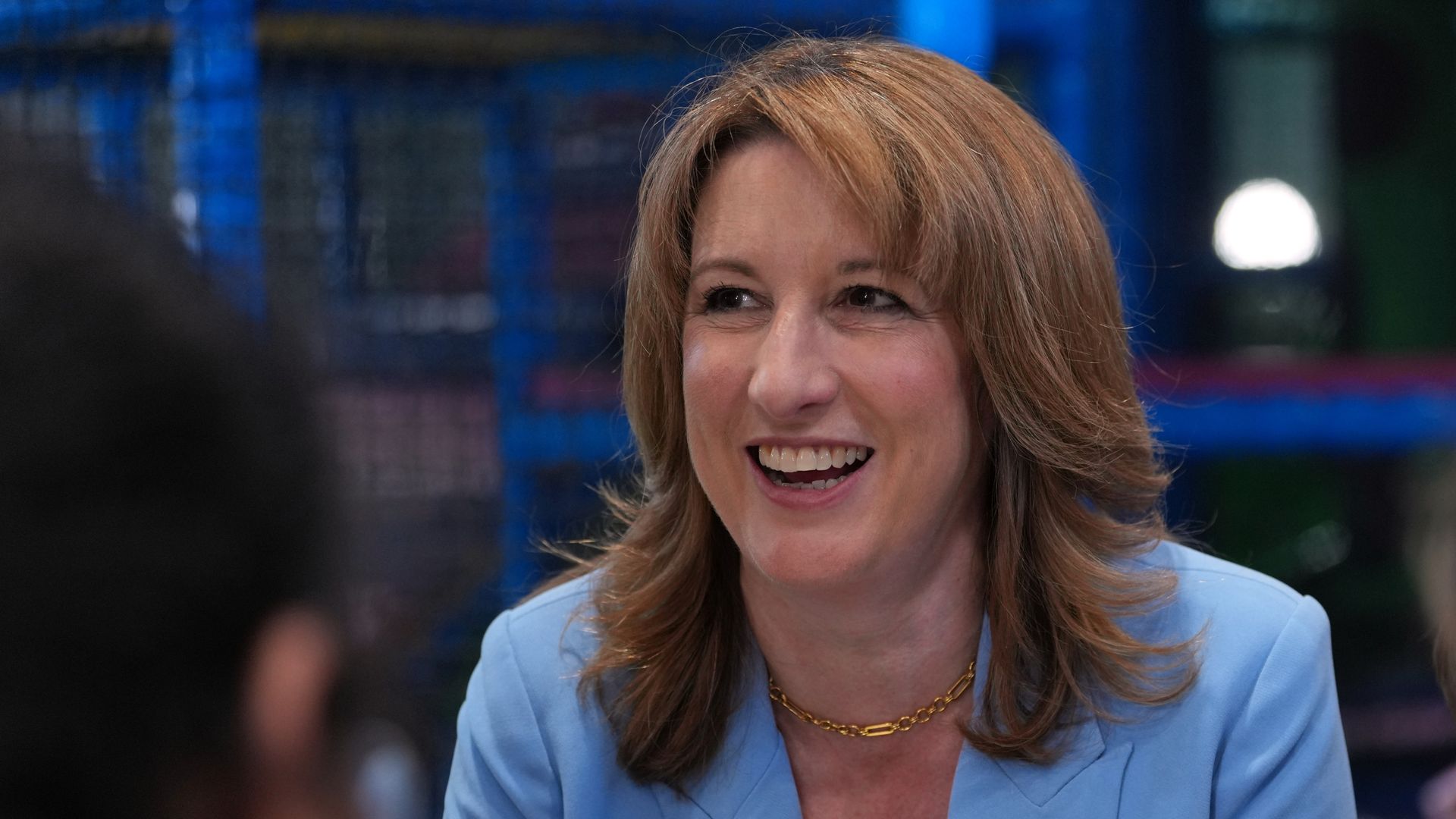
Rachel Reeves has unveiled the Great British Summer Savings, a strategic package of VAT cuts and free bus travel aimed at boosting family outings this summer. This initiative draws clear parallels to former Chancellor Rishi Sunak’s notable COVID-era stimulus, the Eat Out To Help Out scheme, but without the social distancing restrictions or the pandemic-era anxieties that clouded that period.
What Is the Great British Summer Savings Scheme?
The Great British Summer Savings package targets families seeking affordable leisure activities during the summer months. It offers reduced VAT rates on children’s meals and discounted entry fees at various leisure attractions nationwide. Additionally, it provides free bus travel to encourage families to venture out and enjoy local experiences without worrying about transportation costs.
By focusing on family-friendly dining and recreational options, the scheme aims to stimulate economic activity in sectors still recovering from the pandemic’s impact. The VAT cuts make children’s meals more accessible, encouraging families to dine out more frequently and support local businesses. Meanwhile, free bus travel reduces the overall cost barrier for families planning day trips or visits to popular summer destinations.
How Does This Compare to Eat Out To Help Out?
The Great British Summer Savings initiative inevitably invites comparisons to Rishi Sunak’s Eat Out To Help Out scheme, launched in August 2020 as an emergency economic stimulus during the height of the COVID-19 crisis. That program offered diners up to 50% off meals, encouraging people to support struggling restaurants amid lockdowns and social distancing mandates.
Unlike the earlier scheme, Reeves’ package does not incorporate social distancing restrictions or pandemic-related anxieties, allowing for a more relaxed and confident return to leisure activities. This distinction is significant, as it reflects the government’s growing confidence in public health safety and a shift toward revitalizing normal consumer behavior.
Both schemes share a common goal: to invigorate spending and revive sectors hit hard by economic downturns. However, the Great British Summer Savings broadens its focus beyond dining to include leisure attractions and public transport, presenting a more comprehensive approach to encouraging domestic tourism and family outings.
Why This Matters for Families and the Economy
As inflation and cost-of-living pressures continue to weigh heavily on British households, initiatives like the Great British Summer Savings offer tangible relief. By lowering the cost of meals and outings, the scheme provides families with opportunities to enjoy quality time together without financial strain.
For the wider economy, the initiative serves as a stimulus for the hospitality and leisure sectors, which have faced significant challenges in recent years. Increased foot traffic to restaurants, attractions, and public transport can lead to higher revenues, job retention, and potentially new employment opportunities as demand rises.
Moreover, free bus travel supports sustainable transport options, encouraging families to choose environmentally friendly ways to reach their destinations. This aligns with broader government objectives to reduce carbon emissions and promote greener travel habits.
Looking Ahead: The Potential Impact
The success of the Great British Summer Savings will likely be measured by increased consumer spending in targeted sectors and the scheme’s ability to sustain family-friendly leisure activities throughout the summer. If effective, it could serve as a model for future government interventions aimed at boosting domestic tourism and supporting communities.
Rachel Reeves’ initiative represents a strategic blend of economic stimulus and social support, designed to revive the spirit of summer outings with a fresh, post-pandemic optimism. By learning from the lessons of previous schemes, this package aims to deliver a more seamless and anxiety-free experience for families across the UK.
In summary, the Great British Summer Savings scheme offers a promising path to reinvigorating family leisure and hospitality spending this summer. It combines practical financial incentives with accessible transport options, all while echoing the successful elements of past government initiatives. For families eager to make the most of the season, this could be the perfect opportunity to explore the best of what Britain has to offer.