

British forces stationed at a coalition base in Iraq have been at the frontline of a high-stakes drone war, intercepting nearly 30 Iranian-linked drones and missiles daily during recent intense clashes. Over six relentless weeks, members of the Royal Air Force (RAF) Regiment successfully shot down more than 100 unmanned aerial threats, showcasing cutting-edge counter-drone capabilities amid escalating regional tensions between the US, Israel, and Iran.
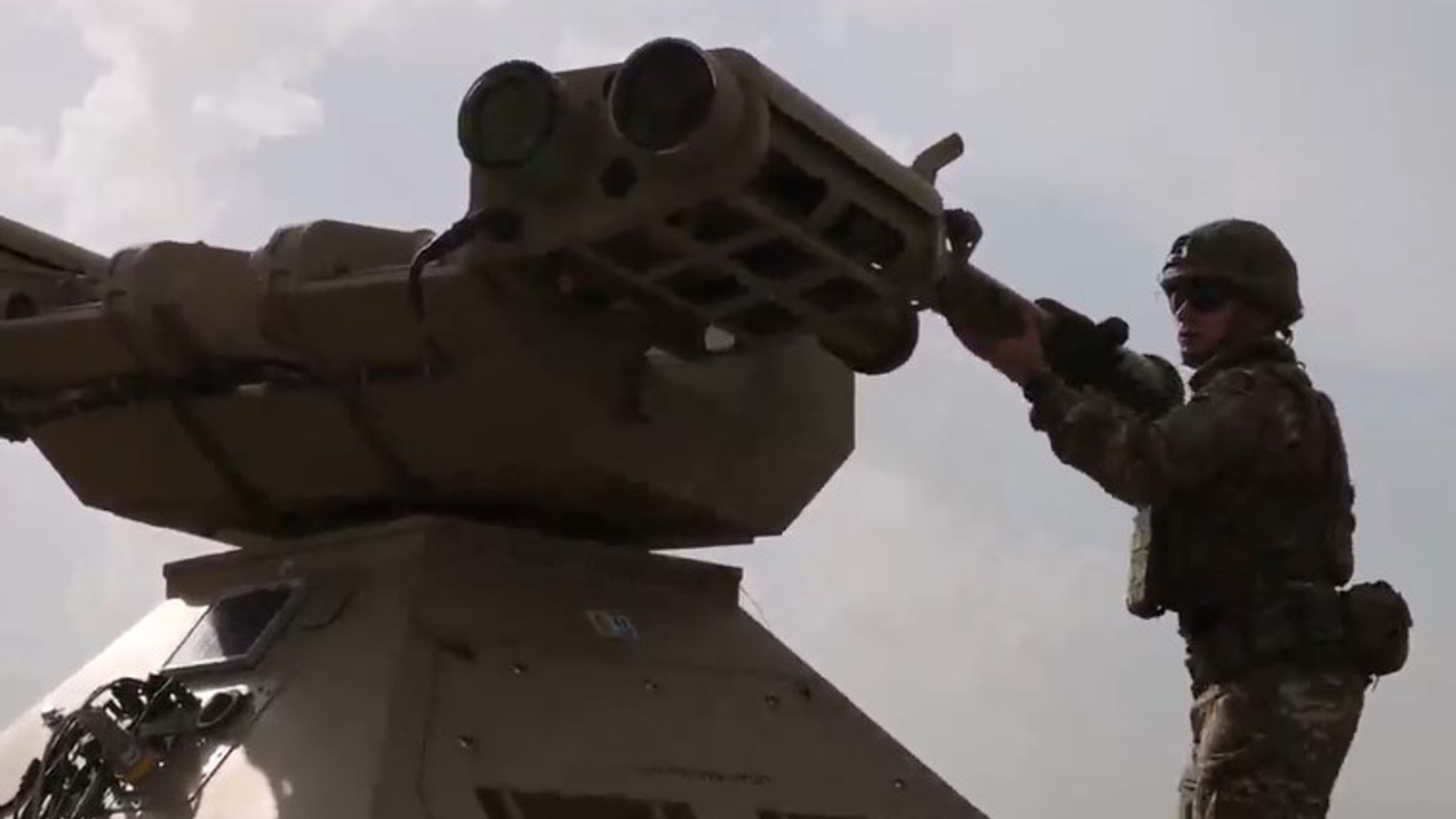
What Happened at the Coalition Base?
The sprawling coalition base, housing both British and American troops, became a frequent target as Iranian forces and their proxy militias in Iraq retaliated against US and Israeli strikes on Iranian interests. Around late February through early April, the base withstood daily assaults from an average of 28 drones and missiles. This marked the most heavily targeted coalition facility in the Middle East during that period.
Personnel at the base operated advanced counter-drone missile systems, notably the Rapid Sentry, which uses laser-guided munitions to neutralize threats mid-air. RAF Regiment air specialists controlled these systems like sophisticated video games, guiding missiles to intercept inbound drones with precision and speed.

Despite the intense attacks, no direct hits occurred in the last three weeks leading up to a temporary ceasefire brokered between Washington and Tehran in early April. However, troops remain on high alert, prepared for any resurgence of hostilities.
RAF Regiment: The New Drone ‘Aces’
Two RAF Regiment air specialists, both in their early 20s, shared insights about their roles operating the Rapid Sentry system. They described the skill set as akin to playing video games, where quick reflexes and joystick precision are essential. Both have earned the prestigious “ace” status by successfully shooting down more than five enemy drones—a title historically reserved for fighter pilots but now extended to drone combatants, reflecting the evolving face of modern warfare.
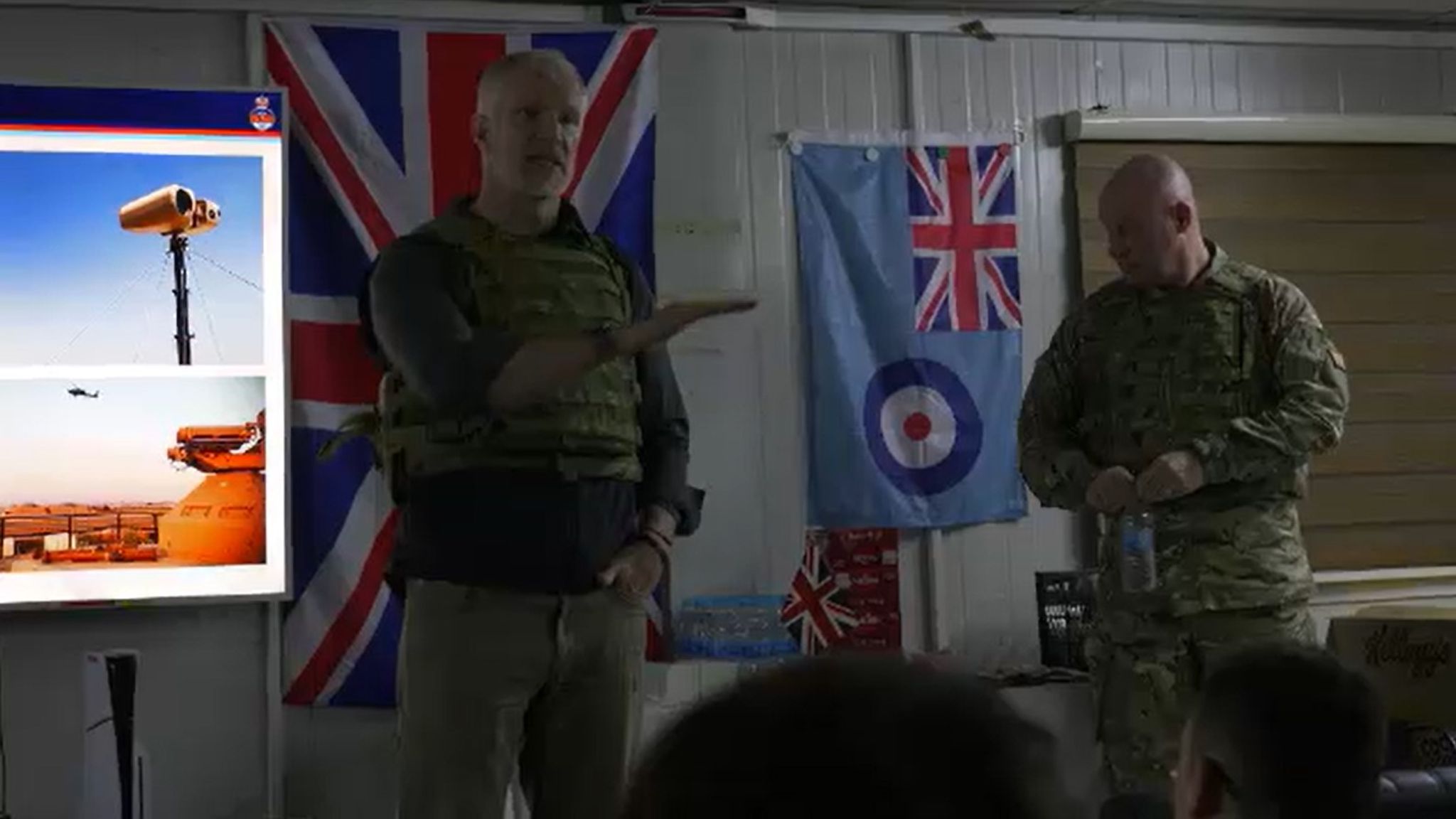
During a recent visit, Armed Forces Minister Alistair Carns praised the RAF Regiment’s efforts as crucial to the base’s survival. “I would argue this place would be a smouldering wreck if it wasn’t for you guys,” he told the troops. Accompanied by Air Chief Marshal Sir Harv Smyth, head of the RAF, Carns highlighted how the conflict underscores the urgent need to enhance the UK’s drone defense capabilities.
Why This Matters: The UK’s Counter-Drone Future
The Iran drone attacks have exposed critical gaps in the UK’s air and missile defense infrastructure. Air Chief Marshal Smyth emphasized the importance of expanding counter-drone systems as part of a broader modernization effort. Though the Ministry of Defence’s investment plans remain under wraps, discussions are underway to scale up the UK’s integrated air and missile defense capabilities.
“It all starts with your appetite for what you need to defend,” Smyth explained. He compared potential UK defenses to Israel’s renowned Iron Dome system, which offers a high level of protection against missile and drone threats. However, replicating such a shield across the entire UK would require enormous resources. Instead, the focus is likely on securing key cities and critical national infrastructure.

Air Chief Marshal Smyth acknowledged that while details of the expansion remain confidential, the RAF fully understands the scope of the task. This evolving threat landscape demands rapid adaptation and investment in technologies capable of countering increasingly sophisticated unmanned systems.
What Comes Next: Adapting to New Warfare Realities
The conflict in Iraq and the experience of the RAF Regiment at the coalition base represent a microcosm of global military shifts. Uncrewed aerial systems have transformed combat dynamics, requiring armed forces worldwide to develop innovative defensive tactics and technologies.
Armed Forces Minister Carns pointed to Russia’s war in Ukraine as an early warning of the growing role of drones in warfare. The Iranian drone attacks served as a stark “wake-up call,” reinforcing the UK’s position at the forefront of counter-drone operations.
Coalition forces have maintained a presence at the Iraqi base for over a decade, initially focused on combating ISIS. Now their mission extends to defending against drone and missile threats in an increasingly volatile region, underlining the strategic importance of such facilities for regional stability and UK defense interests.
As tensions simmer, the RAF Regiment’s expertise and the UK’s commitment to enhancing counter-drone defenses will play a pivotal role in safeguarding military personnel and critical assets. The battle against unmanned threats is not just a regional concern but a glimpse into the future of global warfare.
Takeaway: The recent drone battles over a coalition base in Iraq highlight the urgent need for advanced counter-drone systems and integrated air defense. The RAF Regiment’s success in intercepting Iranian-linked drones underscores the evolving nature of modern combat and the UK’s determination to adapt. With ongoing investments and strategic planning, the UK aims to protect its skies and national security against emerging unmanned threats.