

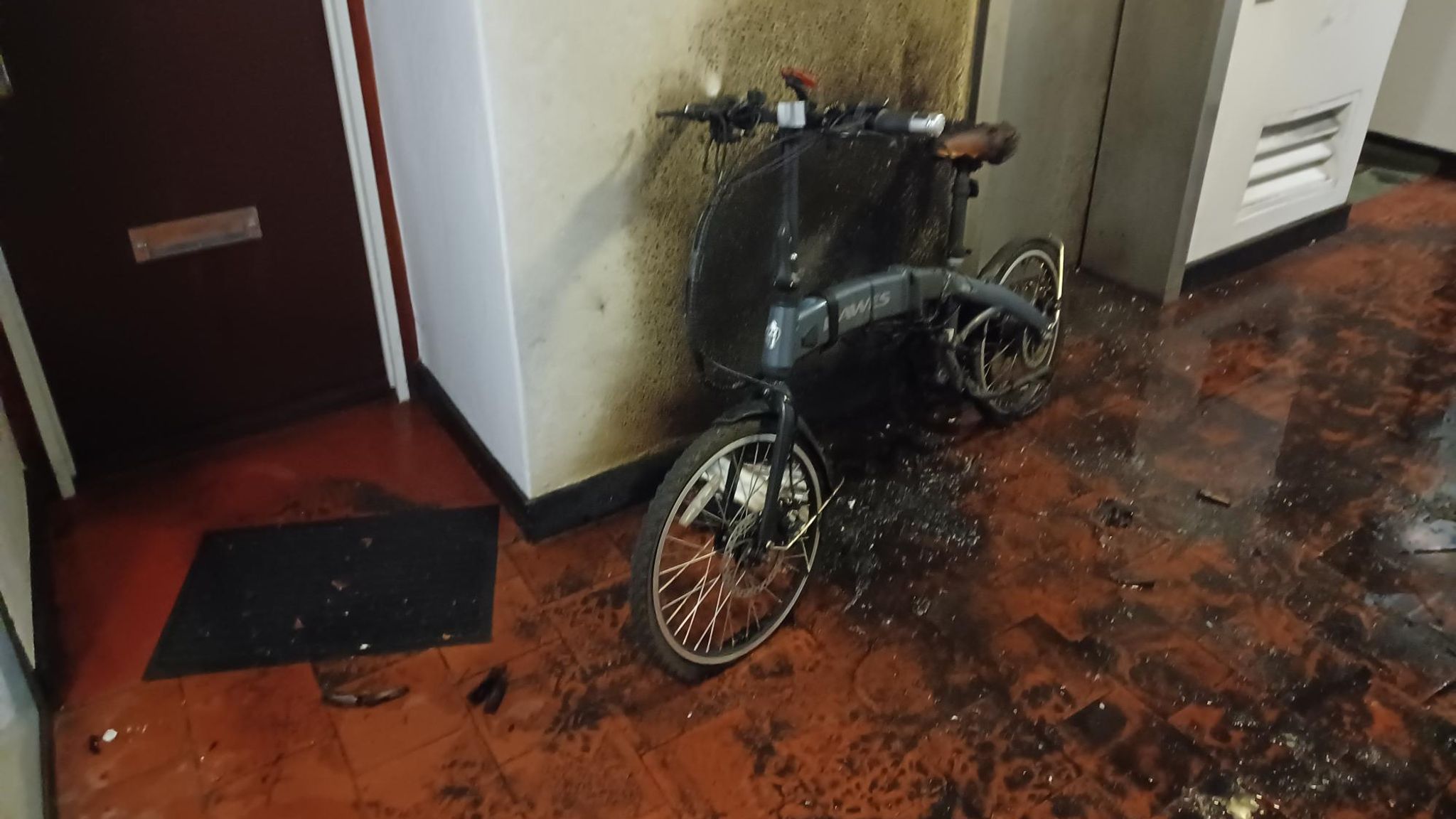
The number of fires involving electric bikes and scooters exploded to unprecedented levels last year, signaling a growing safety crisis across the UK. A staggering 432 e-bike fires were reported in 2025 alone—a sharp 38% increase from the previous year. E-scooter fires also surged, with 147 incidents recorded, marking a 20% rise compared to 2024. This alarming uptick has sparked urgent calls for stronger regulation and consumer awareness surrounding these popular, yet potentially hazardous, modes of transport.

Understanding the Causes Behind the Fire Spike
Experts identify battery failures as the primary culprit fueling the dramatic rise in e-bike and e-scooter fires. These incidents often stem from malfunctioning lithium-ion batteries, faulty conversion kits, and substandard chargers. Notably, products purchased from online marketplaces carry a heightened risk of defects because they frequently bypass the rigorous safety standards imposed on established retailers.
Nick Bailey from BatteryIQ highlights the issue succinctly: “The e-scooters and e-bikes involved in fires are always cut-price products manufactured with lax quality control.” He further reveals a disturbing trend—an expanding black market for DIY and counterfeit batteries. These illicit batteries, especially popular among delivery riders, sometimes incorporate reclaimed cells from disposable vape devices, drastically increasing the fire hazard.
“I wouldn’t keep a battery in my home without continuous monitoring—regardless of what the manufacturer’s sticker says,” Bailey warns, emphasizing the unpredictable nature of these power sources.

Regional Hotspots and the Scale of the Problem
The scale of the problem becomes clearer through data obtained via Freedom of Information requests sent to all 49 UK fire brigades. The London Fire Brigade recorded the highest number of e-bike and e-scooter fires, far outpacing other regions. Outside London, Greater Manchester and Nottinghamshire have emerged as significant hotspots, indicating that the issue transcends the capital and affects urban centers nationwide.
Fires involving lithium batteries present particular dangers—they spread rapidly and emit toxic vapors, posing severe risks to both people and property. The charity Electrical Safety First has described the surge as a “runaway train that needs to be stopped,” warning that poorly manufactured batteries and accessories are increasingly infiltrating homes.
Lesley Rudd, the charity’s chief executive, delivers a stark caution: “Without strong and enforceable changes, lives are at serious risk and further loss of life is, sadly, inevitable.” The London Fire Brigade’s deputy commissioner, Spencer Sutcliff, echoed these concerns, expressing that he is “extremely concerned” about the volume and severity of cases in the capital.
Current Measures and What Lies Ahead
In response to the growing fire risk, e-bikes and e-scooters have been banned from the London Underground, reflecting the seriousness with which authorities are treating the threat. Despite nationwide legal restrictions on private e-scooter use in public spaces, these vehicles continue to be ridden illegally in many cities, complicating enforcement efforts and increasing potential hazards.
Consumer watchdog Which? has flagged the proliferation of unsafe e-mobility products saturating online marketplaces. These cut-rate offerings not only endanger users but also undermine responsible businesses that adhere to safety regulations.
To combat this, the UK government recently launched a consultation aimed at tightening product safety standards. Proposed measures would legally oblige online marketplaces to actively prevent, identify, and remove dangerous products from their platforms. This initiative represents a critical step toward safeguarding consumers and curbing the influx of hazardous e-bike and e-scooter batteries.

Why This Matters: The Road Ahead for E-Mobility Safety
The surge in e-bike and e-scooter fires underscores a growing tension between the popularity of electric personal transport and the pressing need for robust safety frameworks. As these devices become integral to urban mobility, particularly for delivery services and commuters, ensuring their safe operation is paramount.
Unchecked, the combination of cheap, unregulated products and widespread user adoption could lead to more frequent and devastating fire incidents. This threatens public safety, strains emergency services, and erodes consumer confidence in electric mobility solutions.
Stronger regulation, public education on battery care, and vigilant monitoring of online sales channels are crucial to halting this dangerous trend. Stakeholders—including manufacturers, retailers, regulators, and consumers—must collaborate to build a safer e-mobility ecosystem before further tragedies occur.
Full details on government responses and regulatory timelines have not yet been released, but the current trajectory clearly demands immediate attention.