

Chancellor Rachel Reeves is set to revolutionize regional governance by granting local mayors unprecedented control over tax revenues, aiming to drive economic growth and address regional disparities across the UK. This bold move, announced ahead of the autumn Budget, promises to shift some financial decision-making power from central government directly into the hands of regional leaders, without raising taxes.
What the New Tax Devolution Plan Entails
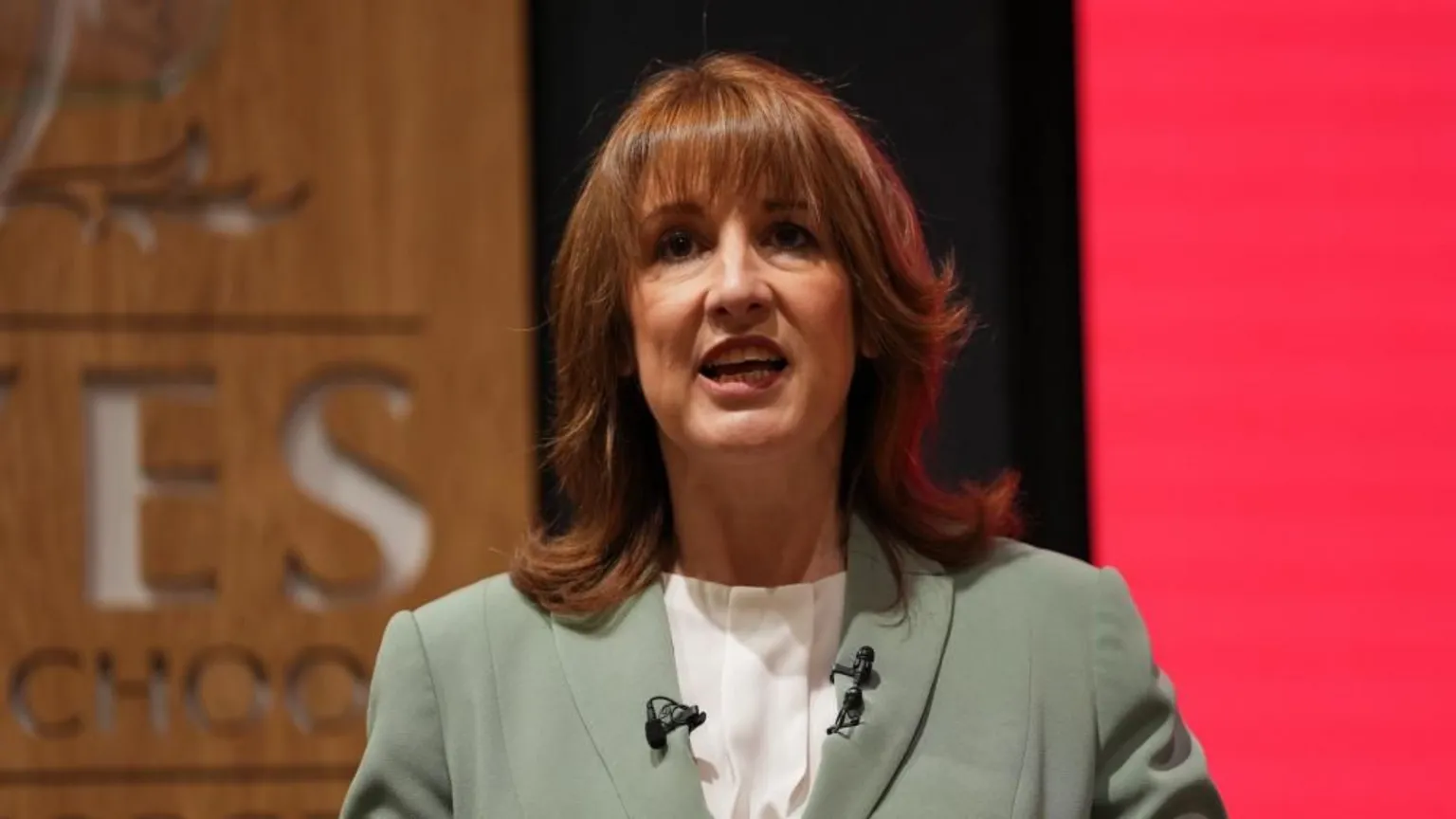
In a landmark speech delivered at the Bayes Business School in London, Chancellor Reeves outlined a strategic vision to empower regional mayors by allowing them to manage a portion of national tax revenues. The Treasury is actively working on a comprehensive roadmap to facilitate this transfer of fiscal authority, focusing initially on areas with the greatest capacity to utilize these funds effectively and generate tangible economic benefits.
Specifically, officials are exploring how income tax and other national taxes can be shared with local leaders. This approach marks a significant shift from the traditional model where central government solely allocates tax revenues. By involving regional mayors and business stakeholders in designing the plan, the government aims to ensure that tax control aligns with local needs and growth potential.
Reeves emphasized that this initiative will not increase the overall tax burden but will instead provide localities with the flexibility to invest in priorities such as infrastructure, innovation, and skills development tailored to their unique economic landscapes.
Boosting Technology and Innovation: AI and Quantum Computing Investments
Alongside tax reforms, the Chancellor unveiled a £2.5 billion investment strategy targeting cutting-edge technologies like artificial intelligence (AI) and quantum computing. These investments are designed to halt the ongoing exodus of British tech firms and scientists to overseas markets, particularly the United States.
Quantum computing, which harnesses principles of quantum mechanics to process vast amounts of data at unprecedented speeds, is viewed as a transformative technology that could redefine global industries and fuel economic growth. Reeves projected that this sector alone could create up to 100,000 new jobs in the UK, positioning the country as a leader in technological innovation.
In her speech, Reeves pledged that the UK would achieve the fastest AI adoption rate among the G7 nations. This commitment underscores the government’s intention to foster an environment where new technologies can thrive, spawning innovative companies and unforeseen employment opportunities.
Challenges Ahead: Geopolitical and Economic Pressures
Despite these ambitious plans, external factors threaten to complicate the UK’s economic trajectory. The ongoing conflict between the US, Israel, and Iran has triggered a surge in global oil prices, raising concerns about inflation and potential economic slowdown.
Reeves acknowledged these challenges in her BBC interview, indicating that decisions on critical North Sea oil projects like Rosebank and Jackdaw would be made shortly. While she stopped short of advocating for expedited drilling, she stressed that energy security remains a collective responsibility, especially amid geopolitical tensions that have disrupted key supply routes such as the Strait of Hormuz.
Furthermore, Reeves highlighted the importance of reintegrating the UK into European energy markets post-Brexit to stabilize prices. This move reflects a pragmatic approach to balancing sovereignty with economic necessity.
EU Alignment and Political Reactions
In a notable pivot, Reeves suggested the UK should align with European Union regulations in sectors where it benefits national interests, business growth, and job creation. While she maintained that divergence from EU rules should remain the exception, this stance signals potential negotiations on harmonizing standards in areas like chemicals and manufacturing, beyond the already planned easing of food and farm regulations.
This approach has sparked criticism from Conservative figures, including Shadow Chancellor Sir Mel Stride, who accused Reeves of attempting to “drag the UK closer to the EU” and deflecting blame for economic difficulties onto Brexit rather than government mismanagement.

What This Means for the UK’s Economic Future
Chancellor Reeves’ tax devolution plans represent a significant step toward decentralizing fiscal power and fostering regional economic autonomy. By enabling local leaders to tailor spending to their community’s needs, these reforms have the potential to invigorate lagging regions and reduce economic disparities.
Coupled with substantial investments in AI and quantum computing, the UK aims to position itself at the forefront of global technological advancement. However, geopolitical tensions and energy security concerns present immediate hurdles that could impact the effectiveness of these initiatives.
Ultimately, Reeves’ strategy reflects a nuanced balancing act: embracing selective EU alignment to facilitate trade and standards while promoting innovation and regional empowerment to drive sustainable growth. As the autumn Budget approaches, the details of these plans will be critical to watch for anyone invested in the UK’s economic resilience and future prosperity.