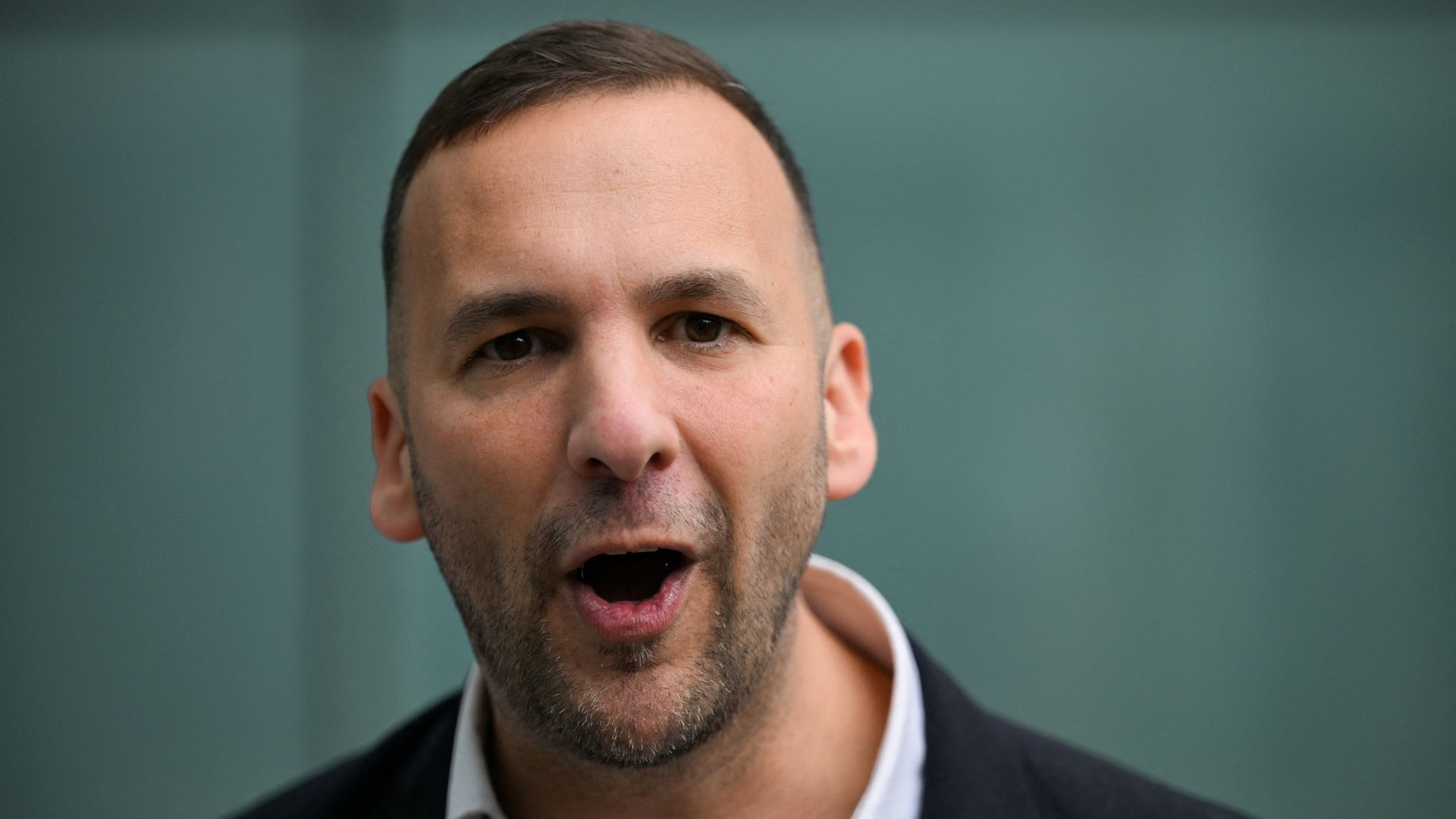
Zack Polanski, leader of Britain’s Green Party, has come under scrutiny after Reform UK reported him to the police for a controversial social media post. This incident highlights the growing tensions between political parties surrounding online conduct and public discourse.
What Happened: The Social Media Post That Sparked Controversy
Zack Polanski, who recently gained prominence as the head of the Green Party, shared a message on social media that Reform UK deemed inappropriate or possibly unlawful. While the exact content of the post has not been publicly disclosed, the complaint suggests that Reform UK believes it crossed legal boundaries, prompting them to alert law enforcement authorities.
The Green Party, known for its environmental and progressive platform, often engages actively on social media to promote its policies and respond to political opponents. Polanski himself has been a vocal figure, leveraging online platforms to reach supporters and challenge rival parties.
Reform UK, a political party that positions itself as an alternative to traditional Westminster politics, has been increasingly assertive in confronting its opponents. Their decision to escalate the matter to the police indicates a heightened sensitivity to social media interactions and a strategic approach to holding adversaries accountable.
Why This Matters: The Impact on Political Discourse and Social Media Regulation
This incident underscores the complex relationship between political expression and legal boundaries in the digital age. Social media posts by public figures like Polanski can influence public opinion and political narratives, but they also face scrutiny for content that may violate laws related to hate speech, harassment, or misinformation.
The complaint by Reform UK raises critical questions about freedom of speech versus responsible communication. It also highlights how political parties are navigating the blurred lines between robust debate and potential legal infractions online. This case could set a precedent for how social media conduct by politicians is regulated and policed in the UK moving forward.
Moreover, the complaint reflects broader concerns about the role of social media platforms in moderating content and the increasing involvement of law enforcement in digital disputes. As political conversations continue to shift online, the boundaries of acceptable speech are being tested and redefined.
What Comes Next: Potential Outcomes and Broader Implications
Police will now investigate the complaint filed by Reform UK against Zack Polanski. Depending on their findings, this could lead to formal charges or a decision to take no further action. The situation remains fluid, and both parties are likely preparing their responses as the investigation unfolds.
For the Green Party, this episode presents a challenge in balancing vigorous political advocacy with adherence to legal standards. For Reform UK, it is an opportunity to assert their stance on accountability and the limits of political rhetoric.
Beyond the immediate parties involved, this case serves as a warning to politicians about the risks inherent in their online communication. It also calls attention to the need for clear guidelines and robust policies governing political speech on social media platforms.
Takeaway: Navigating Political Expression in the Digital Era
The report against Zack Polanski by Reform UK signals a pivotal moment in how political conflicts unfold in the age of social media. As politicians increasingly rely on digital channels to engage with the public, the pressure to maintain respectful, lawful discourse intensifies.
This situation illustrates the fine line public figures must walk between exercising free speech and respecting legal boundaries. It also highlights the evolving role of law enforcement in mediating disputes born from online interactions.
Ultimately, this case may influence future standards for political communication and social media use in the UK, emphasizing accountability while protecting democratic expression.